Photo:AP
A Rural Community Shaken by Explosion
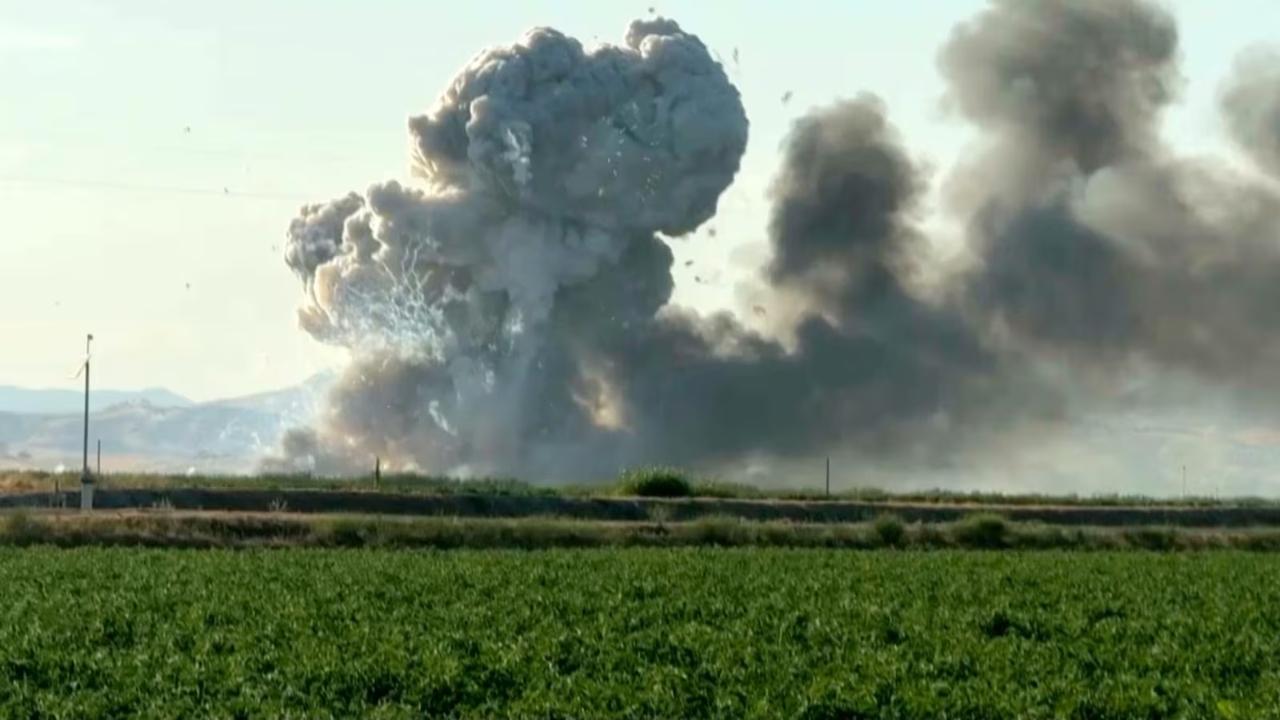
On the evening of July 1, 2025, a massive explosion ripped through a fireworks warehouse operated by Devastating Pyrotechnics near Esparto, in Northern California’s Yolo County. The blast—a thunderous roar felt miles away—obliterated the facility and ignited intense fires across nearly 80 acres of farmland. Initial reports indicated that seven people were missing, and two others had sustained injuries. As the smoke cleared and first responders sifted through expansive wreckage, the grim truth emerged: all seven missing individuals had perished in the disaster.
Sequence of Events That February Night
Local residents were jolted from routine evening quiet around 5:50 PM PDT by a deafening explosion that shook homes, shattered windows, and sent clouds of smoke towering above the rural landscape. Fireworks scattered in all directions, triggering secondary sparks that ignited brush fires. Within minutes, firefighting units from nearby districts arrived and raced to contain the blaze. Emergency protocols triggered a one-mile evacuation radius, urging families to seek safety.
Authorities later described the warehouse as “completely destroyed,” with the blast resulting in multiple spot fires and adjacent structural damage. Two individuals—workers fortunate to be away from the blast zone—were treated for burns and trauma, but the fate of seven others remained uncertain as flames consumed the scene.
The Search for Seven Missing Workers
In the days following the disaster, search teams—comprised of firefighters, Cal Fire bomb experts, coroners, and local authorities—methodically surveyed the remains. As armored crews worked to mitigate hazard risks, they discovered human remains in the charred debris. On July 4, officials confirmed that all seven bodies had been located. Among them were families and siblings: identified through GoFundMe campaigns and condolence statements, the victims included warehouse staff and a trio of young brothers working their first day on the job. One father, Joel “Jr” Melendez, perished just hours after celebrating impending fatherhood himself.
Families in Grief and Demand for Answers
The explosion devastated families waiting anxiously for news. Among them was the wife of one of the victims, who expressed ongoing heartbreak and fear. Families, denied access to the unstable scene, gathered at a nearby command center seeking clarity. One father held a sign demanding answers about his sons’ fate. County officials later offered support—hotel vouchers, food, and counseling—hoping to ease some of the trauma while investigations continued.
Investigating the Cause: Human Error and Hazardous Conditions
Cal Fire’s Office of the State Fire Marshal, supported by federal ATF agents, began a forensic probe into possible causes. While fireworks factories seldom experience such catastrophic failures, experts note that most are caused by human oversight. In this situation, investigators probed whether electrical sparks, improper use of ignition devices, or unsafe handling of display-grade fireworks triggered the chain reaction.
Meanwhile, questions were raised about the warehouse’s design and zoning. The building allegedly lacked specialized blast-resistant structures, grounding rods, and static discharge systems—safety features considered essential for sites handling volatile firework materials.
Licensing Issues and Safety Oversights
Public records revealed that Devastating Pyrotechnics operated under a state license but had recently been denied a federal ATF permit for handling explosives. Instead, federal licensing was held by an employee—Gary Chan Jr.—while the company’s CEO, Kenneth Chee, remained barred due to past convictions. This arrangement invited scrutiny over who maintained operational control, and whether safety regulations were fully enforced.
Additionally, the facility’s agricultural zoning may have allowed storage containers separate from the main building—but not adequate precautions inside. The proximity of storage and assembly areas raised concerns about regulatory compliance and site safety protocol.
Echoes of Past Fireworks Disasters
This catastrophe isn't without precedent. U.S. history recounts devastating blasts in Benton, Tennessee (1983) and San Francisco (1986), each exposing the deadly potential of fireworks when human error or unsafe industrial practices prevail. Globally, tragedies in India, Mexico, and Europe reflect a pattern of regulatory lapses and manufacturing shortcuts. Each event emphasizes the dire need for strict oversight and safe infrastructure—especially near populated or agriculturally sensitive areas.
Impacts on Community, Agriculture, and Upcoming Firework Events
The explosion triggered a wildfire that consumed nearly 80 acres, threatening nearby homes and farmland. Agricultural communities—some already burdened by prior drought—face renewed vulnerability. Meanwhile, communities slated to host firework shows over the July 4th weekend canceled events after losing display materials and out of respect for victims. The loss had both emotional and economic implications for local towns and businesses.
Devastating Pyrotechnics Issues Statement
In a brief public statement, Devastating Pyrotechnics expressed heartfelt condolences, pledged cooperation with investigations, and credited first responders for their swift action. The company’s website was taken down following the incident. Their cooperation, while essential, also highlights a broader issue: aftershocks from industrial disasters often involve reputational damage and financial instability.
Recovering Lives and Legacy
As human remains are identified and returned, families begin the grieving process. Memorials and vigils are being planned in surviving workers’ hometowns. Counseling services will support siblings, spouses, and children left behind. Locally, community organizations are rallying fundraisers to provide funeral assistance and psychological support, aiming to help families rebuild after sudden loss.
Regulatory Reform: A Push for Safety Overhaul
This disaster sparked urgent calls for reform. Safety advocates and policy experts argue for strengthened regulations, including:
-
Strict licensing with full federal oversight
-
Rigorous inspections of infrastructure and hazard controls
-
Mandatory usage of blast-resistant, non-combustible buildings
-
Prohibition of making or storing large quantities of display fireworks in rural or agricultural zones
-
Oversight of all operators on site, ensuring accountability
-
Mandatory safety training and incident reporting requirements
Such reforms aim to prevent another tragedy and restore confidence in industrial fireworks enterprises.
Looking Forward: Lessons Learned and Vigilance Required
The Esparto explosion and loss of seven lives serve as a grave reminder: hazardous materials demand more than minimal regulation. They require proactive safety cultures, transparent oversight, and unyielding commitment to worker and public protection.
This event may well mark a turning point in how California—and the nation—approach industrial fireworks. The pressure for legislative reviews, stricter licensing, and enforcement of risk management protocols is mounting. These steps aren’t just bureaucratic; they influence whether factories become sources of celebration—and not fatal destruction.
Local Resilience and the Road to Healing
While grief remains raw, the affected community has shown resilience. Residents that once sheltered in place now gather in solidarity. Neighbors have provided meals to investigators, and local leaders hold town hall meetings to address concerns. Agricultural partners have offered land and equipment for memorial blooms and safety demonstration zones.
This collective effort demonstrates that while tragedies strike unexpectedly, communal response defines recovery.
Global Context: Industrial Safety in the Spotlight
Esparto’s tragedy unfolds amid global scrutiny on industrial safety. In the wake of deadly refinery explosions, chemical plant fires, and warehouse disasters, regulatory systems across countries are being reevaluated. The Esparto case reinforces a simple truth: profit should never trump human life—and protective barriers cannot fail.
Honoring the Deceased: The Human Cost Behind the Counting
Industrial tragedies often focus on numbers. Here, the count is seven confirmed dead—each with a face, a family, a story. Among them, young siblings on their first job, a soon-to-be father, colleagues who arrived full of hope. Their loss ripples through communities and across state borders.
As recovery continues, remembering runners, dreaming employees, and loving sons matters. Their names will adorn memorials, their presence in life honored beyond tragedy.
From Ashes, an Urgent Call to Action
The fireworks warehouse explosion is a profound reminder that moments of celebration must never turn to sorrow. As investigations continue and victims are mourned, the call for accountability, reform, and resilience grows louder.
California’s upcoming legislative sessions offer an opportunity to cement stronger safety standards. In industry, leaders must prioritize human life over speed; regulators must demand proof-of-practice, not just paper licenses.
For now, this rural community stands in solidarity, determined that these seven souls did not die in vain—and hopeful that action, learning, and unity will keep future tragedies at bay.