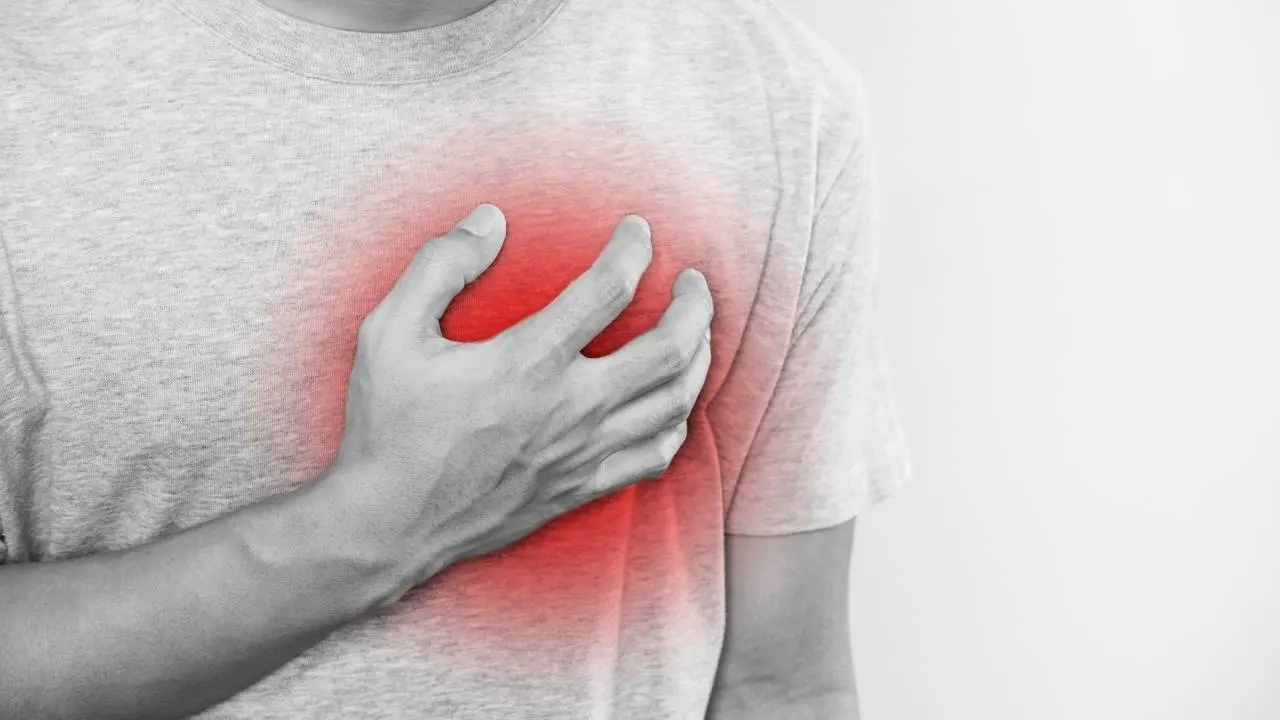
Winter Safety Tips for Heart Patients: Essential Precautions to Take
Winter can be enchanting, but for those with heart conditions, it can also introduce challenges. The cold weather often impacts the body, putting additional stress on the heart. Doctors frequently encounter increased instances of elevated blood pressure, chest pain, and even heart attacks during the winter months, particularly among older adults and those with pre-existing heart issues.
As temperatures drop, blood vessels constrict, making circulation more difficult. Consequently, the heart must work harder to ensure blood flow. Coupled with a more sedentary lifestyle, heavier meals, and a higher likelihood of seasonal sicknesses like colds and flu, these factors collectively heighten health risks. Fortunately, heart patients can mitigate these dangers by adhering to simple daily precautions throughout the chilly season.
This article outlines key measures that heart patients should embrace during winter.
The Dangers of Winter for Heart Patients
Cold conditions can severely impact heart health and circulation. To conserve heat, the body naturally constricts blood vessels, leading to increased blood pressure and extra stress on the heart.
Common winter-related risks include:
-
Sudden spikes in blood pressure
-
Increased heart strain
-
Breathing challenges from cold air
-
Greater vulnerability to colds, flu, and respiratory infections
-
Less physical activity coupled with unhealthy dietary choices
Given these factors, it's crucial for heart patients to exercise caution during the winter months.
1. Keep Warm
Staying warm is paramount for heart patients during winter. Exposure to cold can rapidly elevate blood pressure and strain the heart.
Tips for warmth include:
-
Dress in layers to retain heat
-
Insulate your head, neck, hands, and feet
-
Wear gloves, socks, and scarves out of doors
-
Limit exposure to cold winds
Maintaining heat helps regulate blood pressure and lessen strain on the heart.
2. Limit Early Morning Outings
Mornings can be particularly frigid. Sudden exposure to cold air can prove hazardous for heart patients.
Recommendations include:
-
Avoid morning walks before the sun is up
-
Exercise indoors or opt for later in the day
-
Step outside only when temperatures rise
This can minimize risks of chest discomfort and respiratory issues.
3. Stay Active with Caution
Some heart patients forego exercise in winter, but a lack of movement can be detrimental.
Low-risk activities include:
-
Gentle indoor walking
-
Basic stretching exercises
-
Simple yoga or breathing techniques
-
Cautious stair walking indoors
Steer clear of high-intensity workouts or abrupt movements. Mild activity promotes circulation and supports heart function.
4. Choose Heart-Healthy Meals
During winter, there's a tendency to indulge in greasy foods. Heart patients should make healthier choices.
Beneficial food options include:
-
Warm, home-style dishes
-
Fiber-rich fruits and vegetables
-
Whole grains such as oats and brown rice
-
Moderate amounts of healthy fats
Foods to minimize:
Warm meals aid digestion and help maintain body temperature.
5. Stay Hydrated
In colder months, many forget to drink enough water due to a lack of thirst. This can thicken blood and increase cardiac risk.
Water is vital because:
-
It facilitates smooth blood circulation
-
It aids in maintaining healthy blood pressure
-
It guards against dehydration
Tip: Prefer lukewarm water and steer clear of ice-cold beverages.
6. Shield Against Colds and Flu
Infections in winter can exert extra stress on the heart.
Recommended precautions include:
-
Frequent hand washing
-
Avoiding crowded venues whenever possible
-
Considering flu vaccinations as advised by healthcare providers
-
Consulting a physician if fever or cough persists
Even minor infections can escalate if unaddressed, particularly for heart patients.
7. Consistency with Medication
Some individuals may become lax with their medications during winter, which can lead to adverse outcomes.
Key points to adhere to:
-
Follow prescribed medication schedules rigorously
-
Avoid altering dosages independently
-
Store medications correctly
-
Keep emergency medications accessible
Missing doses can precipitate sudden heart complications.
8. Manage Stress and Sleep Well
Shorter days and chilly temperatures can impact mood and sleeping patterns. Stress and inadequate sleep can adversely affect heart health.
Beneficial habits include:
-
Aim for 7–8 hours of sleep nightly
-
Engage in deep breathing or relaxation techniques
-
Steer clear of stress and overthinking
-
Stay connected with loved ones
A calm mind contributes to heart health.
9. Regularly Monitor Blood Pressure and Sugar Levels
Winter's effects can lead to fluctuations in both blood pressure and sugar levels.
Suggested actions include:
-
Regularly monitor blood pressure
-
Track sugar levels for diabetics
-
Document findings and discuss with your doctor
Frequent assessments can avert severe complications.
10. Reduce Smoking and Alcohol Intake
Both smoking and alcohol consumption can pose heightened risks during winter.
Reasons for avoidance:
-
Smoking constricts blood vessels
-
Alcohol disrupts temperature regulation
-
Both elevate heart-related dangers
Heart patients should eliminate smoking completely and follow medical advice regarding alcohol consumption.
Signs to Seek Medical Attention
Seek immediate medical assistance if you experience:
-
Chest pain or pressure
-
Difficulty breathing
-
Dizziness or faintness
-
Extreme fatigue
-
Irregular heartbeats
Don't postpone medical treatment during the winter months.
While winter can be challenging for heart patients, it doesn't have to be perilous. By implementing simple strategies such as staying warm, choosing nutritious foods, engaging in gentle physical activity, managing stress, and adhering to medicinal routines, one can safeguard their heart health.
Stay attuned to your body's signals and heed your doctor's guidance. With vigilant care and mindful practices, heart patients can enjoy a safe and healthy winter season.
Disclaimer
This information is intended for general awareness purposes only and should not be taken as a substitute for professional medical advice, diagnosis, or treatment. Individual heart health and needs can vary dramatically. Readers are encouraged to consult a qualified healthcare provider before altering any aspect of their lifestyle, including diet, exercise, or medication, particularly those with existing heart issues or health concerns.