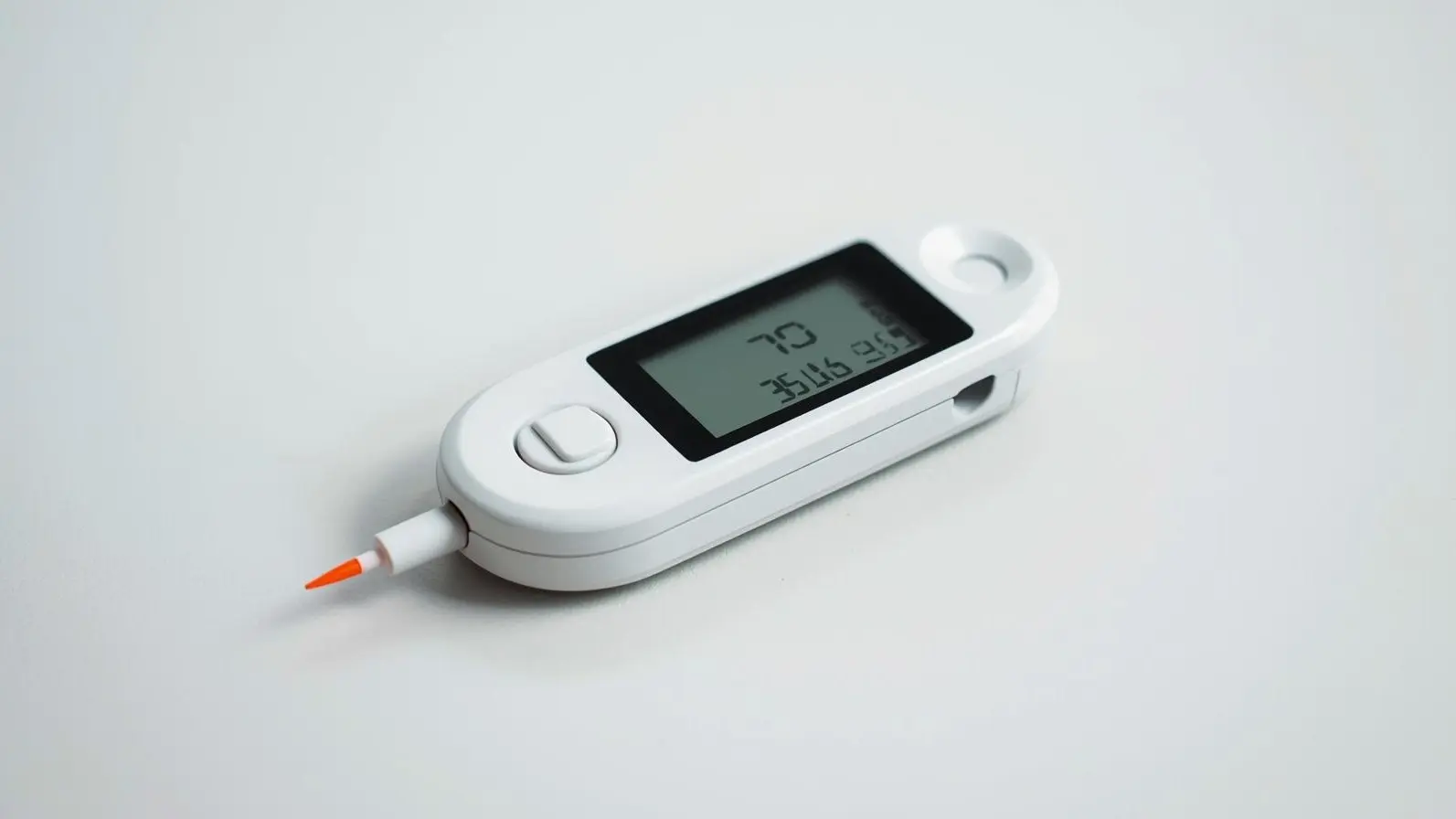
Understanding Blood Sugar Levels by Age: Fasting and Post-Meal Insights
Blood sugar levels are a crucial indicator of how effectively your body metabolizes glucose, which powers energy, brain function, and overall well-being. These normal ranges can differ by age and testing conditions, such as fasting or after meals. Gaining insight into these values aids in the early detection of prediabetes and diabetes while supporting healthier long-term lifestyle choices.
Significance of Blood Sugar Measurements
Blood sugar, or blood glucose, represents the glucose amount circulating in your bloodstream. Levels fluctuate throughout the day influenced by dietary intake, physical activity, stress, hormonal changes, and sleep. Testing typically occurs either in a fasting state or two hours following a meal to evaluate how effectively insulin manages glucose.
Comparing Fasting and Post-Meal Blood Sugar Results
Fasting blood sugar is assessed after a minimum of 8 hours without food, indicating baseline glucose control. Meanwhile, post-meal blood sugar, evaluated two hours post-consumption, provides insights into the body's reaction to food. Together, these metrics offer a comprehensive understanding of metabolic performance.
Normal Blood Sugar Levels by Age Chart
The following values pertain to generally healthy individuals without diabetes:
Age group: Children (under 18)
Fasting blood sugar: 70–100 mg/dL
2-hour post-meal blood sugar: below 140 mg/dL
Age group: Adults (18–59)
Fasting blood sugar: 70–99 mg/dL
2-hour post-meal blood sugar: below 140 mg/dL
Age group: Older adults (60+)
Fasting blood sugar: 80–100 mg/dL
2-hour post-meal blood sugar: below 140–150 mg/dL
Higher post-meal levels may be acceptable for older adults due to lesser insulin sensitivity, but consistent elevations warrant medical evaluation.
Prediabetes Blood Sugar Levels
Prediabetes is identified when blood sugar levels are above the normal range but not high enough for a diabetes diagnosis. This stage is a critical warning sign.
Fasting blood sugar: 100–125 mg/dL
2-hour post-meal blood sugar: 140–199 mg/dL
At this point, lifestyle modifications can often reverse the trend.
Diabetes Blood Sugar Levels
Diabetes is diagnosed when blood sugar levels consistently remain elevated.
Fasting blood sugar: 126 mg/dL or greater
2-hour post-meal blood sugar: 200 mg/dL or greater
Such diagnoses should be confirmed by a healthcare provider, often requiring repeat testing or additional assessments.
Age-Related Blood Sugar Variability
As people age, muscle mass can diminish, and insulin sensitivity may wane, complicating glucose control. Factors like hormonal fluctuations, reduced physical activity, medications, and chronic conditions significantly influence blood sugar regulation, particularly after meals.
Signs of Abnormal Blood Sugar Levels
Symptoms of high blood sugar include excessive thirst, frequent urination, fatigue, blurred vision, and slow wound healing. Low blood sugar might manifest as dizziness, sweating, jitters, confusion, and sudden hunger. Minor fluctuations are often unnoticed, underscoring the importance of regular testing.
Optimal Times for Blood Sugar Testing
The best time for checking fasting blood sugar is in the morning, prior to eating. After-meal blood sugar should be measured two hours following the first bite. Consistency in testing schedules enhances accuracy and trend monitoring.
The Impact of Diet and Lifestyle on Readings
Consumption of meals high in refined carbs leads to sharp glucose spikes. Dietary components such as fiber, protein, and healthy fats help moderate glucose absorption. Active lifestyles can boost insulin sensitivity, while stress and poor sleep can elevate blood sugar levels even in the absence of dietary changes.
Testing Recommendations
Adults are advised to test at least once every one to three years, particularly if there is a family history of diabetes, obesity, or a sedentary lifestyle. More frequent testing is recommended for those who exhibit symptoms or fall within the prediabetes range.
Closing Thoughts
Your normal blood sugar levels hinge on timing, age, and individual health circumstances. Monitoring both fasting and post-meal readings together provides essential insights. Tracking trends rather than isolated figures aids in early detection and supports ongoing metabolic wellness.
Disclaimer
The information provided here is for educational purposes only and should not replace professional medical guidance. Blood sugar targets may vary based on individual health factors. Always consult a healthcare provider for accurate diagnosis and treatment.