In Uganda, escalating political tensions erupt as law enforcement refutes accusations regarding the arrest of opposition leader Bobi Wine, coinciding with President Yoweri Museveni's apparent approach to another overwhelming electoral win. The controversy intensifies concerns surrounding democracy, safety, and human rights in the nation following a highly monitored electoral process.
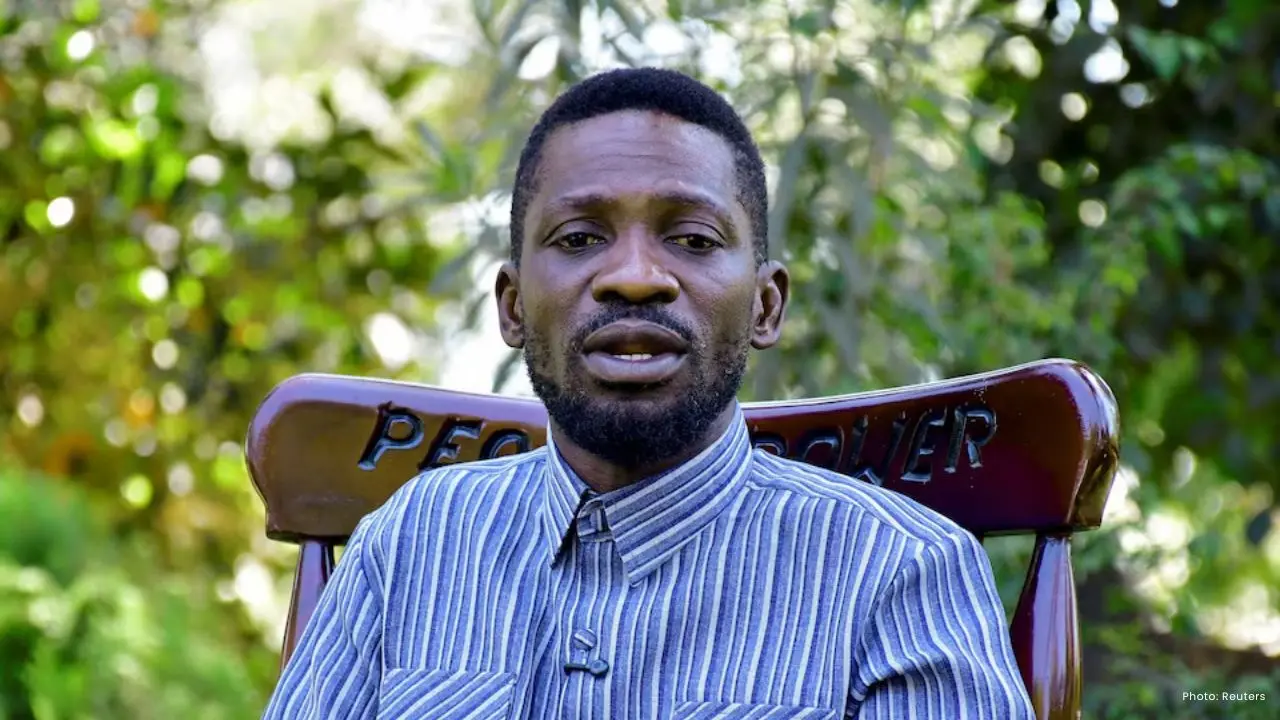
Bobi Wine, known as Robert Kyagulanyi, heads the National Unity Platform party. His party alleged that military personnel landed a chopper at his residence in Kampala, forcibly removing him to an unknown destination late Friday night. These claims rapidly circulated on social media, provoking alarm among his followers and observers.
Nonetheless, Uganda's police firmly rejected these allegations. Police spokesperson Kituuma Rusoke asserted that Bobi Wine remained at his home and was free to go wherever he wished, affirming the opposition leader was not detained. At that moment, Bobi Wine and his party officials were unreachable for comments, leaving the situation ambiguous.
This controversy arises shortly after Uganda conducted general elections amidst an internet outage. Bobi Wine accused the government of significant electoral fraud and urged his supporters to engage in peaceful protests. His party previously stated he had been effectively placed under house arrest, a claim that officials also denied.
President Museveni, who has been in power since 1986, seems poised for a substantial victory. Initial results indicated he secured nearly 72 percent of the vote, with Bobi Wine capturing around 24 percent, as most polling data was tallied. This election is viewed as a critical test of Museveni's authority and his capacity to maintain stability in light of unrest seen in neighbouring nations.
While voting day itself passed without major violence, confrontations arose in the early hours following the closure of polls. Reports from Butambala indicated fatal violence involving security personnel and civilians. Police asserted that opposition supporters attacked law enforcement and vote-counting centers, compelling officers to react defensively. They reported arrests but did not provide immediate confirmation of fatalities.
A local opposition representative presented a starkly different narrative, claiming that security forces invaded his residence where attendees awaited election news and opened fire, leading to numerous casualties. He labeled the episode a massacre and disputed police accounts of clashes outside. Authorities stated they were unaware of any such incident involving fatalities.
This clash of narratives has deepened the mistrust between the ruling government and opposing factions. Human rights organizations and global observers have repeatedly expressed concern over repression, intimidation, and violence associated with election periods in Uganda.
With high tension persisting, many Ugandans worry about a potential increase in unrest. There are growing demands for transparency, independent inquiries, and calls for restraint from all parties. The upcoming days are pivotal in deciding whether Uganda will shift towards a peaceful discourse or deeper political discord following the disputed election.