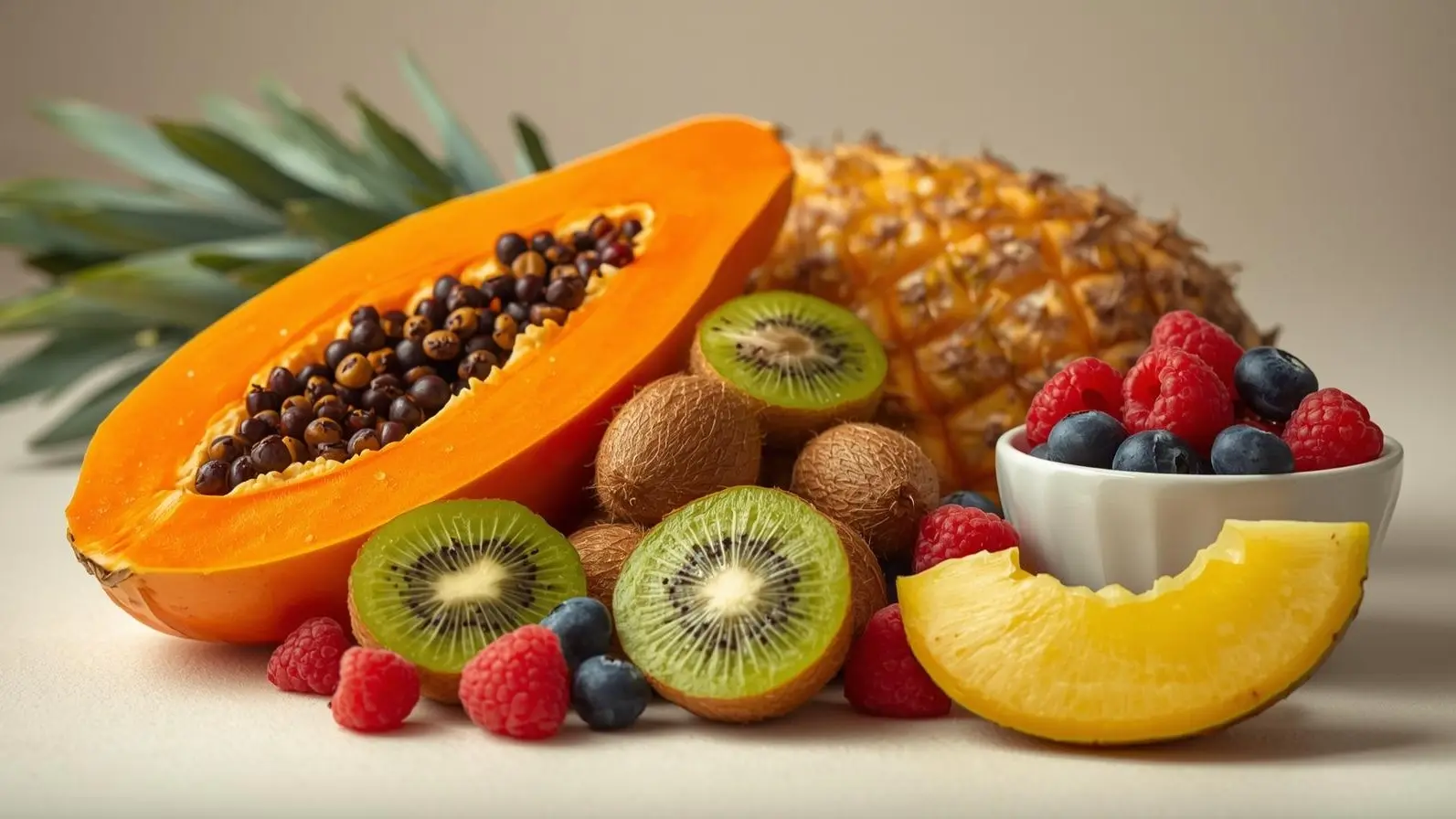
Top Fruits to Boost Gut Health and Enhance Digestion
Maintaining gut health is essential for overall well-being, influencing aspects like digestion, immunity, mental clarity, metabolism, and skin health. A robust gut relies on a balanced microbiome, effective digestion, and smooth bowel movements. Fruits serve as powerful allies for gut health, offering fiber, water, antioxidants, enzymes, and prebiotics that nourish beneficial gut bacteria. This comprehensive guide outlines the best fruits for digestion, their mechanisms within the gut, and tips on how to consume them for optimal benefits.
Importance of Fruits for Gut Health
Fruits contribute to gut health primarily in three ways. First, they are rich in dietary fiber, which nurtures beneficial gut bacteria and encourages regular bowel movements. Second, fruits include natural enzymes that aid in the breakdown of food, easing digestive strain. Third, many fruits are teeming with polyphenols and antioxidants that mitigate gut inflammation and nurture intestinal lining health. Unlike processed options, fruits enhance digestion without any irritation to the gut when consumed properly.
Fiber and Its Role in Digestion
Fiber stands as a fundamental nutrient for gut health, and fruits are among the top natural sources. There are two key types of fiber. Soluble fiber absorbs water, creating a gel-like substance that decelerates digestion and nourishes gut bacteria. Insoluble fiber adds bulk to stool and facilitates movement through the digestive tract. A well-functioning gut needs both types in harmonious amounts.
Apples
Apples are renowned for their gut-friendly properties, thanks to their high pectin content, a form of soluble fiber.
Pectin serves as a prebiotic, nourishing beneficial gut bacteria and enhancing stool consistency.
They help alleviate constipation while also preventing diarrhea by regulating bowel movements.
For maximum benefits, consume apples with their skin.
These fruits are particularly advantageous for individuals experiencing sluggish digestion and irregular bowel habits.
Bananas
Bananas are gentle on the stomach, making them suitable for sensitive digestion.
They boast resistant starch that feeds gut bacteria.
Bananas assist in restoring gut balance after diarrhea and soothe the intestinal lining.
Ripe bananas facilitate easy digestion, while slightly unripe versions are beneficial for gut bacteria due to their increased resistant starch content.
They are commonly suggested for those recovering from digestive issues or infections.
Papaya
Papaya excels as a fruit for digestion because of its natural enzyme, papain.
Papain helps in breaking down proteins and alleviates bloating, gas, and post-meal heaviness.
It promotes smoother digestion, particularly beneficial for individuals with slow gastric emptying.
This fruit also helps reduce inflammation in the digestive tract and aids in gut healing.
Consuming papaya after heavy meals can greatly enhance digestion.
Pineapple
Pineapple is rich in bromelain, a potent digestive enzyme.
Bromelain facilitates protein digestion and mitigates gut inflammation.
Pineapple helps combat bloating and improves nutrient absorption.
Fresh pineapple is more effective than canned varieties due to often losing enzyme activity.
Moderation is advisable, as excessive pineapple might irritate sensitive stomachs.
Berries
Berries, including blueberries, strawberries, raspberries, and blackberries, are exceptional for gut health.
They are loaded with polyphenols that encourage the growth of beneficial gut bacteria.
Berries contain a blend of soluble and insoluble fiber, aiding both digestion and regularity.
Their antioxidant properties help reduce inflammation in the gut lining.
Regular consumption of berries is associated with enhanced microbiome diversity.
Kiwi
Kiwi is a well-supported fruit for its digestion-enhancing properties.
It contains actinidin, an enzyme that aids in protein digestion.
Kiwi increases stool frequency and softness, thus effective against constipation.
It promotes gut motility without causing cramps or irritation.
Consuming one or two kiwis daily can significantly boost digestive comfort.
Oranges and Citrus Fruits
Citrus fruits like oranges, sweet lime, and grapefruit contribute to digestion in various ways.
They are abundant in soluble fiber and flavonoids that help balance gut bacteria.
Citrus fruits also stimulate digestive juices, enhancing food breakdown.
They aid in preventing constipation while keeping the gut adequately hydrated.
Individuals with acid sensitivity should opt to consume citrus earlier in the day and steer clear of excess.
Pears
Pears contain high levels of water and soluble fiber.
They encourage gentle digestion and contribute to stool softening.
Highly beneficial for those experiencing chronic constipation.
Eating pears with the skin maximizes fiber benefits.
They are easy to digest and suitable across all age groups.
Guava
Guava is abundant in dietary fiber and beneficial digestive compounds.
It enhances bowel movement regularity and aids in gut cleansing.
Guava seeds bolster stool bulk, facilitating intestinal movement.
This fruit also possesses antimicrobial properties that support gut stability.
Moderate intake is advised for those with sensitive digestion.
Figs
Fresh and dried figs act as powerful natural laxatives.
They encompass both soluble and insoluble fiber.
Figs assist in relieving constipation and promote gut motility.
Soaked figs tend to be more effective in encouraging morning bowel movements.
Individuals with irritable digestion should start with moderate portions.
Prunes
Prunes are among the top fruits for alleviating constipation.
They feature sorbitol, a natural sugar alcohol that attracts water into the intestines.
Prunes enhance stool frequency and consistency.
They are especially beneficial for older adults and those with sedentary lifestyles.
Excessive consumption may lead to gas, so moderation is crucial.
Avocados
Avocados support gut health through their fiber and healthy fats.
They provide both soluble and insoluble fiber.
Avocados help reduce inflammation in the digestive tract.
Healthy fats aid in nutrient absorption and promote gut lining wellness.
They additionally foster beneficial gut bacteria growth.
Watermelon
Watermelon enhances digestion chiefly through hydration.
Its high water content helps prevent constipation.
It supports seamless digestion, especially in warm weather.
Watermelon is gentle and soothing for the gut.
For optimal digestion, it should be eaten alone.
Fruits Acting as Prebiotics
Some fruits effectively nourish beneficial gut bacteria.
Apples, bananas, berries, kiwi, and pears contain prebiotic fibers.
Prebiotics enhance microbiome diversity and gut immunity.
Consistent intake fortifies digestion over time rather than offering instant relief.
Optimal Fruits for Common Digestive Issues
For constipation: Kiwi, prunes, figs, pears, apples
For bloating: Papaya, pineapple, bananas
For sensitive stomach: Bananas, apples, watermelon
For gut inflammation: Berries, avocados, citrus fruits
How to Consume Fruits for Enhanced Digestion
For optimal absorption, eat fruits on an empty stomach or between meals.
Chew fruits thoroughly to lessen digestive strain.
Avoid pairing fruits with heavy protein-rich meals.
Whole fruits are preferable over juices to retain fiber content.
Ensure thorough washing of fruits to prevent gut irritation from residues.
Common Errors That Diminish Fruit Digestive Benefits
Overeating fruit can lead to bloating.
Combining fruits with processed foods reduces gut benefits.
Drinking cold water right after fruit may hinder digestion.
Lack of variety limits microbiome diversity.
Relying on fruit juices eliminates essential fiber.
Timing Fruits for Optimal Gut Health
Morning fruit consumption enhances bowel movements.
Midday fruits aid digestion without contributing heaviness.
Consuming fruits late at night might cause bloating for some.
For long-term gut health, consistency is more crucial than timing.
Who Should Monitor Fruit Intake Carefully
Individuals with irritable bowel syndrome might need to limit high-FODMAP fruits.
Diabetics should be cautious about portion sizes due to natural sugars.
Those suffering from acid reflux should steer clear of citrus during the night.
Gradual introduction helps avoid digestive discomfort.
Concluding Thoughts
Incorporating fruits efficiently supports gut health and digestive functions. When selected with care and consumed correctly, they enhance bowel regularity, feed valuable gut bacteria, lower inflammation, and boost nutrient absorption. While no single fruit can resolve digestive issues entirely, a varied and fruit-rich diet lays a robust foundation for lasting digestive health. Staying attuned to your body's needs and maintaining balance is the secret to achieving a happy gut.
Disclaimer
This article is meant for informational purposes solely. Individual digestive responses may vary. It's wise to consult a healthcare professional for personalized dietary recommendations.