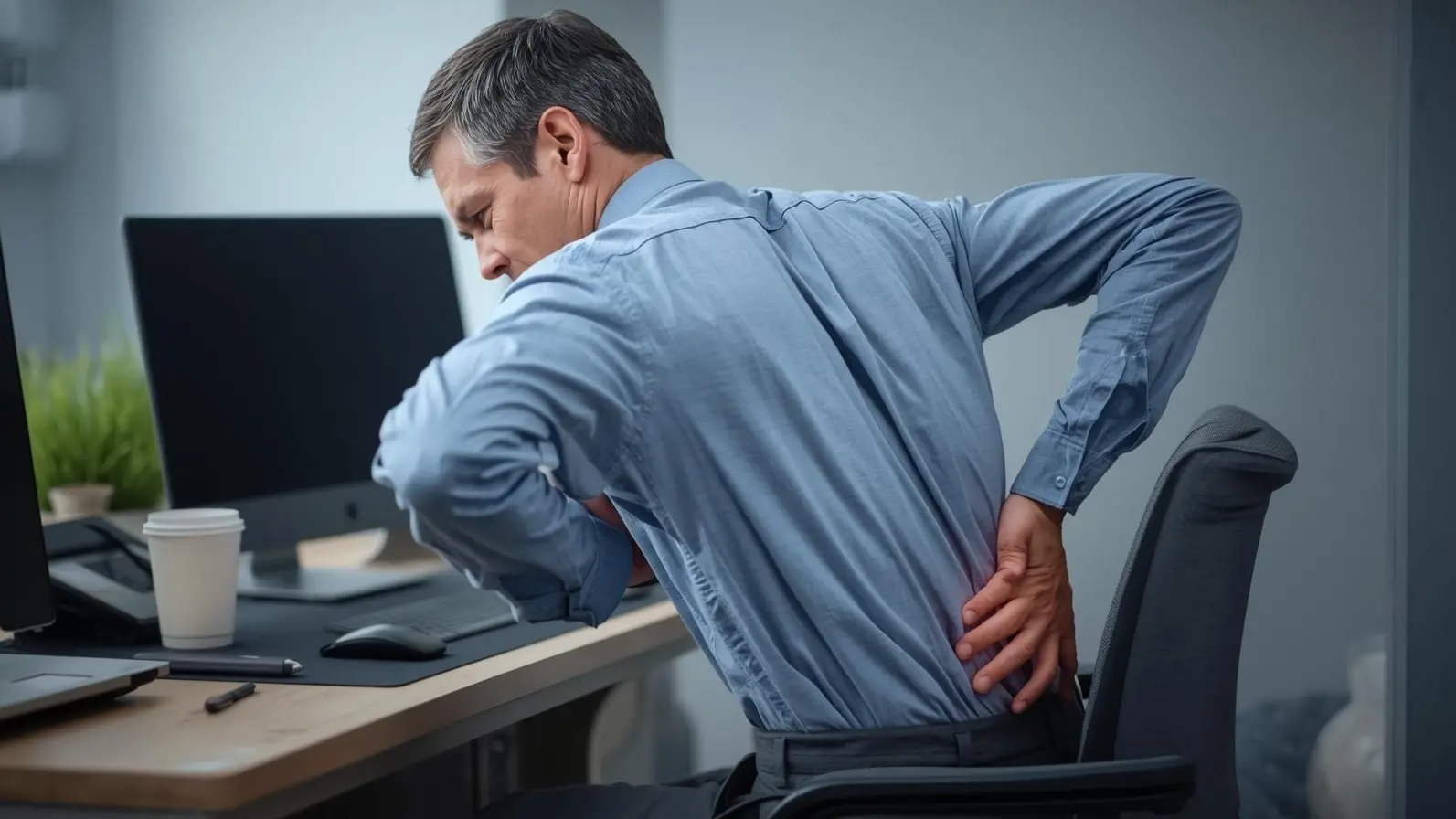
Understanding the Impact of Extended Sitting on Back Pain
Today's work culture has significantly increased the amount of time we spend sitting. With office roles, remote work arrangements, lengthy commutes, and excessive screen time, our bodies often remain in static positions for extended periods. This prolonged inactivity can weaken muscles, stiffen joints, and create pressure in the lower back, leading to discomfort and chronic pain, particularly in younger individuals.
Effects of Long Sitting on the Spine
Sitting exerts more pressure on the spine compared to standing. Poor posture while seated can compress spinal discs, hinder blood circulation to the muscles, and tighten hip flexors. Slumped shoulders and a forward head position put strain on the neck and upper back. Without regular movement, spinal alignment can deteriorate, resulting in muscle imbalances and nerve irritation.
Signs That Your Back Pain is Related to Sitting
Back pain associated with prolonged sitting often emerges gradually. Symptoms may include stiffness upon standing up, a dull ache in the lower back, tightness in hip areas, tension in the neck and shoulders, limited flexibility, and discomfort that intensifies by day’s end. Overlooking these signs can lead to chronic postural issues.
Posture Tips to Minimize Back Pain
Adopting the right sitting posture is one of the best ways to mitigate back pain caused by prolonged sitting. Make sure to sit upright, keep shoulders relaxed, and have your feet flat on the ground. Position your hips slightly above your knees and avoid crossing your legs for extended periods. The screen should be at eye level to prevent slouching, and a lumbar cushion can help maintain the spine's natural curve.
Creating an Ergonomic Workspace
Setting up an ergonomic work area can significantly relieve strain on your spine and muscles. The chair should offer lumbar support and allow a slight recline, while your desk should be at a height that keeps your elbows comfortable. Ensure that your keyboard and mouse are easily accessible to prevent shoulder strain. Simple workspace adjustments may result in notable decreases in discomfort.
Importance of Taking Movement Breaks
The human body isn't designed for prolonged inactivity. Standing up every 30 to 45 minutes can help improve circulation and alleviate muscle stiffness. Incorporating short walks, gentle stretches, or simple posture resets during breaks can keep pain at bay throughout the workday. Regular movement is crucial for spine health, even more so than sporadic, intense workouts.
Effective Stretches to Relieve Back Pain During Work
Stretching tight muscles can relieve pressure on the spine. Effective stretches include gentle back extensions, seated twists, shoulder rolls, and hip flexor stretches. Just a few minutes of stretching during work hours can ease tension and enhance flexibility; however, ensure stretches are performed slowly and without pain to avert injury.
Building Core Muscle Strength for Back Stability
Weak core muscles increase stress on the lower back. Enhancing core strength promotes better spinal stability and posture. Incorporate exercises such as planks, pelvic tilts, and controlled leg lifts to build strength without the need for heavy equipment. A robust core can help mitigate the risk of recurrent back pain caused by extended sitting.
Adjusting Your Daily Habits for Spine Health
Back pain isn't just a work-related issue; it reflects broader lifestyle choices. Investing in a good quality mattress, maintaining a healthy body weight, and avoiding slouched positions while using a phone can help safeguard your spine. Carrying heavy items on one shoulder and choosing inappropriate footwear can further exacerbate back discomfort.
The Role of Physical Activity in Back Pain Prevention
Regular exercise promotes muscle flexibility and joint mobility. Walking, swimming, yoga, and light strength training are especially beneficial for maintaining back health. Even moderate daily physical activity can counteract the adverse effects of long sitting hours and improve overall posture.
Breathing and Relaxation Techniques for Muscular Relief
Stress is often responsible for muscle tightness, particularly in the back and shoulders. Deep breathing and relaxation methods can help alleviate tension. Mindful breathing enhances oxygen flow to the muscles and diminishes pain related to stress and physical stiffness.
When to Utilize Heat or Cold Therapy
Heat therapy is effective for relaxing tight muscles and enhancing blood circulation, making it particularly helpful for stiffness brought on by long sitting. Alternatively, cold therapy can be useful for sharp pain accompanied by inflammation. Using these therapies occasionally can provide temporary relief alongside movement and posture correction.
Avoiding Common Missteps That Aggravate Back Pain
Disregarding pain signals, sitting continuously without breaks, using couches or beds as workspaces, and relying solely on medication for comfort are frequent pitfalls. Seeking pain relief without addressing underlying problems leads to recurring discomfort. Lasting alleviation requires consistent posture practices and regular movement.
Recognizing When Medical Attention is Necessary
If back pain persists for several weeks, worsens, or is accompanied by numbness, tingling, or weakness in the legs, it's crucial to consult a healthcare professional. Early intervention is essential to prevent serious spinal issues and long-term repercussions.
Establishing Long-Term Habits for a Healthy Back
Combating back pain from prolonged sitting hinges on sustainable daily practices rather than quick fixes. Small shifts in posture, movement, and activity levels can lead to significant improvements. Commitment to consistency is more effective than sporadic intensive efforts.
Conclusion
Back pain linked to prolonged sitting is increasingly commonplace but largely preventable. By maintaining proper posture, incorporating regular movement, creating an ergonomic environment, and engaging in simple strengthening exercises, one can greatly alleviate discomfort. Focusing on daily habits is vital for protecting spinal health and enhancing overall quality of life.
Disclaimer
This article serves informational purposes and does not substitute for professional medical advice. For severe or ongoing back pain, individuals should seek proper assessment and treatment from a qualified healthcare provider.