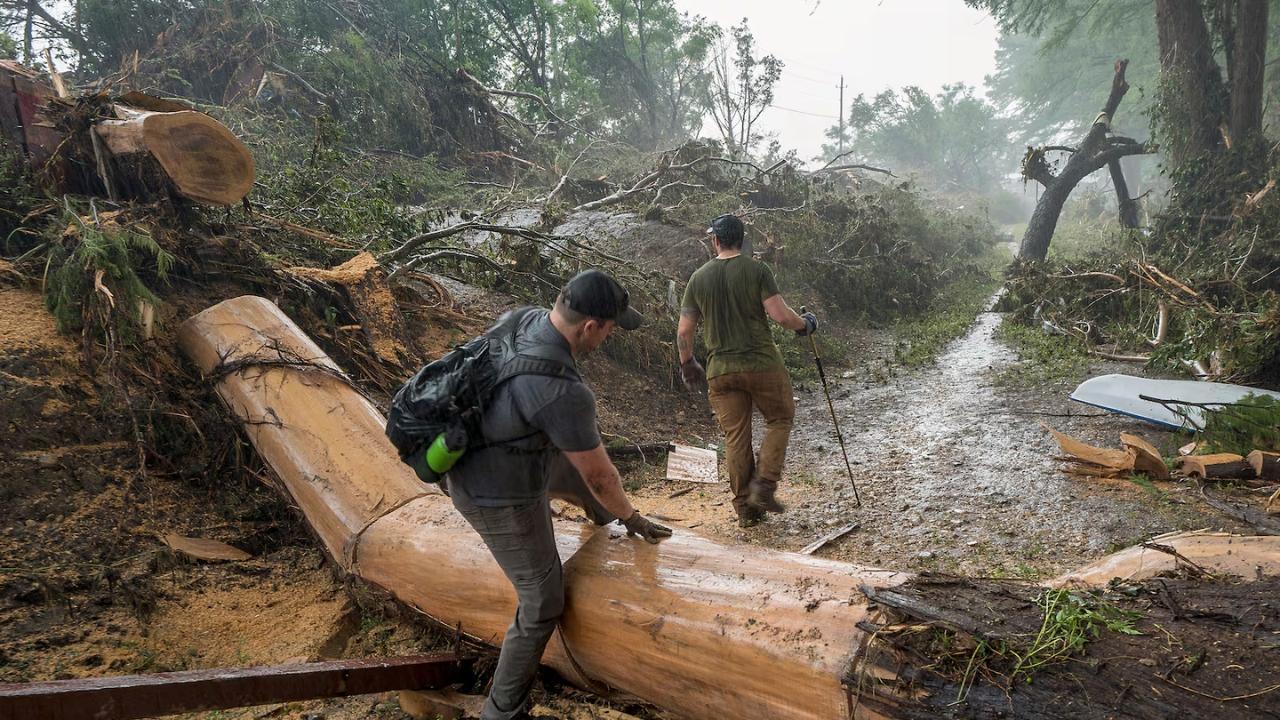
Photo:AP
The devastating flash floods that struck Central Texas over the Independence Day weekend have now claimed the lives of at least 82 individuals, with 10 young campers and one counselor still missing, according to regional authorities. What began as a typical summer celebration along the Guadalupe River transformed into one of the deadliest natural disasters the region has seen in decades. The tragedy unfolded rapidly, fueled by days of unrelenting rain that overwhelmed riverbanks, swept away entire campsites, and left behind a trail of destruction and mourning that now stretches across several counties.
On the night of July 4th, local residents in Kerr County and nearby areas had little warning before torrential rain began pouring down in violent bursts. Meteorologists recorded up to 15 inches of rain falling within a matter of hours. While such rainfall is uncommon for this season, it isn't unprecedented in Texas's erratic climate pattern. Yet, the rate of accumulation and intensity of runoff proved catastrophic, overwhelming local flood infrastructure and triggering near-instant flash flooding.
The Guadalupe River, normally a serene flow lined with summer cottages and youth camps, became a churning force of destruction. Campsites, hiking trails, roadways, and neighborhoods along the riverbanks were submerged or destroyed within hours. At Camp Mystic, a long-standing girls’ summer camp that had been operating peacefully for generations, the situation turned deadly. More than 750 girls aged 8 to 15 had gathered at the riverside property for a week of activities and faith-based learning. The sudden flooding cut off power, communication, and access roads to the camp, trapping hundreds.
Camp leaders managed to evacuate large groups of girls to higher ground, but the speed of the water surge meant that not everyone could be reached in time. Rescue crews, some of whom had to wade through waist-deep water or arrive by helicopter, reported scenes of chaos and terror as girls tried to escape fast-rising water. Several cabins were swept away before their occupants could evacuate, and makeshift ropes used to cross shallow parts of the river broke under the strain of the current.
As the sun rose the next day, the full scale of the disaster began to emerge. Bodies were recovered downstream, some tangled in debris, others located by rescue dogs trained to detect cadavers. Parents arriving at the scene described agonizing hours waiting for lists of survivors, hoping to hear their child's name called. Authorities confirm that 28 of the 82 dead were children, with many believed to have come from the same camp.
The ongoing search for the 10 still-missing campers and one counselor has become a high-priority mission involving state emergency crews, volunteers, the National Guard, and federal disaster response teams. Search dogs, sonar equipment, infrared drones, and divers have been deployed in a coordinated effort to cover the wide and debris-filled riverbanks. Still, thick vegetation, unstable terrain, and fast currents make the job perilous. Authorities have urged citizens to stay away from the area unless directly involved in the effort.
Kerr County Sheriff Larry Leitha, visibly emotional during a press briefing, called it the worst natural disaster he had seen in his career. He noted that some families have lost multiple members and that mental health support is being made available to survivors and emergency personnel alike. Governor Greg Abbott declared a state of emergency across multiple counties, triggering federal assistance and unlocking emergency shelter and funding mechanisms.
The federal government has sent FEMA teams and Coast Guard units to assist in rescue and recovery efforts. The White House released a statement expressing condolences and confirming that President Trump had been briefed and would be visiting the region in the coming days to survey the damage and meet with affected families.
In the aftermath of the floods, local communities have mobilized rapidly. Churches, schools, and community centers have opened their doors to serve as emergency shelters, offering cots, food, and counseling for displaced residents and grieving families. Volunteer networks across Texas have sent supplies ranging from bottled water and diapers to phone chargers and tents. Blood banks report an overwhelming response from donors.
Yet even as Texans demonstrate their renowned resilience, questions are mounting about why the scale of the disaster was not better anticipated. Critics argue that the National Weather Service’s flash flood warnings were too limited in reach or came too late to allow for safe evacuations, particularly in rural and hard-to-access regions. Others have pointed to outdated floodplain maps and a lack of regulation over riverside development as root contributors to the high death toll.
Experts warn that such deadly floods may become more common as climate change accelerates the frequency of extreme weather. Warmer air holds more moisture, creating conditions for heavier rainfall events. Coupled with urban expansion into flood-prone areas, Texas and similar states may find themselves facing repeated episodes of flash flooding unless infrastructure and emergency preparedness are drastically improved.
Another focus of concern lies in the safety regulations and emergency protocols of summer camps, particularly those operating near natural water sources. Some parents have demanded a full review of camp safety procedures, questioning whether evacuation drills had been practiced or whether emergency plans had been updated to reflect changing climate threats. Camp Mystic, despite its long history and respected reputation, has faced criticism for allegedly failing to communicate effectively with parents during the crisis.
In interviews with local media, several survivors shared stories of bravery and teamwork. One 14-year-old girl described carrying a younger camper on her back up a flooded trail, while others formed human chains to help friends cross fast-moving creeks. Counselors worked through the night to comfort panicked children, many of whom had never experienced such fear. One mother, reunited with her daughter after a harrowing 36 hours, called the camp staff "heroes who acted with love and courage."
Still, grief permeates the air. Dozens of funerals are now being planned across Texas. Entire schools and church congregations have been devastated by the loss of multiple students. While the community rallies, the emotional toll is deep and enduring.
In the days ahead, officials have warned that further rainfall could exacerbate the situation, especially as soil remains saturated and infrastructure is still compromised. Engineers are monitoring dam systems and river flows closely, and some evacuation orders remain in effect. Cleanup efforts have begun, though authorities admit that the damage—both physical and psychological—will take months if not years to recover from.
Environmental experts are calling for a major overhaul in how flood zones are assessed and managed. They recommend updated hydrological studies, real-time weather modeling, mandatory evacuation zones, and improved public communication systems that go beyond mobile alerts and social media.
At the federal level, a debate is already emerging around disaster relief funding, insurance reform, and climate adaptation measures. Lawmakers from both parties have acknowledged the need to take lessons from this tragedy to prevent similar future events. There is bipartisan support for investing in early warning infrastructure and better equipping first responders, though broader climate legislation remains politically sensitive.
As the families of the missing wait in heartbreaking uncertainty, their courage has galvanized support from every corner of the nation. Memorials have sprung up around the campgrounds, where flowers, handwritten notes, and teddy bears line the muddy ground. Prayer vigils have been held across the state. National media continues to cover the story, bringing both public awareness and political urgency.
In the end, the Central Texas flash floods serve as a stark reminder that nature, in its most violent form, respects no boundaries. Whether child or adult, rural resident or summer visitor, no one is immune from its wrath. But as the people of Texas show time and again, compassion, unity, and action can rise from tragedy. The lost will be remembered, the missing will be searched for, and the lessons will not be forgotten.