Commemorating a National Hero
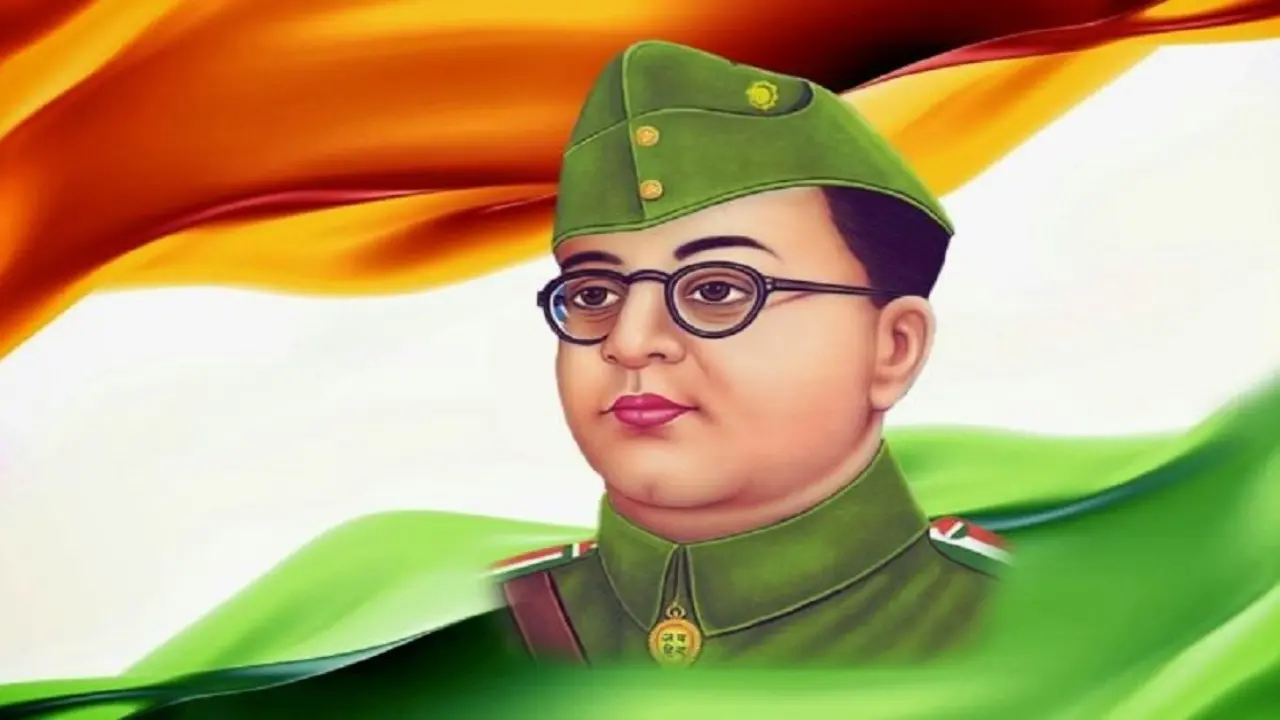
Each year, January 23 is a date of reverence in India, dedicated to Netaji Subhas Chandra Bose, an enduring symbol of the struggle for independence. The Government of India, in 2021, designated this occasion as Parakram Diwas to celebrate his bravery, vision, and commitment to the nation. In 2026, the observance marks the 129th anniversary of his birth, prompting a profound reflection on his enduring legacy and its significance today.
Netaji Subhas Chandra Bose: A Life of Purpose and Ideals
Early Years and Education
Netaji was born on January 23, 1897 in Cuttack, Odisha. Hailing from a well-educated family, he exhibited exceptional academic talent early on. He pursued his studies in India before going to England to take the Indian Civil Services (ICS) exam. However, he decided to leave behind a promising civil service career to join the fight for India's freedom.
Embracing Nationalism
Upon returning to India, Bose joined the Indian National Congress, rising swiftly due to his fervent nationalism and compelling speeches. His approach emphasized active resistance over passive methods. He famously proclaimed that freedom requires collective effort, a principle that guided his political pursuits.
Leading the Charge for Independence
Presidency in the Indian National Congress
Bose was elected as President of the Indian National Congress in both 1938 and 1939. However, ideological clashes with senior party leaders regarding passive resistance led to his resignation. His commitment to a more confrontational stance against British rule distinguished him in the independence movement.
The Forward Bloc’s Creation
After departing from the Congress leadership, Netaji established the Forward Bloc in 1939, aimed at uniting all anti-colonial factions to bolster the independence fight. This organization played a vital role in engaging youth and stirring nationalist sentiments nationwide.
Founder of the Indian National Army (INA)
Bose’s lasting legacy is most evident in his command of the Indian National Army (Azad Hind Fauj), which he reformed with the aid of Indian expatriates and World War II prisoners. The INA aligned with Japan to combat British forces, inspired by Bose’s call to action: “Give me blood, and I shall give you freedom.” This uncompromising stance galvanized countless Indians.
The Significance of Parakram Diwas
National Importance and Recognition
Officially recognized as Parakram Diwas in 2021, this day champions values of courage and selfless service. It's a dedicated effort to inspire future generations by encapsulating the fearless spirit of Netaji, reinforcing the message that national aspirations demand resolute action.
In 2026, Parakram Diwas will see ceremonies across India, including events organized by the Ministry of Culture at historic sites, with the main celebration occurring at Sri Vijaya Puram in the Andaman and Nicobar Islands.
Evoking Nationwide Celebrations
Civic and Community Engagement
On this significant day, various sectors—government institutions, educational bodies, and cultural organizations—host commemorative events that honor Netaji’s legacy. Activities such as flag hoisting, patriotic programs, and exhibitions highlight his contributions, aiming to nurture patriotism in younger generations.
Political Tributes
Political spokespersons, including the Vice-President of India, participate in commemorative events across states. In 2026, notable visits occurred in Odisha and West Bengal—regions integral to Bose's life—to honor his memory during Parakram Diwas events.
Lasting Impact and Legacy
Inspiring Leadership
The legacy of Netaji Subhas Chandra Bose reaches beyond the confines of the independence movement. His teachings on self-belief and organized action continue to resonate today. His life serves as a source of inspiration for leaders who value courage over conformity and strategy over complacency.
Cultural and Educational Significance
Netaji’s narrative features prominently in academic syllabuses and cultural observances. His journey is revisited through literature, films, and discussions, ensuring his contributions to freedom are forever engrained in the nation's consciousness.
Ongoing Mysteries and Discussions
Enigma Surrounding His Demise
Debates about Netaji’s disappearance in 1945 persist even after decades. Various perspectives have emerged, with families urging the Indian government to retrieve his remains from Japan. This illustrates the continued respect and intrigue surrounding his legacy.
Political and Social Narratives
Celebrating his birth as Parakram Diwas has sparked discussions, with calls for alternative commemorative names that evoke broader themes of patriotism. This shows how evolving historical narratives continue to shape collective memory.
Netaji’s Message for the Future
Netaji’s life exemplifies the influence of strong leadership and strategic action in history. His famous rallying cry, along with his efforts to organize effective national resistance, remains a motivational touchstone for youth and aspiring leaders. Institutions increasingly use his legacy to impart values of bravery, unity, and commitment to the nation.
Conclusion: Celebrating Courage and Inspiration
The 129th birth anniversary of Netaji Subhas Chandra Bose on January 23, 2026, known as Parakram Diwas, transcends memorialization—it's a reassertion of the ideals that fueled India's freedom struggle. As the nation pays homage to his memory, it realigns itself with the principles he championed: fearless leadership and unwavering patriotism. Honoring his contributions is not only a look back at history but also an inspiration for the future.
Disclaimer: This article serves purely for educational and informational purposes, reflecting public information regarding Netaji Subhas Chandra Bose and does not imply any political endorsement.