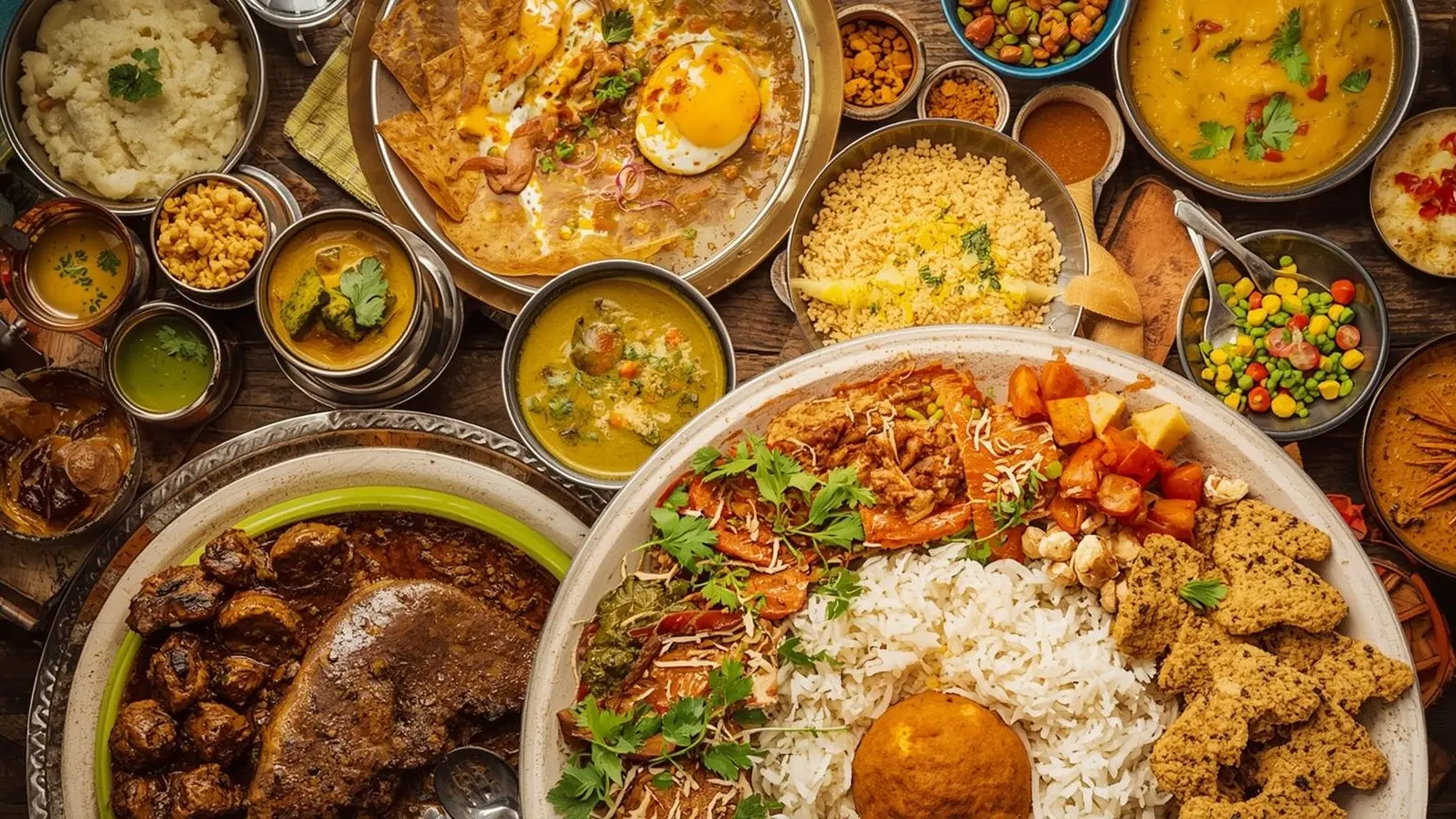
Navigating Indian Cuisine: A Guide to Mild and Spicy Dishes for Foreign Visitors
Renowned globally for its vibrant flavors and aromatic spices, Indian food can often seem daunting to foreign palates concerned about spiciness. However, Indian cuisine offers a plethora of options, ranging from delightful mild dishes to robustly spiced ones. By knowing which meals are gentle and which are hotter, travelers can savor Indian fare with comfort.
Differentiating Spice from Heat in Indian Cuisine
In Indian cooking, spice does not equate to heat. Varieties of spices like cumin, coriander, turmeric, and cardamom enhance flavor without the burn associated with chili. Chili heat emerges primarily from green chilies or chili powders; thus, a dish may delightfully capture aromas while remaining mild.
Defining Mild, Medium, and Spicy in Indian Terms
In the Indian context, “mild” typically refers to delicately spiced fare with little to no chili heat, whereas “medium” entails a moderate level of heat that remains palatable. “Spicy” encompasses dishes laden with chili that may be intense for those not accustomed to Indian spice levels.
Beginner-Friendly Mild Indian Dishes
For first-time visitors, numerous Indian dishes are both safe and satisfying.
Butter Chicken
A favorite among tourists, butter chicken features a rich, creamy sauce with a delicate sweetness and minimal chili kick, making it ideal for sensitive taste buds.
Korma
This luxurious nut-based curry, often incorporating yogurt or cream, relies on mild spices like cardamom and cloves rather than heat, presenting options like vegetable korma and chicken korma.
Dal Makhani
Made from slowly cooked black lentils and kidney beans in a buttery sauce, dal makhani provides a satisfying and mild option for any meal.
Malai Kofta
Soft dumplings made from vegetables or paneer, served in a creamy gravy, characterize this dish, radiating a mild sweetness and fragrance.
Plain Rice and Breads
Plain accompaniments like steamed rice, naan, and roti are significantly mild, serving to balance any dish that may have a higher spice content.
Moderately Spiced Indian Dishes
Some dishes carry a bit of heat yet remain manageable when paired with rice or bread.
Chicken Tikka Masala
This dish, spicier than butter chicken, offers a well-rounded flavor with a heat level that’s suitable for tourists.
Palak Paneer
Palak paneer features spinach and cottage cheese and tends to maintain a balanced spiciness due to its creamy base.
Chole
A chickpea curry popularly found in North India, chole attains a distinctive flavor from spices, not necessarily from excessive heat.
Vegetable Biryani
This aromatic rice dish, layered with spices, may be mildly spicy depending on preparation but is usually commendable when enjoyed with yogurt or raita.
Spicy Indian Dishes: A Caution for Foreigners
Some Indian specialties boast high heat levels that could overwhelm newcomers.
Vindaloo
A well-known Goan dish, vindaloo is characterized by its robust chili flavor and tang, making it one of the spiciest options.
Phaal Curry
Revered as one of India’s hottest curries, phaal is not for casual dining and is best approached with caution.
Andhra Chicken Curry
Known for its generous usage of red chilies, Andhra-style dishes from South India deliver robust flavors with significant heat.
Chettinad Curries
From Tamil Nadu, Chettinad dishes harness black pepper and chilies in abundance, gradually building substantial heat.
Understanding Spice Levels in South Indian Cuisine
The spice intensity across South Indian dishes varies widely.
Pairing idli or dosa with coconut chutney may yield mild options, whereas Andhra plates can be considerably hotter, necessitating caution when ordering.
Street Food: Varieties of Spice
The spice spectrum of Indian street food is diverse.
Popular items like pani puri and samosas may vary in heat significantly, contingent on the chutneys used. Street vendors are often accommodating, adjusting spice levels to suit client preferences.
How to Request Milder Dishes in India
Foreign travelers can make requests for “no spicy,” “less chili,” or “mild, please.” Establishments catering to tourists typically accommodate these preferences. Additionally, asking for yogurt or raita is beneficial in neutralizing heat; plain water alone does not suffice.
Debunking Common Myths Around Indian Cuisine
The stereotype that all Indian food is fiery is misguided. A variety of traditional home-cooked meals are indeed mild. The term curry does not invariably imply high spice levels, and vegetarian dishes are not automatically infused with heat. The level of spice results from regional variations and individual preparation methods.
Regions to Explore for Mild Indian Fare
Cuisines from North India and Mughlai are recognized for their milder profiles. Gujarati dishes often embrace sweetness alongside reduced heat. Conversely, Kashmiri cuisine emphasizes aroma over chili heat, while South Indian coastal regions may trend spicier.
The Allure of Spices in Indian Culinary Traditions
Spices assist in digestion, elevate flavor profiles, and are well-suited to India’s climate. With time, many develop a tolerance to spice, influencing perceptions for newcomers.
Final Recommendations for Travelers
Begin your Indian culinary journey with milder selections, progressively delving into bolder flavors. Enhance meals with rice, bread, and yogurt, and remember that color intensity does not always indicate heat levels. Enjoy the delightful diversity that Indian cuisine has to offer.
Indian food embodies remarkable diversity, extending beyond mere spiciness. Be it rich and creamy curries or bold regional dishes, there is something to sate every appetite. Recognizing the difference between mild and spicy dishes allows travelers to relish Indian flavors confidently.
Disclaimer
This article serves general informational needs. Varying spice levels exist across regions, restaurants, and cooking styles. Always confirm with the staff regarding dietary or spice sensitivity inquiries.