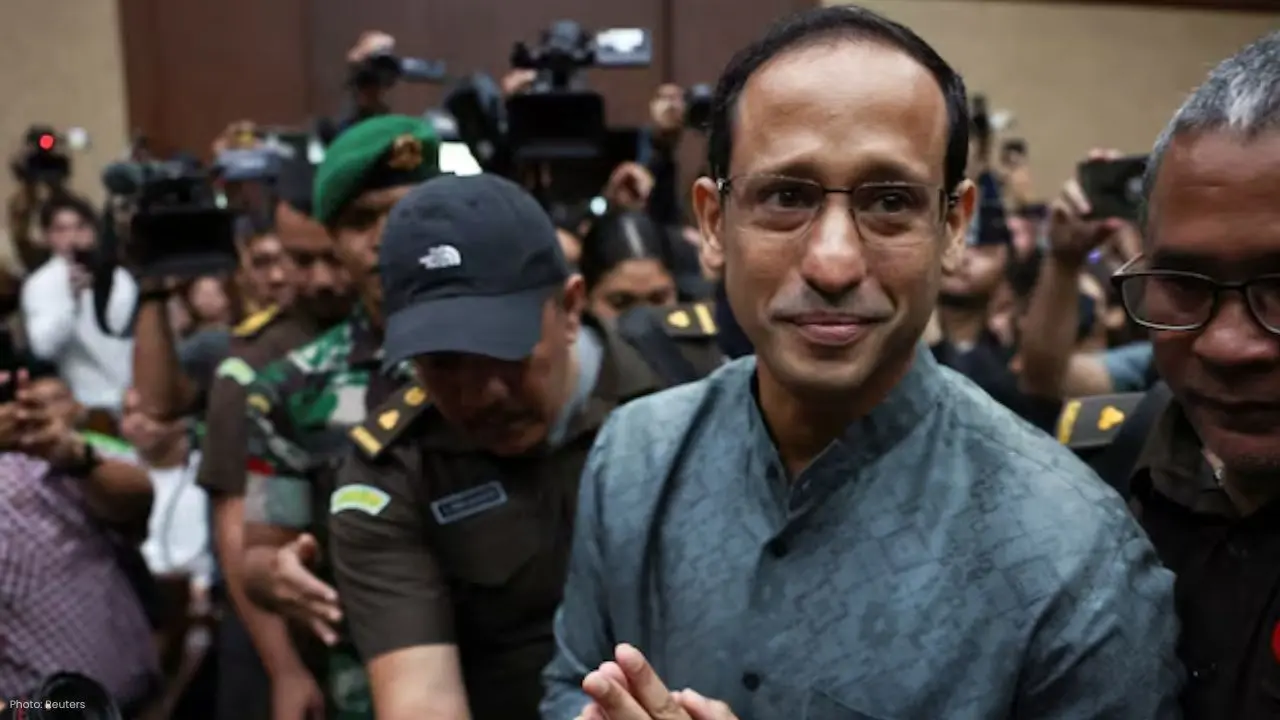
The former education minister of Indonesia and co-founder of Gojek, Nadiem Makarim, is facing formal corruption charges related to the procurement of Chromebooks for educational purposes during the COVID-19 pandemic, which reportedly misappropriated around $125 million in public funds. Prosecutors allege that this procurement process was manipulated in favor of Google, resulting in an estimated personal financial windfall of 809 billion rupiah, roughly $48 million. The investigation further indicates that multiple companies illicitly profited from this procurement scheme.
Critics of the initiative question the effectiveness of the Chromebooks, citing their inadequacy for areas with poor internet connectivity. This raises concerns about the logistics and impact of the program, particularly in rural locations that experience significant digital gaps. Tension rises as it is revealed that Google invested $59 million in Makarim's former company at the same moment, raising eyebrows over potential conflicts of interest.
Prosecutors assert that the tender process was intentionally designed to favor a specific vendor, undermining fair competitive bidding. Several Ministry of Education officials have also been arrested as part of this investigation, further suggesting that corruption may have permeated various levels of governance. The authorities point to these actions as a significant loss to the state budget, constituting violations of public procurement laws.
In response, Makarim and his legal representatives categorically deny any misconduct, asserting that the evidence against them is inadequate to support the charges. They maintain that procurement decisions were made with good intentions to aid the education sector during a critical period. The urgency for remote learning necessitated prompt action, they claim, to ensure educational continuity amid closures.
Should Makarim be found guilty, he could face harsh penalties, with the potential for a maximum sentence of 20 years. This case has captured widespread attention throughout Indonesia, shining a light on the relationship between public service, corporate benefits, and accountability in educational projects adapted in response to the pandemic. Observers note that the case may set a crucial precedent for dealing with corruption involving major educational initiatives, especially those involving prominent individuals.
As the situation develops, investigators remain focused on tracing the financial transactions and decision-making mechanisms within the administrative body, while public discourse continues around the effectiveness and transparency of the government’s pandemic-related initiatives.