Families and community groups in Montreal are calling on city and provincial officials to improve emergency planning and support systems after two women died during a recent period of extreme cold and prolonged power outages. The deaths — uncovered during wellness checks conducted in neighbourhoods hit by outages — have raised alarm about how the city protects its most vulnerable residents when severe weather strikes.
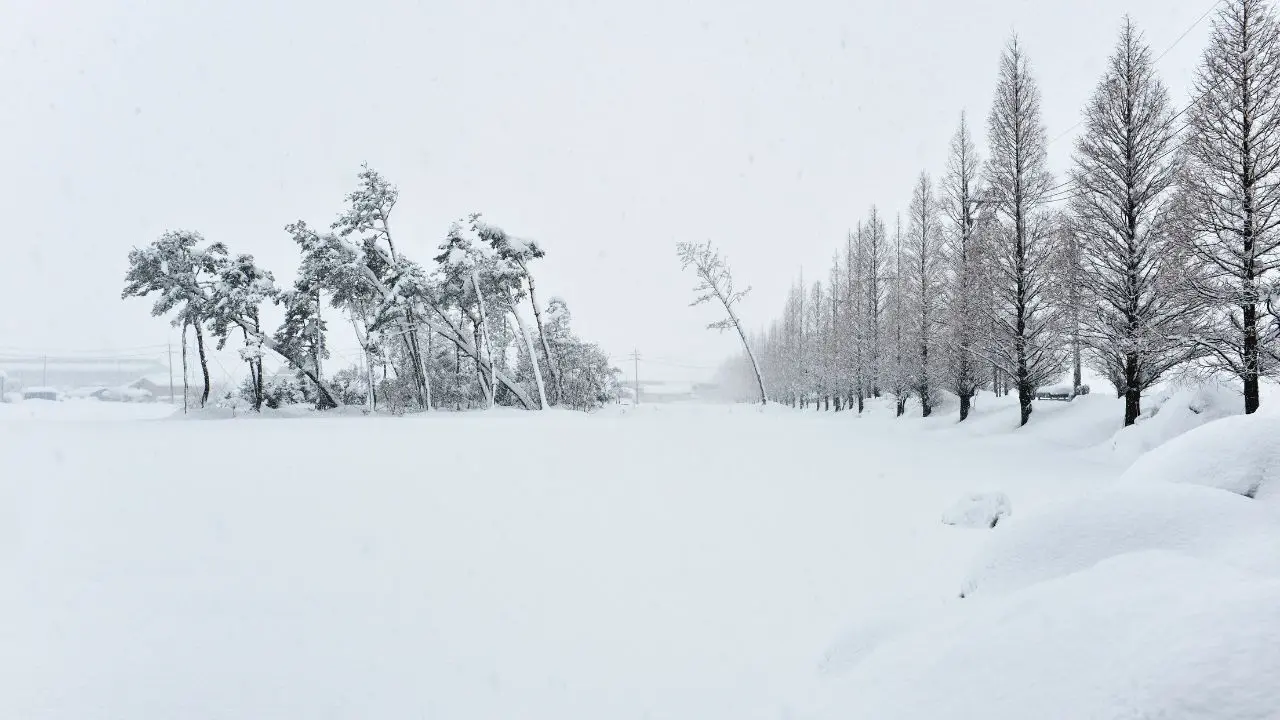
The outages, caused by winter conditions that knocked out electricity for about 15,000 Hydro-Québec customers in areas such as Notre-Dame-de-Grâce and Côte-Saint-Luc, left some homes without power for more than 48 hours amid plunging overnight temperatures that dipped into the mid-minus-20s Celsius. Heavy snowfall and frigid air compounded the danger for those without heat or reliable supports.
During wellness checks prompted by the outages, first responders discovered two women dead in their residences. One of the victims, 87-year-old Sheila Padmore, was found suffering from hypothermia, and her death is now under investigation by the Quebec coroner’s office. Authorities have said there is no indication of criminal activity, but both families and advocates say the tragedies reveal gaps in emergency response protocols and outreach to people at heightened risk.
Community workers and residents say the current system does not do enough to protect seniors, people with disabilities, those facing financial hardship or families with children needing special care during crises. “I’m always concerned for those who are marginalised and who we can easily forget,” said Marcelle Partouche Gutierrez, a community worker with MYCASA, highlighting how easily vulnerable people can be overlooked in emergency planning.
The incident has drawn attention to the challenges cities face as extreme weather events — including winter storms, heavy snowfall and cold snaps — become more frequent and severe. Critics argue that existing emergency support measures, such as wellness checks and temporary warming centres, are insufficient without proactive outreach and preparedness planning that anticipates extended power disruptions and dangerous cold conditions.
Montreal families are now pushing for clearer strategies and better coordination among municipal services, health care providers and utility companies to ensure quicker identification and assistance for residents who may be unable to stay warm or secure alternative shelter during outages. They urge officials to learn from this winter’s events and strengthen systems to prevent similar tragedies in future extreme weather emergencies.