Alberta on Measles Alert: Airdrie Superstore Exposure Triggers Public Health Response
Alberta Health Services (AHS) has confirmed a new measles case in the Calgary Zone, raising concerns about community exposure at several public locations. Among these, the Superstore in Airdrie has been identified as a potential exposure site where the infected individual was present while contagious. Health authorities have issued a public warning to residents who may have been in the vicinity during specific dates and times, urging them to monitor symptoms and confirm their vaccination status.
The confirmed case is part of a broader and increasingly serious public health trend in Alberta, where the province has reported over 1,300 measles cases since March—more than any other Canadian province and even more than the U.S. total in the same period. The highly contagious virus is now posing renewed risks to public health systems, schools, and unvaccinated populations.
Timeline of Potential Exposure
AHS outlined specific windows of exposure for the public:
-
Real Canadian Superstore in Airdrie (300 Veterans Blvd. NE) – March 8, 2:00 p.m. to 3:00 p.m.
-
Sky Castle Play Centre, New Horizon Mall, Balzac – March 9, 12:00 p.m. to 3:00 p.m.
-
Airdrie Urgent Care Centre – March 11, 3:30 p.m. to 7:00 p.m.
-
One Health Associate Medical Clinic – March 12, 9:00 a.m. to 10:30 a.m.
Anyone present at these venues during the listed times who was born in 1970 or later and does not have documented immunity to measles is at risk. Those exposed are advised to self-monitor for symptoms for up to 21 days from the date of exposure.
Understanding the Danger: Why Measles Is a Public Health Threat
Measles is not just a childhood disease—it can result in serious health complications, including pneumonia, brain swelling (encephalitis), miscarriage in pregnant women, and even death. It is spread through airborne transmission, meaning the virus can remain active in the air or on surfaces for up to two hours after an infected person has left the area.
The disease has an incubation period of approximately 10–14 days. Early symptoms include high fever, cough, runny nose, and red eyes. A few days later, a blotchy red rash usually appears, beginning on the face and spreading to the rest of the body.
What makes measles particularly concerning is its extremely high contagion rate. If one infected person is in a room, up to 90% of unvaccinated individuals who are exposed to them will contract the virus.
Vaccination Remains the Most Effective Defense
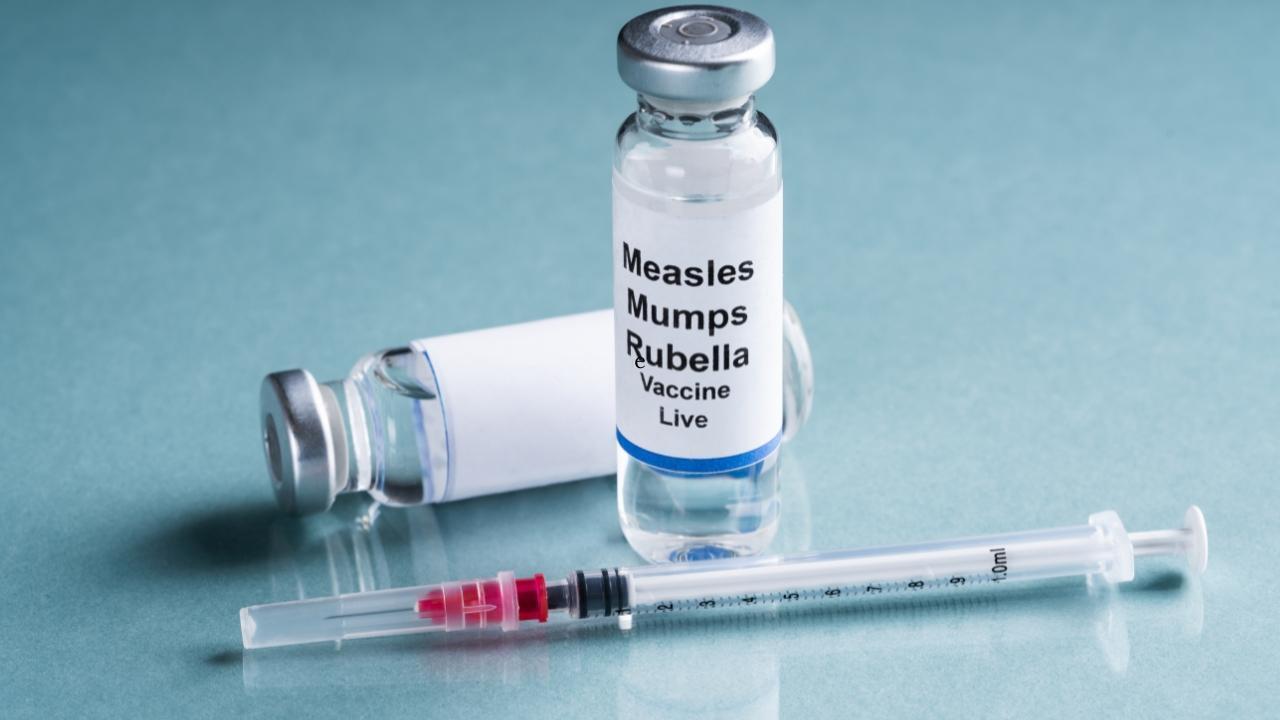
The MMR (measles, mumps, rubella) vaccine offers more than 97% effectiveness after two doses. In Alberta, MMR vaccination is part of the routine immunization schedule, but growing vaccine hesitancy, misinformation, and missed childhood vaccinations due to the COVID-19 pandemic have left many communities vulnerable.
Children typically receive the first dose at 12 months and the second dose between 4 and 6 years old. However, teens and adults who have never been vaccinated or have only received one dose are still eligible—and strongly encouraged—to get the full vaccine regimen.
What To Do If You May Have Been Exposed
Alberta Health Services recommends the following steps:
-
Check your immunization records. If you're unsure whether you've received two doses of the MMR vaccine, contact Health Link at 811 or your healthcare provider.
-
Watch for symptoms until March 26 (21 days from the last exposure date). Symptoms may include fever, rash, cough, or red eyes.
-
Isolate immediately if symptoms appear, and avoid public places to prevent further transmission.
-
Call ahead before seeking medical care. This allows clinics and hospitals to prepare and protect others from exposure.
The Bigger Picture: Alberta's Escalating Measles Outbreak
Alberta’s situation is part of a wider trend of resurging vaccine-preventable diseases across North America. The province has reported a sharp rise in cases over recent months, due in large part to falling vaccination rates, particularly among school-aged children.
-
As of July 2025, over 1,300 measles cases have been confirmed in Alberta.
-
Dozens of schools have reported temporary closures due to outbreaks.
-
Public health clinics have launched urgent catch-up vaccination drives in Calgary, Edmonton, and surrounding regions.
In response to the crisis, AHS has launched extensive outreach programs in high-risk communities and schools, providing mobile vaccination units, educational seminars, and digital resources.
Why Herd Immunity Matters
Herd immunity occurs when a large portion of the community is immunized, making the spread of infectious diseases like measles unlikely. For measles, this threshold is high—around 95% immunization coverage. Unfortunately, current provincial estimates indicate that some areas in Alberta are well below this mark, increasing the likelihood of sustained transmission.
Communities with low vaccine coverage are more likely to experience repeated outbreaks, placing children, the elderly, and people with weakened immune systems at heightened risk.
Government and Community Response
Provincial and federal health authorities are coordinating efforts to contain the outbreak. These include:
-
Accelerated contact tracing to quickly notify individuals who may have been exposed.
-
Outreach to schools and childcare centers, especially those with low reported vaccination rates.
-
Increased funding for public awareness campaigns to counter vaccine misinformation.
-
Mobile clinics in under-served and rural areas.
Additionally, doctors and nurses are being trained to recognize and respond to measles symptoms early to avoid missed diagnoses.
Protecting Vulnerable Populations
Infants under one year of age—who are too young to be vaccinated—are especially vulnerable. So are cancer patients, organ transplant recipients, and others who are immunocompromised. Community-wide vaccination protects these individuals indirectly through reduced transmission.
Parents, caregivers, and teachers are being urged to check their children’s immunization records and bring them up to date as soon as possible.
Travel Risks and International Concerns
International travel adds another layer of complexity. Alberta residents traveling to or from areas experiencing measles outbreaks, including the U.S. and Europe, may be exposed to the virus or inadvertently spread it upon return. Public health officials advise that travelers ensure full MMR vaccination prior to leaving the country.
Some countries may also impose travel restrictions or quarantine measures for individuals suspected of exposure.
Looking Ahead: What Must Change
The current outbreak underscores a pressing need to strengthen public health infrastructure, restore trust in vaccination programs, and promote science-based health policies. Recommendations from medical experts include:
-
Mandatory school-entry vaccine checks
-
Tighter legislation around misinformation on social media
-
Enhanced data tracking for community-level immunization rates
-
Collaboration with cultural and religious leaders to boost outreach
Conclusion
The recent measles exposure in Airdrie is not an isolated incident—it’s part of a larger, unfolding public health emergency in Alberta. With the province already exceeding national and international case totals, health officials are racing against time to contain the virus and prevent additional outbreaks.
The message is clear: if you’re not vaccinated, now is the time. For the sake of your health, your loved ones, and your community, immunization is your strongest defense.