Photo:AP
Boating Tragedy Near Bancroft: Man Charged in Impaired Operation Following Passenger Death on Weslemkoon Lake
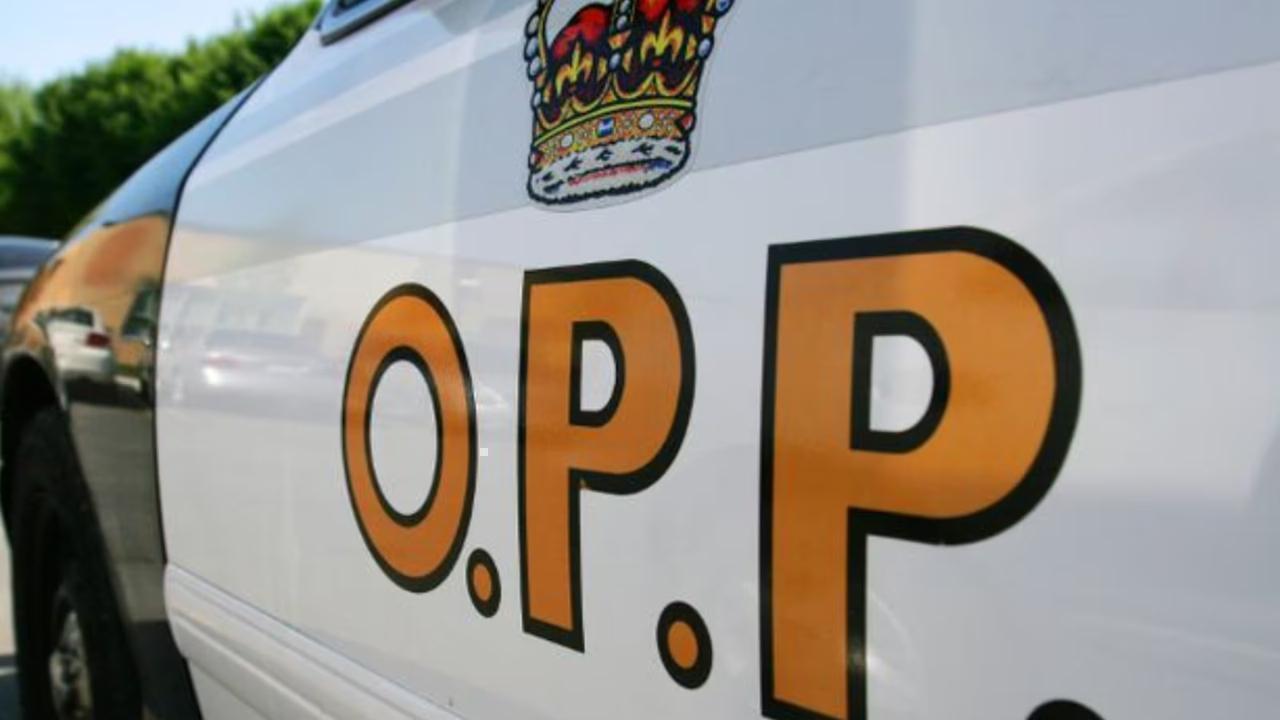
A devastating boating accident on Weslemkoon Lake, a tranquil waterway popular among cottagers north of Bancroft, Ontario, has led to criminal charges against a 21-year-old boater. The Ontario Provincial Police (OPP) confirmed that the young man has been charged with impaired operation of a vessel following the death of a passenger who went overboard and failed to resurface.
The incident, which unfolded during what should have been a peaceful recreational outing, has shaken the local community and reignited broader conversations about boating safety, alcohol consumption on watercraft, and the consequences of negligence behind the wheel—be it on land or water.
Details of the Incident: A Calm Day Turns Deadly
According to early reports and police statements, the fatal boating trip took place during daylight hours on a weekend when Weslemkoon Lake was dotted with other vessels enjoying typical summer leisure. The boat was occupied by several individuals, including the suspect and the now-deceased passenger.
Witnesses reported that the group appeared to be socializing when, under unclear circumstances, the victim was thrown or fell from the moving vessel. Emergency calls were made promptly, and rescue efforts were initiated almost immediately, but the victim did not resurface. Search and recovery teams were dispatched to the scene.
Authorities have since confirmed the involvement of alcohol and/or drugs, which directly led to the 21-year-old operator being charged with impaired operation causing death. The victim’s identity has not been officially released, pending family notification and further investigation.
OPP’s Official Response and Charges
The Ontario Provincial Police’s Central Hastings detachment took the lead in the investigation, supported by the OPP’s Marine Unit, local emergency medical services, and dive teams. Their preliminary assessment concluded that intoxication was a contributing factor to the fatal incident. Breathalyzer tests and field sobriety assessments conducted at the scene further supported this conclusion.
The boater has been charged under the Criminal Code of Canada for operating a vessel while impaired, a charge that carries severe penalties—especially in cases resulting in injury or death. The investigation is ongoing, and police have not ruled out additional charges such as criminal negligence causing death or manslaughter, depending on the outcome of forensic analysis, witness testimony, and toxicology reports.
If convicted, the accused faces years in prison, a permanent criminal record, and a lifetime prohibition from operating any watercraft. Legal experts anticipate a high-profile case due to the loss of life and the growing concern around impaired boating in Ontario’s cottage regions.
Weslemkoon Lake: A Summer Escape Now Tainted by Tragedy
Weslemkoon Lake, located in Hastings Highlands, is cherished by locals and vacationers for its calm waters, scenic islands, and abundant wildlife. It’s often considered a hidden gem for canoeing, fishing, and family retreats.
The lake's atmosphere has changed dramatically since the incident. Cottagers have reported a subdued mood and increased vigilance on the water. Many residents are expressing their condolences while simultaneously calling for stricter enforcement of boating laws—especially concerning the use of alcohol and cannabis on board.
This incident, one of several high-profile tragedies involving impaired boating in Ontario over recent years, underscores a growing safety crisis.
Boating Under the Influence: An Ongoing Problem
Statistics from the Canadian Red Cross and Transport Canada reveal a troubling reality: alcohol is a factor in up to 40% of all recreational boating deaths in the country. Impaired boating is often underestimated, with many viewing it as less dangerous than driving under the influence. But the risks are just as serious—if not more so—because of limited visibility, changing weather conditions, and the lack of immediate emergency assistance on water.
Ontario law treats boats the same as motor vehicles when it comes to impairment. This means:
-
Operators can be stopped by authorities and subjected to roadside (or lakeside) testing
-
Refusing a breath test is a criminal offense
-
Charges can be upgraded depending on the outcome (e.g., causing bodily harm or death)
-
Convictions can lead to jail time, fines, and the loss of boating privileges
The law also applies to non-motorized boats such as canoes and kayaks when alcohol is involved, especially if the operator’s actions put others at risk.
Community Outcry and Demands for Reform
In the wake of this tragedy, community members, boating organizations, and even municipal leaders are calling for action. Suggestions include:
-
Mandatory boater sobriety checks on high-traffic lake weekends
-
New legislation requiring zero-tolerance alcohol policies for boat operators
-
Public awareness campaigns tailored to cottagers and seasonal boaters
-
Stricter fines and longer licence suspensions for impaired boating offenses
-
Enhanced on-the-water patrols by OPP during summer months
Some have proposed that boating safety be incorporated into Ontario’s broader impaired driving strategy, with more funding allocated for enforcement and prevention.
Educational Efforts Gain Momentum
In light of this and similar incidents, boating safety organizations like the Lifesaving Society, Canadian Safe Boating Council, and Boating Ontario have ramped up public education efforts. These include:
-
Distributing "Boat Sober" decals to marina operators
-
Broadcasting PSAs on cottage country radio stations
-
Offering free safety courses and webinars
-
Promoting the “Don’t Drink and Drive—Any Vehicle” message, which includes ATVs, snowmobiles, and boats
Municipalities like Bancroft and Hastings Highlands are exploring the possibility of funding local outreach programs and supporting increased enforcement during peak tourism months.
The Human Toll: Grief, Guilt, and Legal Consequences
Behind the legal process and public discourse is a family in mourning. The passenger’s death has left a lasting emotional scar, both on loved ones and on the community at large.
Friends have described the victim as someone full of life and kindness, with dreams that were never fulfilled. Family members have asked for privacy but are expected to participate in public safety initiatives in the future to prevent other families from enduring the same loss.
For the accused boater, the path ahead is grim. A conviction could bring more than prison time—it could mean a lifetime of guilt, social stigma, and limited employment opportunities.
Lawyers specializing in impaired operation cases say that these cases are among the most emotionally difficult in the courtroom. Judges must balance the need for deterrence and justice with the reality of a young life that made a tragic, reckless choice.
Similar Incidents in Recent Years
Unfortunately, this incident is not isolated. In the past three summers, Ontario has seen several boating fatalities linked to impairment, including:
-
A 2022 case on Lake Simcoe where a jet ski operator collided with a dock while intoxicated, killing a passenger
-
A 2023 tragedy on Lake Nipissing involving a fishing boat and a fatal fall overboard after heavy drinking
-
A 2024 double drowning on Lake Muskoka after a canoe capsized following a cottage party
Each of these cases has reignited public concern and led to temporary bursts of attention—but critics argue more consistent and systemic change is needed.
What’s Next: Legal and Legislative Outlook
The accused in the Bancroft case is expected to appear in court in the coming weeks. Legal observers anticipate a closely watched case that may shape future boating law enforcement in Ontario.
If found guilty, penalties may include:
-
Imprisonment of up to 14 years (if convicted of impaired operation causing death)
-
A minimum 1-year licence suspension, with no eligibility for early reinstatement
-
Mandatory alcohol education and treatment programs
-
A permanent criminal record, impacting travel, employment, and insurance
Politicians and public safety officials are expected to review boating legislation later this year, especially in light of this and similar tragedies.
Conclusion: A Wake-Up Call for Every Canadian Boater
This heartbreaking event on Weslemkoon Lake is a reminder that boating is not risk-free, and that the responsibilities of operating a watercraft must be treated with the same seriousness as driving a car. Alcohol and drugs impair judgement, slow reaction time, and blur the awareness needed to navigate water safely.
For Canadians who enjoy summer on the lakes, the message is clear: boat sober, wear your life jacket, and prioritize safety over fun. One moment of recklessness can destroy multiple lives in an instant.
As the legal process unfolds, the community continues to grieve. But out of this tragedy, there is hope that better awareness, stronger laws, and greater respect for the water will prevent another unnecessary loss.