Introduction: A Necessary Disruption for a Historic River Crossing
A significant chapter in Edmonton's daily commute is set to begin this Monday, July 28, as the city embarks on a major and long-awaited rehabilitation project for the southbound span of the historic Low Level Bridge. This critical piece of infrastructure, a workhorse that has served the city for 76 years, will undergo extensive repairs designed to extend its operational life and ensure its structural integrity for years to come. While the project is essential for public safety and the long-term health of Edmonton's transportation network, it comes at a cost of considerable disruption. Commuters who rely on this key artery connecting the downtown core with communities south of the North Saskatchewan River are being advised to prepare for significant detours, increased congestion, and altered travel patterns that will remain in place until the end of 2025. This project represents a critical investment in the city's heritage infrastructure, but for the thousands who cross it daily, it will mean a period of patience and adjustment.
The Low Level Bridge: A Story of Two Spans and a Century of Growth
To understand the importance of this project, one must appreciate the unique history of the Low Level Bridge itself. It is not a single structure but two distinct bridges, each from a different era, running side-by-side.
-
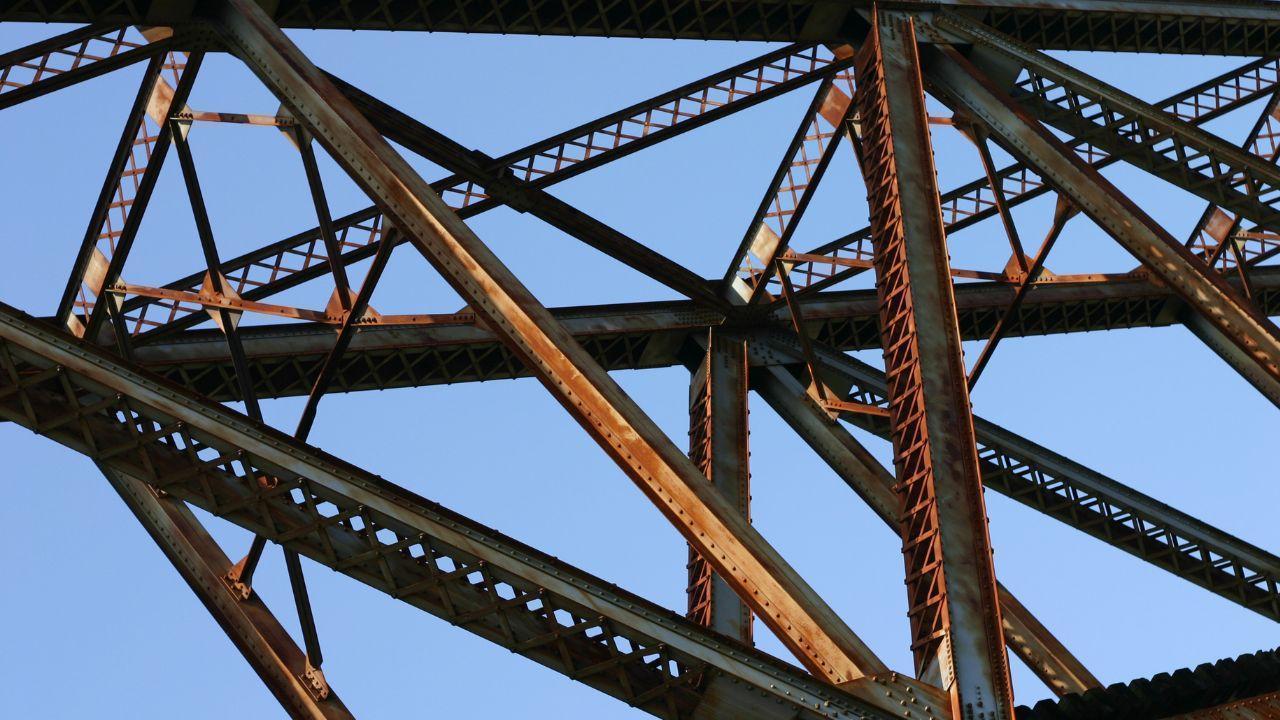
The Northbound Span (1900): The original, northbound bridge is a true piece of Edmonton's history. Built in 1900, this steel truss bridge was one of the city's earliest permanent river crossings. It played a pivotal role in the city's early development, connecting the burgeoning commercial center on the north side with the community of Strathcona on the south side before the two amalgamated. This historic span, which underwent its last major rehabilitation in 2006, will play a crucial role during the upcoming construction by carrying all of the southbound traffic.
-
The Southbound Span (1949): The focus of the current project is the newer, southbound span. It was constructed in 1949 to accommodate the explosion of post-war automobile traffic and has served as a primary route into downtown ever since. After more than seven decades of relentless service, bearing the weight of countless vehicles and enduring the harsh cycles of Edmonton's climate, the structure is showing its age. The concrete deck, steel supports, and bearings are in need of significant repair to ensure the bridge remains safe for public use. This rehabilitation is an interim measure, a necessary life-extending surgery for a bridge that is approaching the end of its intended design life and will eventually need to be decommissioned and replaced.
A Detailed Breakdown of Traffic Impacts and Detour Strategy
The City of Edmonton has planned a phased approach to the construction to mitigate the traffic impact as much as possible, but significant disruptions are unavoidable.
-
Complete Northbound Closure: The most significant and immediate change will be the complete closure of the Low Level Bridge to all northbound traffic for the entire duration of the project, starting Monday, July 28. All drivers heading north into downtown from the south side via this route will be detoured to the nearby James MacDonald Bridge. This will inevitably add a substantial volume of traffic to the James MacDonald Bridge, a route that is already heavily used, particularly during peak morning and afternoon hours. Commuters using this detour should expect increased congestion and longer travel times.
-
Phased Southbound Detour: The process for southbound traffic will be more complex and will unfold in two distinct phases:
-
Phase One (Late July to Mid-August): The Crossover Construction. For the first few weeks of the project, crews will focus on building a "traffic crossover." This involves creating a temporary connection that will allow vehicles to safely transition from the standard southbound route onto the northbound bridge. During this phase, the southbound Low Level Bridge will experience temporary single-lane closures. To minimize disruption, these closures will be restricted to off-peak hours (evenings and weekends). During the critical afternoon rush hour, two lanes of southbound traffic will be maintained to accommodate the high volume of commuters leaving downtown.
-
Phase Two (Mid-August to End of 2025): The Full Southbound Detour. Once the crossover is complete (projected for early to mid-August), the traffic pattern will be set for the remainder of the year. All southbound traffic will be redirected onto the northbound Low Level Bridge, which will be configured to handle two lanes of southbound flow. At this point, the original southbound bridge will be fully closed to all traffic, allowing construction crews unrestricted access to begin the intensive rehabilitation work.
-
Impact on Public Transit: The closures will also disrupt several Edmonton Transit Service (ETS) routes. Routes 8, 500X, 511, and 523, which all utilize the Low Level Bridge, will be placed on detour for the duration of the project. Consequently, several bus stops in the vicinity of the bridge will be temporarily closed, including key stops on McDougall Hill, Grierson Hill, and near 98 Avenue. Transit users are strongly encouraged to check the ETS trip planner for updated route information and to allow for extra time for their journeys.
Maintaining a Lifeline for Active Transportation
While vehicle traffic will be heavily impacted, the city has made it a priority to maintain access for pedestrians and active transportation users, recognizing the bridge's vital role in the river valley trail network.
-
Sidewalk Access: The sidewalk on the historic northbound Low Level Bridge will remain open throughout the construction period. This ensures that pedestrians, cyclists, runners, and individuals using scooters or other mobility devices can continue to cross the river. This is crucial not only for recreational users enjoying the river valley but also for a growing number of people who use active transportation to commute to and from work.
-
Shared Pathway Continuity: The project has also been designed to ensure that the shared-use pathways located directly underneath the bridge remain open. These paths are a critical link in the river valley trail system, connecting trails on the north and south banks. Keeping this link open is essential for maintaining the connectivity and usability of one of Edmonton's most cherished public amenities.
The Scope of the Work: A Comprehensive Overhaul
The rehabilitation of the southbound bridge is a complex undertaking that involves more than just a new layer of asphalt. The project will address the core structural components of the 76-year-old bridge to ensure it can continue to function safely. The scope of the work includes:
-
Deck Rehabilitation: Repairing or replacing sections of the concrete bridge deck that have deteriorated over time due to traffic wear and tear and exposure to de-icing salts.
-
Structural Steel Repairs: Inspecting and repairing the steel girders and other support structures that form the backbone of the bridge. This may involve strengthening corroded sections and replacing worn components.
-
Bearing Replacement: Replacing the mechanical bearings that allow the bridge to expand and contract with temperature changes. These are critical components for the long-term health of the structure.
-
Waterproofing and Surfacing: Applying a new waterproof membrane to the bridge deck and repaving the surface to create a smoother, more durable road for drivers.
The project is scheduled to be substantially completed by the end of 2025, although the city has noted that some minor, less disruptive work may carry over into the 2026 construction season.
A Message to Edmontonians: Plan Ahead and Be Patient
The City of Edmonton is urging all residents to prepare for the coming disruptions. Drivers who regularly use the Low Level Bridge are strongly advised to:
-
Plan Ahead: Familiarize yourself with the detour routes, particularly the James MacDonald Bridge, and consider alternative crossings like the Walterdale Bridge or Dawson Bridge if they are viable for your route.
-
Allow for Extra Time: Expect delays, especially during peak travel times. Leaving earlier for work or appointments will be necessary to avoid being late.
-
Consider Alternatives: This construction period may be an ideal time to explore other transportation options. Using public transit (despite the detours), carpooling, cycling, or walking could be faster and less stressful alternatives for some commuters.
-
Stay Informed: The city will provide regular updates on the project's progress and any changes to the traffic plan. Residents can stay informed by checking the city's traffic disruption maps and news releases.
Investing in the Future by Preserving the Past
The rehabilitation of Edmonton's southbound Low Level Bridge is a vital investment in the city's infrastructure and a necessary step to preserve a piece of its history. However, progress comes with the unavoidable price of disruption. For the next several months, Edmontonians will need to exercise patience and adaptability as they navigate the changes to one of the city's most important river crossings. By planning ahead and staying informed, residents can help mitigate the impact of the construction and look forward to a safer and more reliable bridge that will continue to serve the city for years to come.