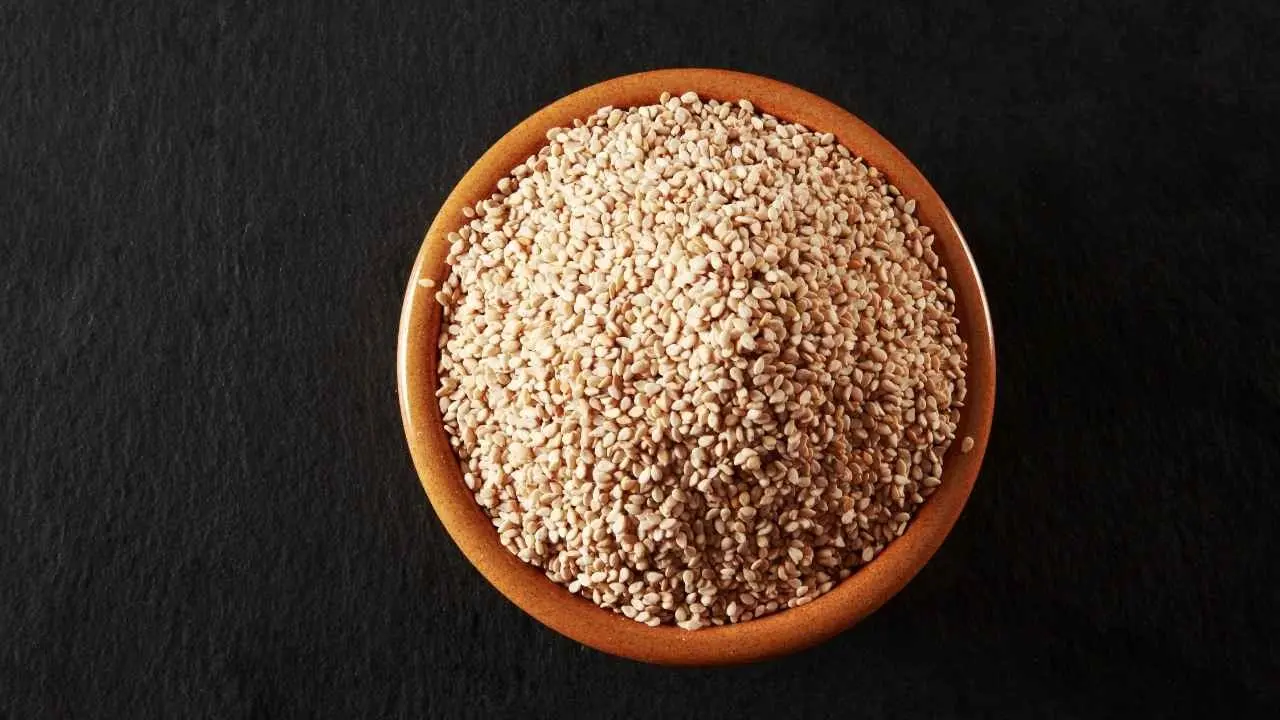
Discover the Calcium Benefits of Sesame Seeds: More Than Milk
When it comes to calcium sources, milk often tops the list. Traditionally viewed as the key provider for strong bones and teeth, recent studies reveal that certain plant foods, including sesame seeds or til, actually offer more calcium by weight.
Small in size, sesame seeds are rich in vital nutrients and have been a staple in diets across Asian, Middle Eastern, and Indian cultures for centuries. Their nutritional profile and myriad health benefits are once again drawing attention from health professionals.
The High Calcium Content of Sesame Seeds
While milk is a known calcium supplier, sesame seeds boast a much denser mineral content. Just a tiny portion of these seeds holds significant calcium, making them an excellent alternative for those who abstain from dairy.
For vegetarians, vegans, or anyone with lactose sensitivity, sesame seeds offer a natural solution to fulfill daily calcium requirements.
Strengthening Bones and Teeth
An outstanding benefit of sesame seeds is their role in supporting bone and tooth wellness. Calcium is essential for maintaining robust bones, particularly as we age.
Additionally, sesame seeds are rich in magnesium and phosphorus, which work alongside calcium to enhance bone strength, benefiting individuals of all ages.
Promoting Heart Health
Packed with healthy fats, sesame seeds contribute positively to heart health by aiding in the balance of cholesterol levels. Regular consumption of these seeds in small doses can help lower bad cholesterol and boost overall cardiovascular function.
Moreover, the natural components of sesame seeds promote smooth blood circulation and support healthy vasculature.
Enhancing Digestion
Thanks to their high fiber content, sesame seeds play a crucial role in aiding digestion. Fiber prevents constipation and ensures regular bowel movements.
Integrating sesame seeds into your meals can activate and maintain a healthy digestive tract, also supporting beneficial gut bacteria.
Energy-Boosting Properties
These tiny seeds are a natural source of energy, containing healthy fats, proteins, and minerals that combat fatigue and weakness.
For those experiencing low energy, particularly during colder months or after long workdays, consuming sesame seeds can be a beneficial strategy.
Supporting Joint and Muscle Health
In traditional dietary practices, sesame seeds are often recommended for joint and muscle care, particularly in colder climates. The mineral content aids in maintaining joint flexibility and robust muscle function.
People suffering from stiffness or muscle tension may find sesame seeds advantageous when consumed regularly.
Benefits for Skin and Hair
Rich in antioxidants and healthy fats, sesame seeds help keep skin hydrated and well-nourished, particularly during dry seasons.
For hair health, these seeds provide nourishment to the scalp and bolster hair strength, with regular consumption helping to minimize nutrient deficiency-related hair fragility.
Immune System Support
With zinc and antioxidants, sesame seeds contribute to a robust immune system, ensuring the body can effectively combat infections and recover from illness.
Incorporating sesame seeds into a balanced diet can enhance the body's natural defense mechanisms.
Weight Management
Despite their fat content, sesame seeds can assist with weight management when consumed in moderation. The fiber and protein help maintain satiety, reducing the desire for frequent snacking.
Thus, they can be a nutritious addition to meals without contributing to weight gain.
Creative Ways to Enjoy Sesame Seeds
Sesame seeds are easy to incorporate into your diet. Lightly roasting them and topping salads, vegetables, or homemade snacks is a great option. They can also be mixed into warm dishes or sprinkled over other meals.
Soaking sesame seeds before consumption may aid in digestion and enhance nutrient absorption.
A mere one to two teaspoons daily can provide significant health benefits.
Precautions to Consider
Individuals allergic to sesame seeds should avoid them completely.
Those with sensitive digestive systems may want to introduce sesame seeds gradually and monitor their reactions.
As always, moderation is key.
Despite their small size, sesame seeds offer immense health advantages, including higher calcium content than milk. They promote bone strength, heart health, digestion, immunity, energy, and enhance skin and hair care.
Incorporating sesame seeds into your daily meals can be a simple and natural way to elevate overall health. Listening to your body and achieving balance are pivotal for optimal outcomes.
For countless individuals, sesame seeds are more than just a traditional ingredient; they are a potent nutritional ally worth including in everyday diets.
Disclaimer
This article is designed for general informational purposes only. Its content is based on commonly available nutrition knowledge and traditional dietary practices. It is not a substitute for professional medical advice, diagnosis, or treatment. Individual health needs and food reactions may vary. Readers are encouraged to consult a qualified healthcare provider or nutrition specialist before making significant dietary changes.