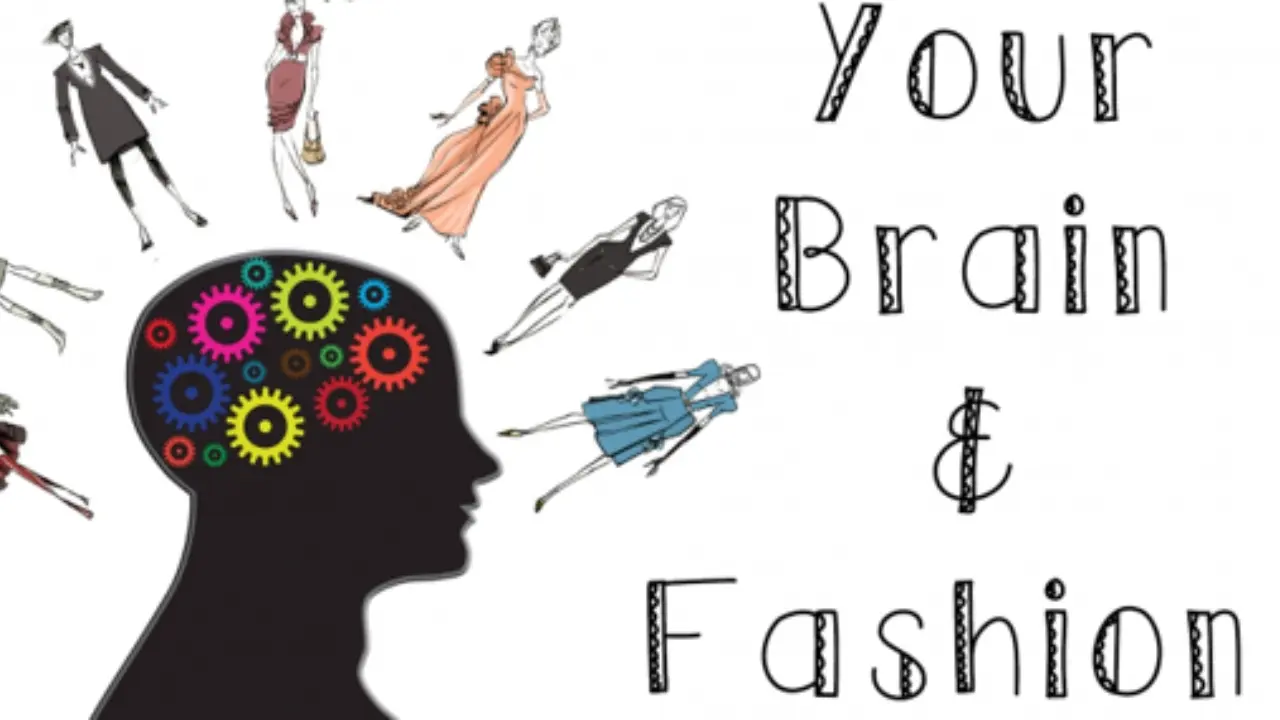
Fashion is often regarded as trivial, yet it reveals profound insights into human behavior. While some claim their choices stem from comfort or utility, the reality is that our clothing reflects complex emotional and psychological drivers. Garments are selected not randomly but stem from a myriad of subconscious influences that dictate how we want to be perceived socially.
Understanding the psychology behind fashion goes beyond trends and textiles; it encompasses deep-seated human instincts.
A Wordless Language of Fashion
Humans are inherently social, and before the evolution of language, appearance served as a primary mode of communication. Fashion evolves into a non-verbal dialect that covertly conveys status, identity, safety, and community.
Today, clothing acts as an instinctual language. Within moments of interaction, people make judgments about competence, confidence, or creativity based on attire—these assumptions are quick, often inaccurate, but instinctive.
What individuals crave from fashion is the ability to influence perceptions even before speaking a word.
Desiring Connection Amidst Fear of Exclusion
At its essence, fashion addresses our fundamental longing for belonging.
Humans are acutely aware of social inclusion; the right attire signifies a connection to specific groups—be it cultural, professional, or ideological. Adhering to sartorial norms reduces the risk of social rejection.
Thus, trends proliferate rapidly; it’s seldom appreciation for design but rather an assurance of social harmony that drives conformity.
What people genuinely seek is security through conformity.
Expressing Uniqueness Within Community
Simultaneously, there lies a human desire for individuality. The push and pull between differentiation and conformity fuels much of fashion's vitality.
Individuals wish to feel unique—without alienation. Fashion allows for subtle self-expression within accepted parameters, enabling personal flair while avoiding overwhelming attention.
This clarifies why extreme styles seldom achieve mainstream acceptance—most individuals prefer to be understood rather than misinterpreted.
Fashion exemplifies the balance between personal expression and social acceptance.
Clothing as Protective Gear
Attire often mirrors desired emotions rather than current feelings.
During turbulent times, people gravitate toward protective fashion—structured cuts and darker colors provide a sense of control. Conversely, confidence inspires a shift toward fluid silhouettes and vibrant hues.
Fashion thus functions as emotional regulation, dressing the psyche as much as the exterior.
Implicit Status Symbols
Status remains a crucial psychological factor, even in societies that distance themselves from hierarchy.
Individuals may shun lavish displays of wealth but subtle indicators still prevail. Fit, quality, and familiarity with style codes indicate social positioning.
Surprisingly, overt luxury often signals insecurity more than status; those confident in their place tend to express status more discreetly.
What individuals seek is not superiority but rather the avoidance of feeling inferior.
Fashion Shapes Identity
Identity continuously evolves, and fashion provides a method to explore emerging selves.
Transitions in life—career changes, aging, or emotional shifts—often inspire sartorial updates. Clothing aligns outer appearances with shifting internal identities.
When individuals state they feel "more themselves" in certain outfits, it’s not the fabric itself but rather the alignment of self-concept.
Fashion grants permission to embody the person they are aspiring to become.
The Comfort of Familiarity
Comfort in fashion extends beyond physical sensations to psychological reassurance.
People often revert to familiar styles, colors, or cuts linked to times of stability. A beloved jacket or a trusted palette can fortify safety during uncertainties.
In chaotic moments, individuals often choose conservative styles, not out of disdain for novelty, but as their minds seek predictability.
Dressing for comfort represents emotional self-preservation.
The Toll of Trends
Trend fatigue has become increasingly prevalent; psychology explains the friction.
Trends necessitate perpetual adaptation, pressuring individuals to refresh their appearances to maintain relevance, leading to anxiety for many.
Consequently, a shift towards personal consistency is underway, signifying a desire not to abandon fashion but to reclaim autonomy.
What people yearn for is stability in self-image, devoid of constant reinvention.
Fashion as a Narrative
Clothes harbor memories.
Specific pieces gain emotional significance, symbolizing relationships, achievements, and transitions in life. Many items are retained long after their practical wear.
Decluttering often provokes emotion, for discarding clothing can feel akin to shedding parts of oneself.
Fashion serves as a repository for personal histories.
A Quest for Authenticity
Contemporary consumers have heightened sensitivity to inauthenticity, extending to fashion as well as branding.
People gravitate toward styles that feel genuine, intentional, and grounded. Overly theatrical or forced identities are increasingly rejected.
Authenticity is rooted in coherence—when clothing aligns with actions, context, and values, it resonates.
Individuals seek attire that mirrors who they are, not who they feel pressured to be.
Breaking Free from Fashion Norms
Fashion customs have historically imposed rigid constraints. Today's shifts are not merely aesthetic; they signify a longing for autonomy.
People desire liberation from restrictive norms. Gender-fluid styles and relaxed tailoring reflect a wish for boundless movement—physically and emotionally.
This isn’t merely a rejection of tradition, but rather an aversion to limitations.
Fashion serves as a medium for reclaiming personal power.
Aspirational Purchases
A significant yet frequently misjudged aspect of fashion psychology is the phenomenon of aspirational buying.
People frequently acquire garments for envisioned futures—upcoming occasions, moods, or ideal self-images that seem just beyond reach. These acquisitions represent expressions of hope rather than mere shopping errors.
Unworn items possess their own psychological value, symbolizing potential.
What people want often transcends utility; it reflects possibility.
Emotional Reflections in Fashion Extremes
Fashion extremes often serve as reflections of emotional states.
Minimalism may evoke feelings of clarity and control, while maximalism often signals a need for exuberance and visibility.
Neither stance holds superiority; rather, they are responses to internal circumstances rather than design ideologies.
Recognizing this perspective helps to reframe style choices as emotional expressions rather than mere taste preferences.
The Facade of Choice in Fashion
While fashion seems personal, the choices individuals make are often influenced by availability, marketing forces, algorithms, and social exposure.
People believe they are making independent choices, but factors influence their preferences long before decisions are made. This doesn’t negate individual agency but complicates it.
Ultimately, individuals seek not limitless options, but meaningful choices that resonate rather than overwhelm.
The Emotional Toll of Visibility
Being visible can often provoke discomfort.
Fashion subjects individuals to public scrutiny. Every outfit runs the risk of misinterpretation, making many prefer safe choices, even if they are drawn to bolder styles.
What people long for is recognition without the fear of judgment.
Fashion's Enduring Relevance
Fashion endures because it fulfills psychological needs that are constant.
As long as people yearn for connection, identity, control, and significance, fashion will remain pertinent. Its evolution is driven by human psychology.
Fashion transcends surface appearances—it embodies profound significance.
Ultimately, What Fashion Means
At its core, fashion transcends merely impressing others; it relates to navigating internal experiences in a shared world.
People desire:
-
To connect without losing identity
-
To express without feeling exposed
-
To feel secure while still being true to themselves
-
To evolve without risking their core selves
Attire becomes a bridge linking inner experiences to the external world.
Conclusion
Understanding fashion's hidden psychological dimensions reveals that style speaks not just to what people wear but also why they wear it.
Fashion mirrors human vulnerability, desires, fears, and dreams. It serves as a daily mechanism for negotiating identity, emotions, and societal dynamics.
Thus, comprehending fashion boils down to grasping the essence of humanity.
Disclaimer:
This article is intended solely for informational purposes and does not provide psychological, medical, or professional advice.