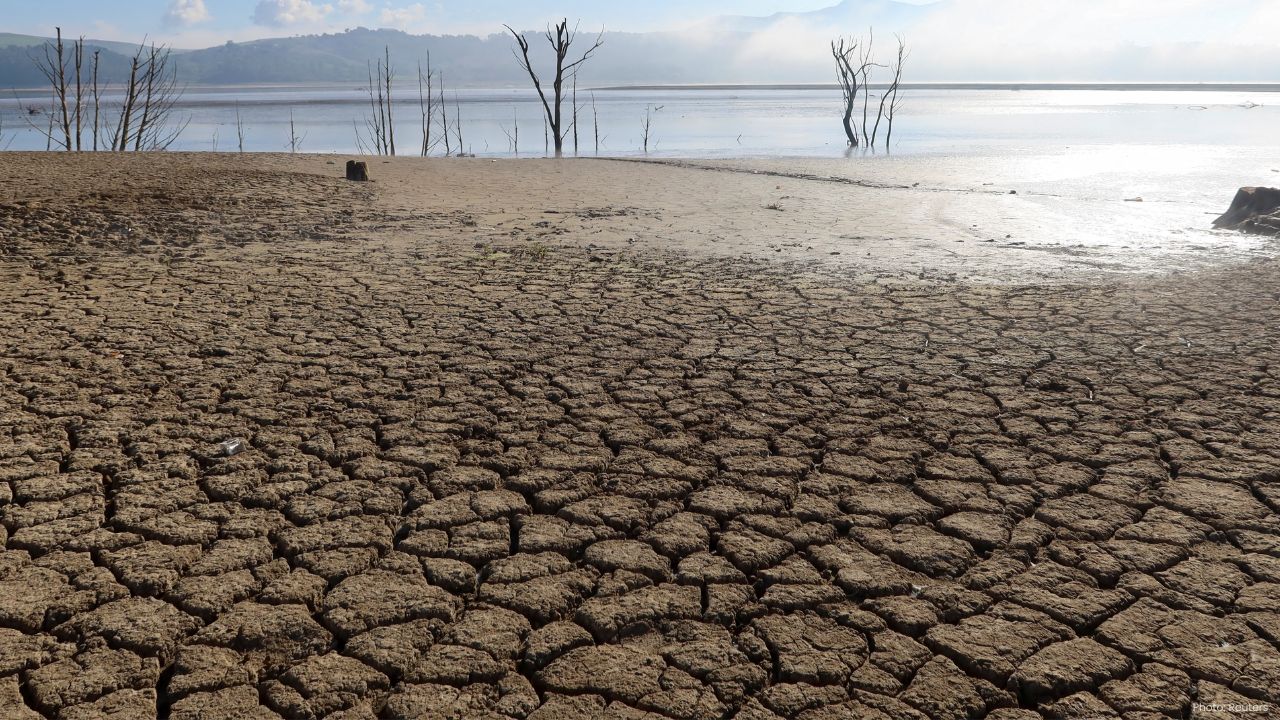
Drought Alert: Low Water Levels Threaten Communities and Farms
Severe drought conditions have swept across multiple regions, causing water levels in rivers, lakes, and reservoirs to drop to alarming lows. This prolonged dry spell is affecting both urban communities and agricultural lands, leaving millions facing water scarcity and threatening food production.
Background of the Drought
Meteorologists have reported below-average rainfall for several consecutive months, intensifying drought conditions across affected areas. Water reservoirs, crucial for supplying drinking water and irrigation, are now operating at critically low levels. In some regions, water levels have dropped by over 40% compared to the same period last year, according to local water authorities.
Experts attribute the drought to a combination of climate change, irregular monsoon patterns, and overuse of groundwater. These factors have collectively reduced water availability, putting stress on both human populations and farming communities.
Impact on Agriculture
Agriculture has been particularly hard-hit. With reduced water levels, farmers are struggling to irrigate crops, and staple crops like wheat, rice, and maize face the risk of significant yield losses. Livestock farming is also under pressure as water for animals becomes scarce.
Officials warn that if the drought persists, food prices could rise due to reduced agricultural output, affecting both local markets and national supply chains. Farmers are being urged to adopt water-saving techniques such as drip irrigation and drought-resistant crops to mitigate losses.
Effect on Communities
Communities dependent on rivers and lakes for daily water consumption are facing water shortages. In urban areas, municipal authorities have begun implementing rationing measures, while rural regions rely heavily on tankers and wells. Access to clean drinking water has become a pressing concern, particularly for vulnerable populations.
Health experts highlight that prolonged water scarcity can increase the risk of water-borne diseases and hygiene-related illnesses. Residents are advised to conserve water, avoid wastage, and use safe storage methods to reduce contamination risks.
Government Response
Authorities have declared the situation a drought emergency in several districts, mobilizing relief measures including water tankers, temporary water storage facilities, and financial aid for farmers. Long-term strategies are being discussed, such as improving rainwater harvesting, modernizing irrigation systems, and regulating groundwater extraction.
Meteorologists predict little rainfall in the coming weeks, suggesting that drought conditions may persist. Water management agencies are urging citizens and farmers alike to adopt strict water conservation measures.
Experts stress that this drought is part of a broader pattern of changing climate conditions, highlighting the urgent need for sustainable water management and climate adaptation strategies.
Disclaimer
The information in this article is for educational and informational purposes only. It is based on available reports and official statements. Readers are advised to follow local authorities’ guidance and updates on water use and drought management.