Photo:AP
A Major Shift in Late-Night Television
After a successful ten-year run, CBS has announced that The Late Show with Stephen Colbert will conclude in May 2026—marking the end of the entire Late Show franchise. The decision, confirmed by multiple executives, is attributed to financial constraints rather than decline in viewership or content quality.
End of a Legacy: From Letterman to Colbert
The Late Show began with David Letterman in 1993, becoming one of the most influential platforms in American late-night history. When Stephen Colbert took over in September 2015, he was already a household name due to his satirical persona on The Colbert Report. Colbert brought a sharper political edge to the show, positioning it as a consistent leader in viewership and a cultural barometer for liberal-leaning audiences.
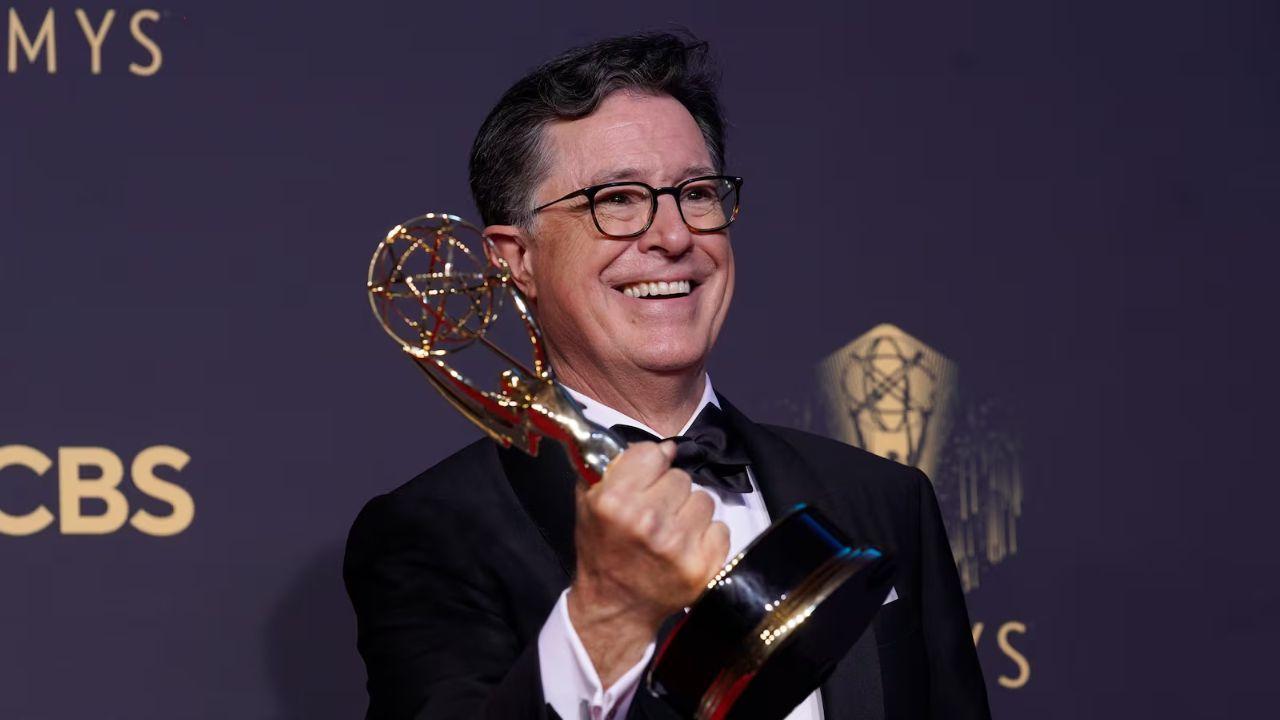
Under Colbert, the show evolved into more than just a venue for celebrity interviews. It became a nightly monologue on the state of American politics, democracy, and media. Colbert’s tenure earned him multiple Emmy nominations, widespread acclaim, and high-profile guests ranging from Barack Obama to Taylor Swift. The show’s blend of satire and substance elevated it above the competition.
Behind the Headlines: Why CBS Is Pulling the Plug
Executives described the move as a “purely financial decision against a challenging backdrop in late night.” While Colbert’s show remained the top-rated broadcast late-night program, CBS’s parent company, Paramount Global, is facing massive restructuring. The network has been under financial strain, dealing with increased production costs, shrinking advertising revenues, and changing viewer behavior.
CBS and Paramount are also in the midst of a complex merger with Skydance Media, a deal estimated at over $8 billion. With such a significant merger looming, cost-cutting across all verticals—including popular programming—has become necessary. Though Colbert’s show remains profitable, the high costs of producing live, nightly content with a full writing and production staff reportedly tipped the scales toward cancellation.
Stephen Colbert’s Reaction and Public Response
Colbert learned of the cancellation shortly before a live taping and revealed the news to the studio audience. Their reaction was instant—boos, gasps, and disbelief filled the room. On-air, Colbert thanked CBS, his team, and the viewers. He added, “I’m not being replaced. This is all just going away,” drawing a melancholy tone over the future of late-night programming.
On social media, the announcement sparked a storm of responses. Fans, celebrities, and political figures alike expressed outrage and sadness. Many highlighted Colbert’s role as a truth-teller during a politically volatile era, praising his fearless commentary and ability to find humor even in the darkest news cycles.
The Economics of Late-Night: What’s Changing
While Colbert was leading broadcast ratings with 1.9 million viewers, he was still trailing behind Gutfeld! on Fox News, which had surpassed 3 million. However, traditional ratings don’t capture digital viewership—a space where Colbert thrived. Clips from The Late Show consistently performed well on YouTube, Instagram, and TikTok, bringing the show's influence to a younger, digitally native audience.
But influence doesn’t always translate to revenue. CBS’s internal metrics reportedly showed rising costs per episode. Writer and production union contracts also required higher minimums, adding to the financial burden. In contrast, producing syndicated sitcom reruns or reality content in the same time slot would save millions annually.
A Broader Industry Trend
Colbert’s exit doesn’t stand alone. CBS earlier canceled After Midnight, a late-night panel show hosted by Taylor Tomlinson and produced by Colbert. NBC and ABC are also rumored to be rethinking their late-night strategies, with streaming-first content increasingly prioritized. Jimmy Kimmel’s contract ends in 2026, and while Jimmy Fallon’s show has seen a modest rebound, there’s growing skepticism about the future of all late-night formats.
Networks are battling on multiple fronts: competition from streaming, decline of appointment viewing, inflation-driven budget cuts, and changing audience preferences. Shows like Colbert’s, which depend on topical humor and a robust staff of writers and researchers, become difficult to sustain without strong ad revenues or syndication deals.
Political Implications and Merger Fallout
Some have speculated that politics played a part in CBS’s decision. Colbert has been an outspoken critic of former President Donald Trump. The announcement came just days after CBS settled a $16 million lawsuit with Trump over a 60 Minutes segment. While CBS denies any correlation, politicians like Adam Schiff and media analysts have raised concerns about silencing critical voices in the wake of mergers and lawsuits.
Moreover, Paramount’s merger with Skydance is under scrutiny for possibly prioritizing shareholder interests over creative autonomy. If late-night shows—often considered watchdogs of political power—are sacrificed for profitability, what message does that send about media independence?
A Look Back at Colbert’s Best Moments
Colbert’s tenure is rich with unforgettable moments:
-
His opening monologue after the 2016 election night.
-
The viral interview with Keanu Reeves discussing life after death.
-
A musical duet with Dua Lipa on climate change.
-
Interviews with whistleblowers, investigative journalists, and even sitting members of Congress.
He was among the first to resume broadcasts during the pandemic, filming from home and continuing to engage audiences nightly.
No Replacement Planned
CBS has announced that The Late Show will not be rebooted or replaced after Colbert’s departure. This marks the end of a 33-year tradition that began with David Letterman. Instead, CBS may opt for cost-effective programming such as reruns, reality shows, or sports coverage, especially as live events continue to drive advertiser dollars.
Viewer Behavior and the Rise of Digital Late-Night
YouTube and TikTok have become dominant forces in delivering comedic takes on news. Former Daily Show correspondents, comedians, and even influencers have found wide reach without the limitations of traditional networks. With declining interest in scheduled TV, networks are failing to convert viral views into tangible revenue.
Colbert's audience followed him online, where millions watched monologues clipped and subtitled across platforms. However, CBS monetized only a fraction of those views compared to YouTube-native creators who earn directly from ad revenues and sponsorships.
What Comes Next for Colbert?
While Colbert has yet to announce future plans, insiders say he’s considering launching a digital-first program or podcast. He is also said to be in talks to return to political satire via streaming platforms, where creative control and distribution are more flexible. With his strong fan base and proven track record, Colbert remains a valuable voice in American media.
A Cultural Touchstone Comes to an End
The cancellation of The Late Show with Stephen Colbert is more than just the end of a show—it’s the closing of a chapter in American entertainment. For over a decade, Colbert was not just a host but a trusted commentator, a comedian who helped millions process political chaos, social upheaval, and national tragedies with insight and humor.
His departure underscores a broader cultural transformation, where television as we knew it is giving way to a fragmented, algorithm-driven ecosystem. But Colbert’s legacy, like that of his predecessor David Letterman, is likely to endure—shaping how satire, sincerity, and storytelling evolve in this next era.
A Farewell to Colbert and the End of an Era
As CBS prepares to dim the lights on The Late Show, it signals a farewell not only to Colbert but to the very model of late-night programming. What was once a vital part of the national conversation is now in retreat—driven by economics, technology, and changing viewer demands.
Colbert’s impact, however, is indelible. He redefined the role of a late-night host—balancing intellect, compassion, and biting satire—and his voice will almost certainly continue to influence public discourse. Whether on a different screen or through a new format, Stephen Colbert’s era is far from over.