Canada is in the grip of an exceptional summer weather crisis: as of July 29, 2025, 98 heat warnings and 215 air quality advisories have been issued nationwide. These alerts span five provinces and one territory for heat, and three provinces plus one territory for air pollution concerns. The combined impact of extreme heat and wildfire smoke is affecting millions, disrupting daily life, and posing serious health risks.
National Heat Risk Overview
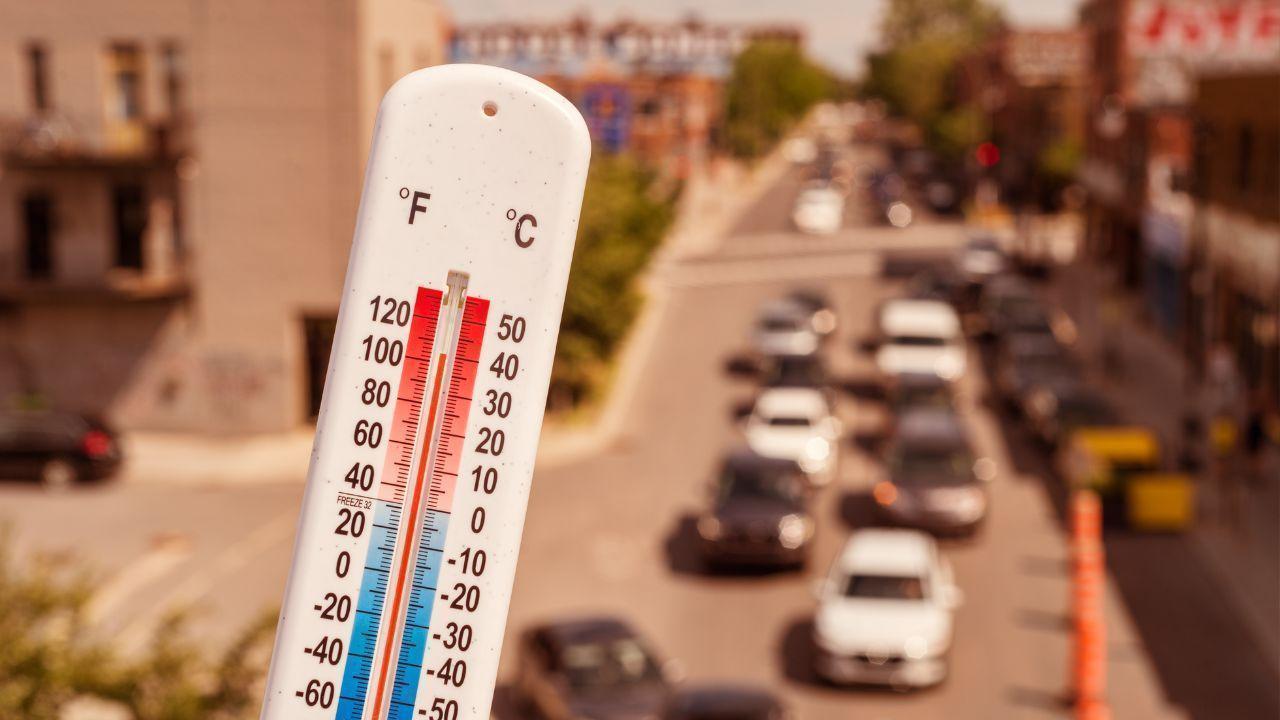
Environment Canada has alerted residents to extreme temperature conditions, with humidex values soaring into the 40s in several regions. Heat warnings cover Atlantic provinces (Nova Scotia, New Brunswick, parts of Newfoundland and Labrador and P.E.I.), Ontario, Quebec, British Columbia interior zones, and the Northwest Territories. Forecasted highs range from 28°C to 38°C, with humidex values often exceeding 36–40, particularly in urban centres like Halifax, Fredericton, Moncton, Ottawa, Toronto, London, and Windsor. Relief is expected as a cold front approaches on July 30 or 31, bringing cooler air and lower humidity levels .
Regional Details
-
Atlantic Canada: Heat alerts extend across southeast New Brunswick and most of Nova Scotia. Daytime highs in Halifax and Fredericton are projected to hit 29–31°C with humidex values around 36–38 .
-
Ontario & Quebec: In Quebec, Gatineau faces forecasts near 31 °C and humidex over 40, while Ontario cities like Ottawa and Toronto are enduring humidex readings between 37 and 42 .
-
British Columbia: Interior and southern regions under heat alerts include parts of the Okanagan, Cariboo, Fraser Canyon, and West Kootenay, where temperatures may reach 34–38 °C .
-
Northwest Territories: Territories including Wrigley, Fort Simpson, Providence, Liard, Ft. Smith and Salt River Reserve are experiencing heat warnings with highs around 29–30 °C, with limited overnight relief .
Air Quality Crisis and Health Impact
Wildfire smoke is exacerbating the crisis in many areas. 215 air quality advisories have been issued across Manitoba, Saskatchewan, Ontario, and parts of the Northwest Territories due to poor air conditions caused by smoke drift from major wildfires. Cities like Winnipeg, Brandon, Flin Flon, Timmins, Moosonee, Kenora, Yellowknife, and others are explicitly under warnings. The AQHI (Air Quality Health Index) is widely used to reflect these risks, often reaching levels classified as "high" or "very high" health risk .
-
Manitoba & Saskatchewan: Smoke-triggered advisories warn all residents—especially vulnerable groups—to limit outdoor exposure due to heightened particulate matter and reduced visibility .
-
Ontario & Quebec: Areas north of major cities including Timmins, Moosonee and Kenora are under advisory. Meanwhile Montreal and surrounding regions are facing heat plus smog alerts, with air quality indexes ranking among the worst globally during peak exposure times .
-
Northwest Territories: Communities like Ft. Liard, Ft. Providence and Ft. Simpson report unhealthy conditions attributable to wildfire emissions .
Health Risks and Advisory Guidelines
The combination of extreme heat and poor air quality increases risks of heat-related illness and respiratory distress. The AQHI system assigns risk levels from “Low” (1–3) to “Very High” (>10), with elevated caution recommended for sensitive populations like children, seniors, pregnant individuals, and those with preexisting conditions .
Heat symptoms include heat exhaustion, cramps, dizziness, and heat stroke—an emergency requiring immediate medical attention. Smoke-related symptoms range from sore throats and headaches to wheezing and chest tightness. People are advised to stay indoors, use air purifiers or high-efficiency HVAC filters, and remain hydrated. Aerosol masks like N95 may help reduce exposure when outdoors .
Impact on Daily Life & Community Measures
-
Schools and camps across provinces are adjusting schedules—shifting activities indoors, limiting physical exertion, or cancelling outdoor sessions, especially where air quality warnings persist .
-
Public transit initiatives like transit fare reductions during smog days (e.g., Laval’s $1 bus fare) aim to cut private vehicle usage and reduce pollution exposure .
-
Visibility issues, especially in fog or smoky conditions (notably in regions of Alberta and BC), have prompted travel advisories with near-zero visibility risks on highways .
Wildfire Context and Broader Trends
Canada is battling its second-worst wildfire season on record, with over 3.7 million hectares burned—impacting communities, ecosystems, and public health. Smoke from fires in Manitoba and Saskatchewan is drifting into central Canada, Ontario and even into northeastern U.S. states like Maine and New York .
Historic comparisons—such as the 2023 and 2024 wildfire seasons—show that Canada’s air quality can deteriorate rapidly. In some instances, Canadian cities have been ranked among the most polluted globally on platforms like IQAir during peak smoke periods .
Precautionary Steps for Individuals
-
Use official resources like Environment Canada, AQHI, or FireWork for accurate local conditions.
-
Stay indoors if air quality is poor, keeping doors and windows closed; use air purification or HVAC filters rated MERV 13 or higher.
-
Limit strenuous outdoor activities—especially during midday heat peaks or when AQHI is high.
-
Hydrate frequently, wear lightweight breathable clothing, and rely on shade or indoor cooling spaces.
-
Watch for symptoms—heat exhaustion or respiratory distress—and seek medical help if they arise.
-
Protect vulnerable individuals (children, elderly, health-compromised) by keeping them indoors, with limited activity.