Canada Swelters Under Prolonged Heat Wave: The Scope of the Warnings
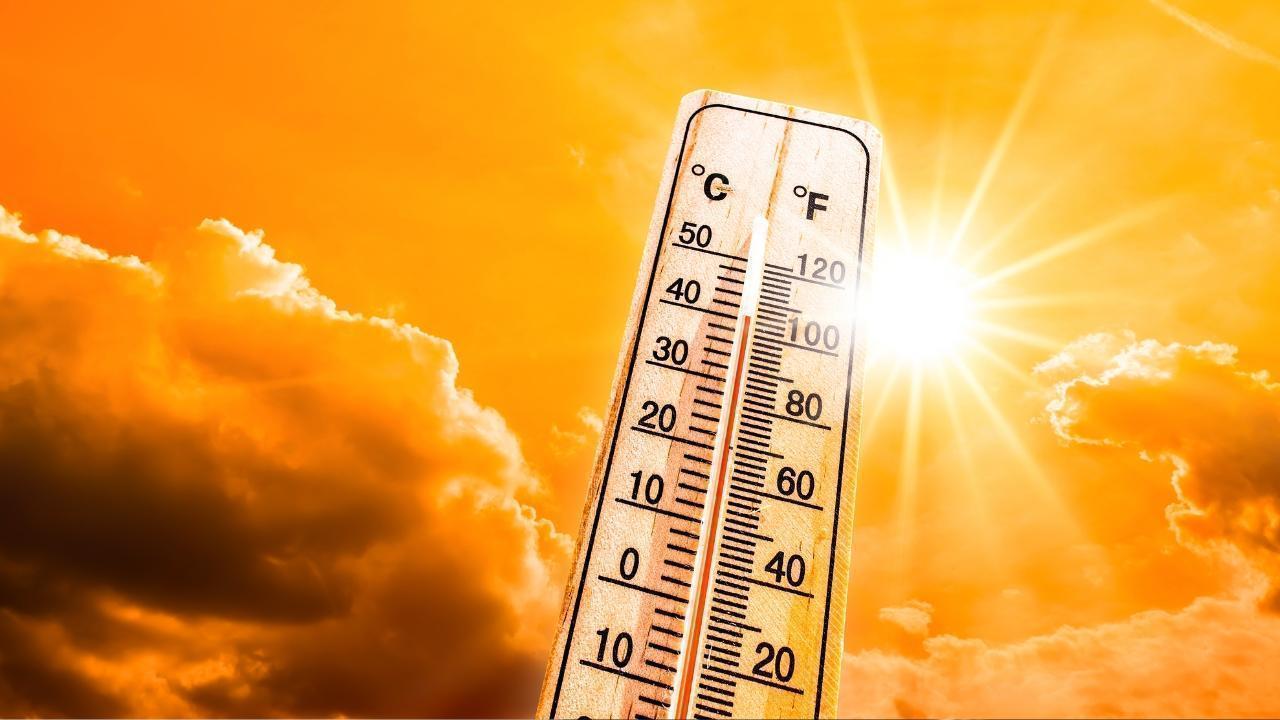
From bustling urban centers in Ontario to the Atlantic shores of Newfoundland and even into parts of the Northwest Territories, Canadians are grappling with an intense, persistent heat wave that has triggered widespread warnings from Environment Canada. As daytime highs approach 30 °C and humidex values surge past 40 °C in several regions, public health officials and meteorologists alike are raising the alarm. What may seem like a typical summer heat spell is in fact part of a broader pattern of increasingly severe weather conditions driven by climate change.
Environment Canada has extended heat warnings across a large swath of the country, citing elevated risks to human health, power grids, water resources, and the environment. Cities and rural areas alike are under siege by extreme heat, with limited relief in sight. While some southern regions of Ontario have recently seen their warnings lifted, most provinces east of Manitoba continue to bake under stifling conditions.
This report delves deeply into the ongoing heat wave—its causes, consequences, regional breakdowns, health concerns, and what Canadians can do to protect themselves and their communities in a warming world.
Understanding Environment Canada's Heat Warnings
Environment Canada's heat warnings are issued when forecasted conditions pose an elevated risk of heat-related illnesses. These warnings are not arbitrary—they’re guided by rigorous data modeling, meteorological analysis, and public health thresholds. The warnings come into effect when:
-
Daytime highs are expected to exceed 30 °C for two or more consecutive days
-
Nighttime lows remain above 20 °C
-
Humidex values exceed 40 °C
The goal is to inform the public early and give vulnerable populations time to take precautions. When heat events are accompanied by poor air quality—due to factors like smog or wildfire smoke—the risks are compounded, and the urgency of public response increases.
Geographic Spread of the Heat Wave: Province-by-Province Analysis
Ontario
In Ontario, major urban centers including Ottawa, Kingston, and parts of eastern and central regions remain under heat warnings. The cities have recorded temperatures exceeding 30 °C, with humidex levels between 35 and 42 °C. Power companies report peak energy demands as air conditioners work overtime to keep indoor environments bearable. Municipalities have opened cooling centers, distributed bottled water, and adjusted outdoor event schedules to limit public exposure to extreme heat.
Though cities like Windsor and Toronto have recently been removed from the warning list, they are still seeing high temperatures with elevated humidity. The break in heat is marginal, and public health officials continue to advise residents to remain cautious.
Quebec
Quebec is also under significant stress from this weather event. Montreal, Gatineau, Quebec City, and several other municipalities are experiencing similar temperature ranges. Nighttime relief is minimal, with lows hovering near 22 °C. This lack of nighttime cooling exacerbates the heat stress on the human body and the environment. In addition to heat, many parts of southern Quebec are contending with elevated smog levels. The heat traps air pollutants near the ground, making air quality dangerous for people with respiratory issues.
Atlantic Canada
In New Brunswick, Nova Scotia, Prince Edward Island, and Newfoundland and Labrador, the heat is less intense than in central Canada but remains significant due to elevated humidity levels. Halifax and Moncton are experiencing highs in the upper 20s with humidex levels reaching mid-30s. The Atlantic Ocean often moderates temperature extremes, but the accompanying high humidity is making nights uncomfortable and reducing the body’s natural cooling mechanisms. Some areas are also seeing a lack of wind, further amplifying discomfort and risk.
Northwest Territories
Perhaps most surprisingly, even the southern parts of the Northwest Territories are experiencing unusually high temperatures. Cities like Hay River and Fort Smith are reporting daytime highs near 30 °C—well above seasonal norms. The region’s infrastructure, homes, and public services are not designed for such heat, adding another layer of risk. Wildlife is also being impacted, as prolonged heat can alter migration patterns, feeding behavior, and water access.
The Health Toll: Who’s Most at Risk?
Extreme heat doesn’t affect everyone equally. Certain groups face significantly higher risks during prolonged heat waves:
-
Elderly individuals often have diminished ability to regulate body temperature.
-
Young children, whose thermoregulation systems are not fully developed.
-
People with chronic illnesses, including respiratory or cardiovascular conditions.
-
Outdoor workers, such as construction workers, landscapers, and delivery personnel.
-
Low-income populations, who may lack access to air conditioning or cooling resources.
-
Unhoused individuals, who are often exposed to outdoor temperatures continuously.
Common heat-related illnesses include heat cramps, heat exhaustion, heat syncope (fainting), and heat stroke—the most serious condition, which can result in organ failure or death if not promptly treated. Dehydration is another major concern, especially when combined with alcohol or caffeine consumption, which can accelerate fluid loss.
How Heat Affects the Human Body
When exposed to extreme heat, the body attempts to cool itself through sweating and dilation of blood vessels. However, when humidity is high, sweat doesn’t evaporate efficiently, and body temperature can climb rapidly. Core temperatures above 40 °C can lead to heat stroke, characterized by confusion, lack of sweating, rapid heartbeat, and unconsciousness.
To manage this risk, public health organizations recommend:
-
Staying hydrated with water and electrolyte-balanced drinks
-
Avoiding strenuous activity during peak heat hours
-
Staying indoors or in shaded, ventilated areas
-
Wearing lightweight, light-colored clothing
-
Using fans or air conditioners when possible
-
Taking cool showers or using wet cloths for body cooling
Public Infrastructure Under Stress
The heat wave is also testing the resilience of Canadian infrastructure. Power grids in Ontario and Quebec are experiencing increased load from residential and commercial air conditioning. Some regions have reported localized blackouts and service disruptions, particularly in older neighborhoods with aging electrical systems.
Transit systems are affected too. Prolonged exposure to heat can warp rail tracks, requiring speed reductions on commuter trains. Road surfaces, particularly asphalt, can become soft and damaged. These disruptions pose both logistical and safety issues.
Hospitals and emergency services are preparing for a potential uptick in heat-related emergencies. Health departments have distributed updated protocols for diagnosing and treating heat illness, especially in emergency rooms.
Environmental Impacts: Water, Wildlife, and Agriculture
Extreme heat doesn’t only affect people. It also threatens ecosystems and food security.
-
Water sources: Rivers and lakes are seeing elevated temperatures, which can reduce oxygen levels and harm aquatic life. Fish kills have already been reported in some areas.
-
Wildlife: Animals are modifying their behaviors—feeding at night instead of day, relocating habitats, or facing increased mortality rates.
-
Forests and vegetation: Drought-like conditions, accelerated by heat, increase fire risk and stress on plant life.
-
Agriculture: Farmers are facing difficult growing conditions. Crops like lettuce, spinach, and broccoli suffer in high heat, while livestock require additional care, hydration, and shade.
Mental Health Considerations
It’s important to remember that heat also takes a toll on mental well-being. Sleep disruption from warm nights, irritability, fatigue, and anxiety can become more common. For individuals already coping with mental health conditions, the strain of extreme temperatures can exacerbate symptoms.
Community support systems, mental health hotlines, and public cooling spaces can all help mitigate the psychological burden of heat events.
Climate Change and the New Normal
This heat wave is not a fluke. It aligns with the broader trend of climate change, which is amplifying both the intensity and frequency of extreme weather. Canada is warming at twice the global rate, and summer heat events are becoming longer and more severe.
Scientists warn that what we are experiencing in 2025 may soon become an average summer. As greenhouse gas emissions continue, the global climate system destabilizes further, making heatwaves more likely and more destructive.
Climate attribution studies from past events already show that the majority of heatwaves in recent decades were made more likely or more intense by human-caused climate change. This underscores the urgency of climate action—both to mitigate future warming and to adapt infrastructure, health systems, and emergency response for the new climate reality.
Government Response and Preparedness
Municipalities and provinces have activated emergency heat protocols. These include:
-
Opening of cooling centers in public libraries, community centers, and arenas
-
Deployment of outreach teams to check on the elderly and vulnerable
-
Water distribution campaigns in high-risk neighborhoods
-
Messaging on social media, television, and radio regarding safety tips
Some cities have even launched phone trees—where volunteers check in with vulnerable residents—to ensure no one is left behind during dangerous heat conditions.
The federal government, meanwhile, continues to invest in climate adaptation initiatives. This includes funding for greening urban spaces, upgrading power grids, and supporting public health outreach.
Public Vigilance and Individual Responsibility
While government agencies can coordinate response and issue warnings, individual responsibility plays a crucial role. Every Canadian has a role to play in protecting themselves and others:
-
Check on neighbors and family, especially those who live alone or have health conditions.
-
Limit energy use when possible, particularly during peak hours.
-
Report symptoms of heat illness early—many cases can be treated effectively if caught quickly.
-
Stay informed via official Environment Canada updates and municipal advisories.
-
Use common sense—if the air feels stifling, it’s best to stay inside or take regular breaks in a cool area.
Looking Ahead: When Will Relief Come?
Weather models suggest that the heat wave may slowly recede over the next 7–10 days in some regions. A passing cold front could bring thunderstorms, offering temporary relief. However, meteorologists warn that this is likely only the beginning of a hot summer. More heat events may follow into August and even September, especially if the current weather patterns persist.
Long-term forecasts indicate a hotter-than-normal season across most of southern Canada. With the El Niño effect continuing to influence global temperatures, 2025 may challenge or surpass previous heat records.
A Call to Adapt and Act
This unprecedented heat event stretching across Ontario, Quebec, Atlantic Canada, and the Northwest Territories isn’t just weather—it’s a wake-up call. It shows how interconnected our health, environment, and infrastructure truly are. More importantly, it reflects the real-world impacts of a warming planet on everyday life.
Heat waves like this one demand both short-term responsiveness and long-term thinking. Canadians must prioritize community health, modernize urban infrastructure, and take climate adaptation seriously. Extreme heat is no longer an outlier—it’s part of a new reality.
The decisions made today will determine how well we can live with tomorrow’s climate. And for now, staying cool may be the most important—and most powerful—act of resilience.