The year 2025 has been determined as the globe's third warmest year on record, as reported by climate scientists from the European Union. New insights reveal the Earth's temperature continues to warm at a concerning rate, edging closer to perilous climate thresholds highlighted by scientists over recent years.
Researchers from the European Centre for Medium-Range Weather Forecasts indicate that the past three years represent the hottest recorded period. Though 2025 was marginally cooler than 2023, the variance was negligible. Only 2024 surpassed it in heat, marking this time frame as the warmest chapter in contemporary history. The UK's meteorological agency corroborated these findings using temperature analysis dating back to 1850.
A significant revelation is that average global temperatures have remained over 1.5 degrees Celsius above pre-industrial levels for three consecutive years. This is noted as the longest duration this threshold has been eclipsed. The 1.5-degree mark is crucial, as exceeding it elevates the risks of severe and sustained impacts on both nature and human populations.
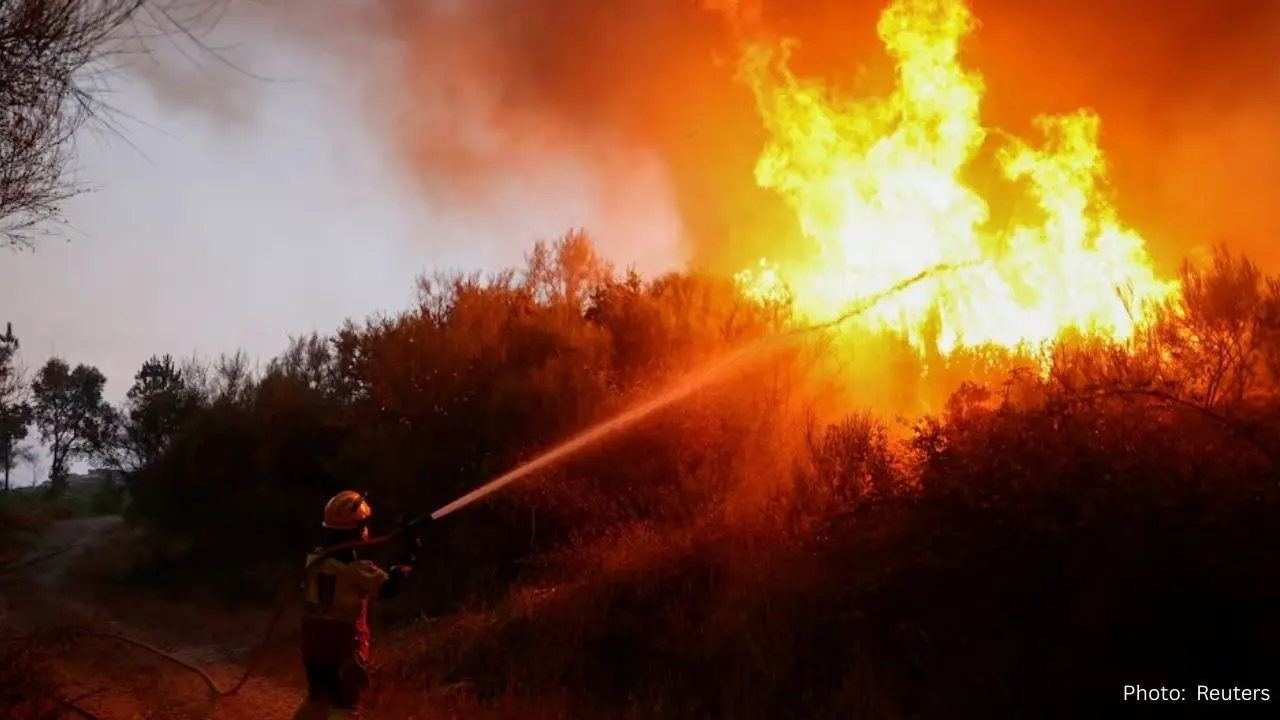
Experts clarify that reaching 1.5 degrees doesn’t imply an abrupt tipping point; however, any incremental increase exacerbates extreme weather phenomena. An increase in scorching heatwaves, more intense storms, severe floods, and prolonged droughts is becoming increasingly prevalent. In 2025 alone, Europe experienced unprecedented wildfire emissions while ferocious storms and fatal floods struck the Caribbean and South Asia, leading to substantial loss of life.
This warming trend extends to polar regions as well. Sea ice levels in the Arctic and Antarctic dropped to their historically lowest levels in February. The melting ice contributes to rising sea levels that threaten coastal populations across the globe.
Governments pledged under the 2015 Paris Agreement to strive for global warming limits below 1.5 degrees Celsius in the long term. However, experts caution that this threshold may be breached before 2030 due to insufficient reductions in greenhouse gas emissions. The continued burning of coal, oil, and gas disperses considerable quantities of gases that trap heat in the atmosphere.
Climate specialists assert that the world faces an inescapable challenge. Even with immediate emission reductions, some degree of warming past the 1.5-degree benchmark is anticipated. The pressing concern lies in the extent of warming that will occur and how effectively nations prepare to safeguard communities, urban areas, food security, and natural ecosystems.
Despite broad scientific consensus on the urgency of climate change, political opposition has intensified in certain nations. This trend has alarmed researchers who warn that disregarding scientific evidence will only exacerbate future devastation and expenses.
The data is uncompromising: the planet is heating quicker than projected, and the ramifications are actively being observed. Immediate global cooperation is crucial to reduce emissions, adapt to rising temperatures, and mitigate consequences for succeeding generations.