Education: From Opportunity to Financial Pressure
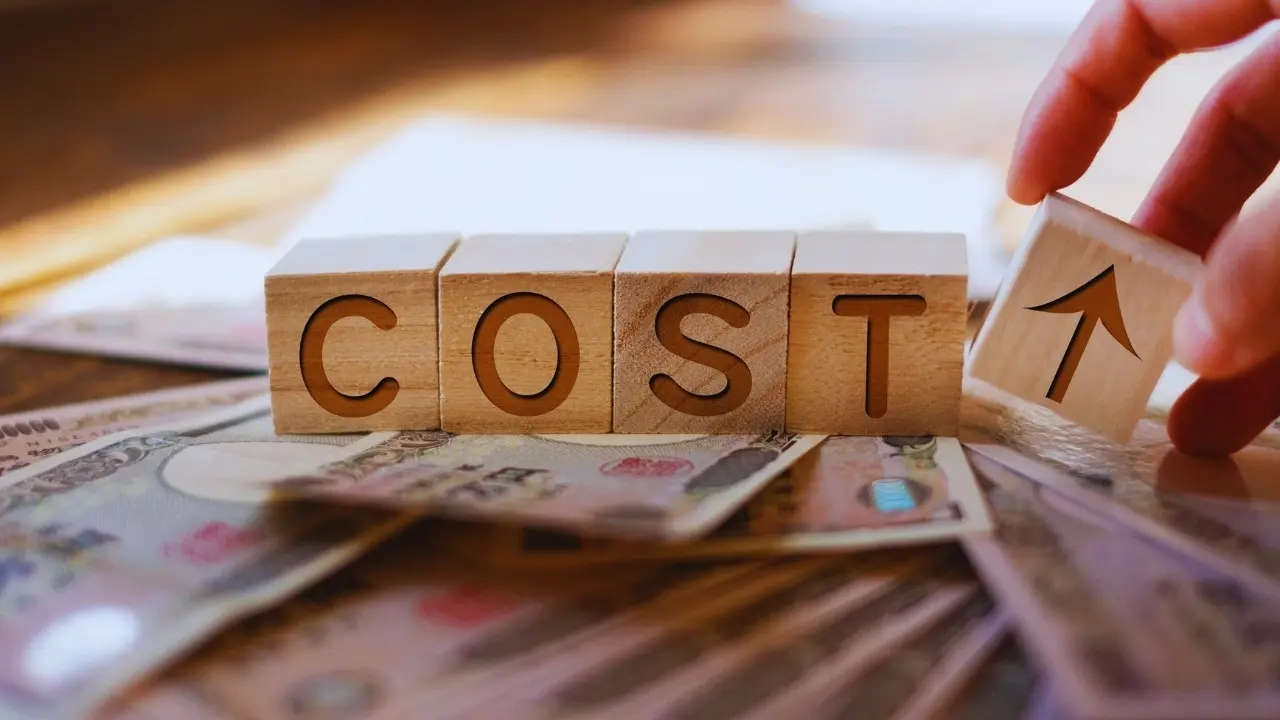
For decades, education has been seen as the most reliable path to upward mobility. Parents across the world have been willing to stretch budgets, make sacrifices, and even take on debt to secure better educational opportunities for their children. But in recent years, a troubling pattern has emerged: education costs are rising at a pace that far outstrips income growth.
This shift is no longer limited to elite universities or private schools. From early childhood education to higher studies, costs are climbing across the board. At the same time, wages for large sections of the population have remained stagnant or grown only modestly. The result is a growing financial strain that is reshaping how families think about education itself.
The Rising Price Tag of Learning
Education today involves far more than basic tuition fees. Schools and universities now bundle a wide range of costs into the learning experience—technology fees, extracurricular charges, activity costs, examination fees, transport, accommodation, and specialised training.
In many countries, private education has expanded rapidly, often filling gaps left by underfunded public systems. While private institutions promise better infrastructure and outcomes, they also drive up overall education costs. Even public institutions, once considered affordable, are increasingly charging higher fees to compensate for budget constraints.
What was once a manageable expense has, for many families, become a long-term financial commitment comparable to buying a home.
Why Incomes Are Failing to Keep Up
While education costs have surged, income growth has lagged behind. In many economies, wage growth has not kept pace with inflation, let alone the rising costs of services like education and healthcare.
Several factors contribute to this imbalance. Automation and technological change have reshaped labour markets, suppressing wages in many sectors. Job security has weakened, with more people working on contracts or in informal arrangements. At the same time, living expenses—housing, transport, food, and energy—have consumed a larger share of household income.
When education costs rise faster than earnings, families are left with fewer options and harder choices.
The Coaching and Supplementary Education Boom
One major but often overlooked driver of rising education costs is the explosion of supplementary education. Coaching classes, test-preparation centres, online courses, and private tutors have become almost essential for competitive exams and academic success.
In countries like India, this parallel education economy has grown into a multi-billion-dollar industry. Parents increasingly feel that formal schooling alone is insufficient, pushing them to spend more on additional instruction.
This creates a cycle where education becomes progressively more expensive—not because curricula demand it, but because competition makes it feel unavoidable.
Higher Education and the Debt Trap
University education, once seen as a gateway to stable employment, has become a major source of debt in many parts of the world. Tuition fees have risen sharply, especially in countries where public funding for higher education has declined.
Student loans now fund education for millions, but repayment burdens often extend well into adulthood. Graduates begin their working lives with significant debt, limiting their ability to save, invest, or take financial risks.
In some cases, the return on investment from higher education no longer feels guaranteed, especially in job markets where degrees do not automatically translate into stable, well-paying employment.
Privatisation and Reduced Public Spending
A key structural reason behind rising education costs is the gradual shift toward privatisation. Governments facing fiscal pressures have reduced spending on public education, transferring more responsibility to households.
Public schools and universities are increasingly expected to generate their own revenue, often through higher fees. While this approach may improve infrastructure in some cases, it also places a disproportionate burden on middle- and lower-income families.
Education, once considered a public good, is increasingly treated as a private investment—one that individuals must finance largely on their own.
The Middle-Class Squeeze
The rising cost of education has hit the middle class particularly hard. Families that earn too much to qualify for subsidies but too little to absorb rising fees are under intense pressure.
Many middle-class households cut back on savings, delay major life decisions, or take on debt to fund education. Over time, this financial stress erodes economic security and increases vulnerability to unexpected shocks.
For some families, the promise of education as a ladder to a better life now feels uncertain and financially risky.
Impact on Access and Social Mobility
When education becomes expensive, access narrows. Talented students from lower-income backgrounds face greater barriers, even when scholarships exist. Hidden costs—living expenses, study materials, exam fees—often make education inaccessible despite formal support.
This trend threatens social mobility. If quality education becomes tied closely to income, inequality deepens across generations. Societies risk creating systems where opportunity is inherited rather than earned.
The long-term consequences extend beyond individuals, affecting productivity, innovation, and social cohesion.
Digital Education: Solution or New Cost Layer?
Online education and digital learning platforms were once seen as a way to reduce costs. While they have expanded access, they have also introduced new expenses—devices, internet access, subscriptions, and specialised software.
In many cases, digital education has supplemented rather than replaced traditional systems, adding another layer of cost instead of reducing it. The digital divide means that affordability remains uneven, particularly in rural and low-income areas.
Why the Problem Keeps Growing
Education costs continue to rise because demand remains strong. Parents still believe education is essential for success, and institutions know this. As long as families are willing—or feel compelled—to pay more, prices are unlikely to stabilise.
At the same time, policy responses have been slow and fragmented. Structural reforms in public education funding, teacher pay, and curriculum design take time, leaving households to manage rising costs on their own.
Conclusion: Rethinking the Cost of Learning
The widening gap between education costs and incomes is more than an economic issue—it is a social challenge with long-term consequences. When education becomes financially exhausting rather than empowering, its role in society begins to change.
Addressing this imbalance will require renewed public investment, smarter regulation of private education, and a rethinking of how success is measured beyond expensive credentials. Until then, families will continue to bear the burden of a system where the price of learning rises faster than the ability to pay.
Disclaimer:
This article is intended for informational purposes only. Education costs, income trends, and policy frameworks vary across countries and institutions, and individual experiences may differ.