White Rock Breaks 84-Year Heat Record as Climate Risks Escalate
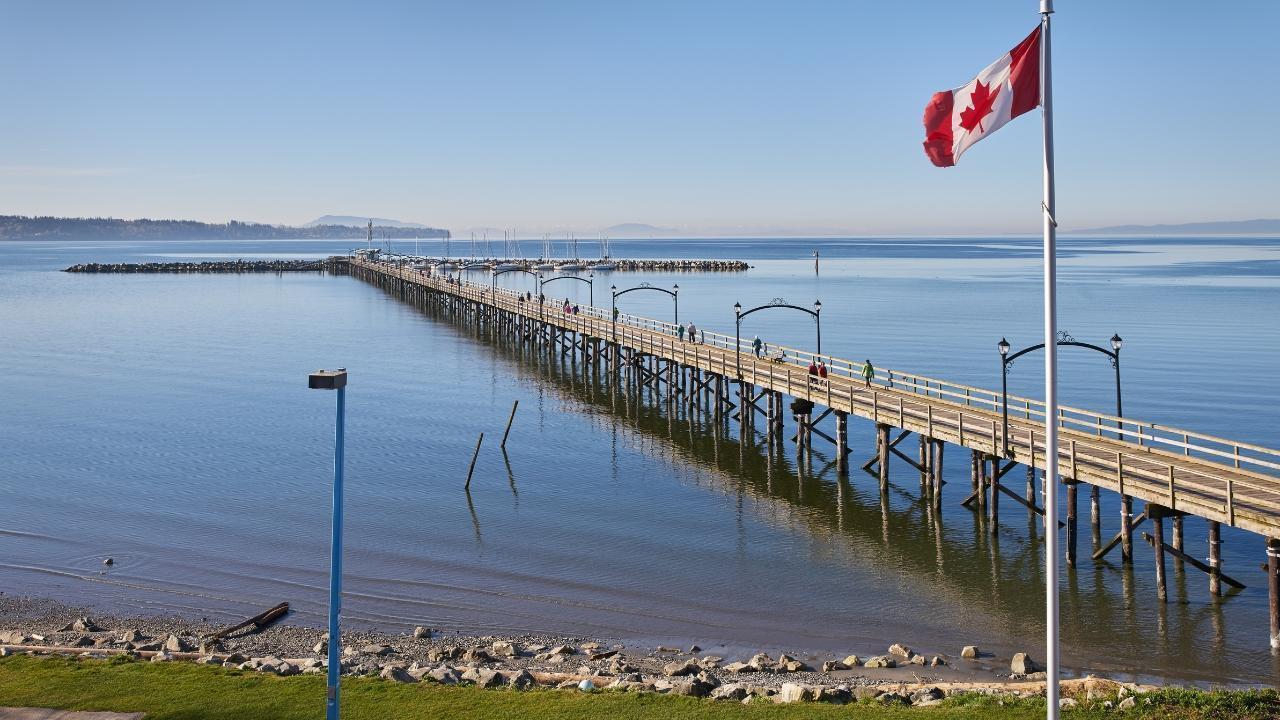
On Tuesday, July 15, 2025, the serene coastal city of White Rock, British Columbia, experienced an unprecedented weather event—temperatures soared high enough to break a local record that had stood untouched for more than eight decades. This 84-year-old temperature benchmark, originally set in 1941, was surpassed by a wide margin, and local authorities now regard the incident as another critical example of intensifying climate instability on Canada’s West Coast.
The impact of this new record extends beyond mere numbers. It underscores an accelerating pattern of heatwaves, unusual weather systems, and mounting pressure on both the environment and public infrastructure. As global temperatures rise, events like this are no longer anomalies—they are indicators of a fundamental shift in our climate system. For the people of White Rock, the day was more than just hot—it was a stark warning of what lies ahead if mitigation and adaptation efforts remain slow.
A Record Smashed: From Historic to Hazardous
White Rock’s new heat milestone reflects more than just a broken number—it reflects shifting climate dynamics. Meteorologists confirmed the temperature exceeded previous highs for that specific July date, toppling the previous record set in 1941. While White Rock is known for its temperate climate and ocean breezes, residents found themselves facing an unrelenting sun, high humidity, and a heat index that felt far more oppressive than typical summer conditions.
Unlike past warm spells, this was not a short, dry burst of heat. It was part of a broader warming trend observed throughout British Columbia over the past decade. Climatologists are increasingly confident that these events aren’t just sporadic outliers—they’re consistent with long-term warming trends triggered by global carbon emissions, urban heat island effects, and changing oceanic patterns.
Human Health and Safety Take Center Stage
Extreme heat events like this one don’t just inconvenience daily routines—they pose a direct threat to public health. Local health authorities issued multiple warnings urging residents to stay indoors, hydrate, and avoid strenuous activity during peak sun hours. Seniors, young children, people with pre-existing medical conditions, and those without adequate shelter or cooling options faced heightened vulnerability.
Hospitals across Metro Vancouver reported an uptick in heat-related illnesses including dehydration, respiratory distress, and even minor strokes. Ambulance crews were dispatched more frequently to aid individuals experiencing exhaustion or heat syncope. Many community organizations activated “heat response teams” to assist those living outdoors or in poorly ventilated buildings.
Cooling centers were set up throughout the city, and some public facilities extended hours to provide refuge from the intense heat. While these efforts were appreciated, several advocates criticized the lack of proactive infrastructure planning to combat what is no longer a rare occurrence.
Climate Change Connection: From Anomaly to Expectation
Though it’s tempting to view this record-breaking day as an isolated summer peak, scientists warn that such heat events are part of a growing global crisis. Climate researchers have warned for decades that global warming would manifest in more frequent and severe weather anomalies, including heatwaves, droughts, and flooding. White Rock’s new high temperature is merely one node in a much larger network of ecological stress.
British Columbia, while historically protected by oceanic moderation, is not immune to climate extremes. The province has endured severe droughts, catastrophic floods, and tragic wildfires over the last ten years. The most alarming part is that many of these events are compounding—dry conditions increase fire risk, while heat worsens air quality and water scarcity.
From Drought to Wildfire: The Domino Effect
B.C.’s Ministry of Forests had already issued drought-level advisories prior to this heat event, and now, concerns have escalated. The lack of sufficient spring rainfall, combined with sustained hot weather, has dried out much of the region’s soil and vegetation. With forests parched and winds picking up along the coast, the stage is set for potentially dangerous wildfire conditions.
While White Rock itself is urbanized and coastal, many of the surrounding rural and suburban areas are heavily forested. This geographic juxtaposition raises fears that one spark could create an uncontrollable blaze. Fire departments across the Lower Mainland are on heightened alert, and some municipalities have already imposed fire bans, closed trails, and increased surveillance in high-risk zones.
Infrastructure Under Strain: Systems Not Built for This
Public infrastructure designed decades ago is struggling to cope with new climate realities. Roads in parts of Metro Vancouver showed signs of buckling under the intense heat. Power grids experienced elevated loads as households cranked up air conditioning. Water consumption spiked, straining municipal reservoirs already running low due to the dry season.
Older apartment buildings and homes, particularly those without central air, became dangerous heat traps. Renters in these buildings, often low-income or elderly, found themselves facing sweltering indoor temperatures well above 30°C. Several tenant advocacy groups have begun lobbying the provincial government for a “right to cooling” clause in housing law, which would require landlords to provide adequate climate control during extreme weather events.
Economic Disruption and Labor Impact
Heatwaves also disrupt local economies. Outdoor construction projects were paused due to unsafe working conditions. Farmers and gardeners faced rapid crop wilt and heat stress on livestock. Restaurants with outdoor patios saw a drop in business during peak daylight hours as customers avoided the scorching sun. Public transit systems, especially older buses and trains lacking modern ventilation, became uncomfortable and in some cases hazardous.
Employees in non-air-conditioned retail or service roles reported feeling faint, leading some businesses to close early or reduce hours. White Rock’s famed beach promenade, usually bustling with tourists and families, appeared eerily empty during the afternoon.
Environmental Feedback Loops: Heat Breeds Heat
One concerning dynamic at play is the positive feedback loop associated with heat and urban development. As temperatures rise, more people use air conditioning. This, in turn, increases demand on power plants—many of which still rely on fossil fuels—leading to greater emissions and, over time, more warming. The cycle is self-reinforcing.
Furthermore, cities like White Rock with significant concrete infrastructure suffer from the “urban heat island effect.” Pavement, buildings, and rooftops absorb and retain heat far more than natural landscapes. This makes urban centers noticeably warmer than nearby rural areas, exacerbating already extreme conditions.
The Psychological Toll of Extreme Weather
Beyond physical health and economic losses, intense heat waves carry a mental health cost. Extended heat disrupts sleep patterns, triggers irritability, and can deepen anxiety—especially among vulnerable populations. Parents worry for their children; the elderly grow anxious about potential power outages; and workers fret over unsafe conditions.
Community mental health hotlines in Metro Vancouver noted increased calls during the peak of the heatwave, many involving heat-induced stress or panic. For those who lived through B.C.’s infamous 2021 heat dome, the memory of that tragic event, which claimed nearly 600 lives, resurfaced in unsettling ways.
Policy Gaps and the Urgency of Climate Action
As temperatures rise and records continue to fall, governments face increasing pressure to not only respond to emergencies but also prepare for a future where such extremes are commonplace. Urban planners, climate scientists, and policy analysts agree on one thing: adaptation alone is not enough. Comprehensive climate mitigation efforts are critical.
This includes reducing greenhouse gas emissions at the provincial and federal level, investing in renewable energy, modernizing building codes, expanding tree cover in urban centers, and funding public infrastructure upgrades. The longer policy lags behind, the greater the cost—in lives, property, and long-term sustainability.
A Community Awakens to the New Reality
For White Rock residents, this latest heatwave is a loud signal that the climate is changing, and quickly. While beachgoers and tourists have long praised the city for its sunny days and oceanfront charm, the community is beginning to reckon with a harsher reality—one where sunshine carries the threat of heatstroke, blackouts, and rising insurance premiums.
City officials have scheduled a special council meeting to review emergency preparedness plans, assess infrastructure vulnerabilities, and discuss long-term climate resilience initiatives. From heat shelters to green-roof subsidies, the conversation is finally catching up with the urgency of the climate.
Conclusion: A Day That Shouldn’t Be Forgotten
The day White Rock broke its 84-year-old heat record will likely be remembered not just for the number on the thermometer, but for what it symbolized. It was a turning point—a moment when the region saw firsthand the real-time impact of climate change. The challenge now is to ensure that it leads to action, awareness, and a commitment to building a safer, cooler, and more resilient future.