As Vietnam gears up for a significant political event, its ruling Communist Party is poised to hold the 14th national congress in January. This event, occurring once every five years, is crucial in determining the country's leadership and the policies that will steer Vietnam's future until 2030. Despite the congress being conducted behind closed doors, its outcomes significantly influence the daily lives of millions across the nation.
Approximately 1,600 delegates representing various regions will gather at the congress. These individuals embody over five million party members. During this gathering, they will elect nearly 200 officials for the Central Committee, one of the most powerful entities in the nation's political landscape. A smaller group, known as the Politburo, is subsequently elected from the Central Committee, typically comprising between 17 and 19 members. It is from this elite group that the general secretary is chosen, who currently wields considerable power in Vietnam.
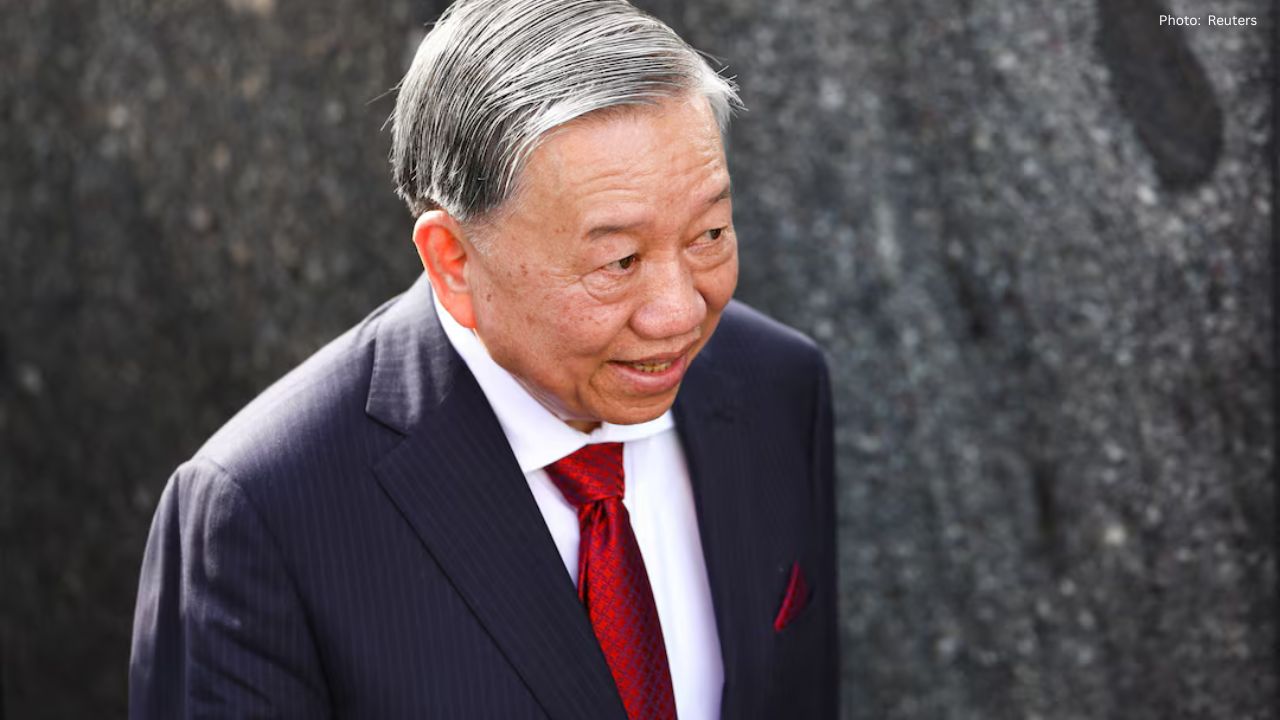
Current general secretary, To Lam, assumed office in July 2024 following the passing of long-serving leader Nguyen Phu Trong. At 68, Lam is seeking re-election. Since his ascension, he has swiftly implemented reforms, heightened security measures, and bolstered the influence of law enforcement. His leadership echoes a dedication to order and control amid global instability and regional strife.
Post-congress, Vietnam will conduct parliamentary elections from March to May, which typically validate the Communist Party's selections. Lawmakers are likely to confirm essential state positions, including the presidency, premiership, and central bank leadership. This progression is designed to uphold the party's dominance over both political and state frameworks.
Vietnam is not anticipated to initiate sudden shifts in its core policies. A system of collective leadership has facilitated stability for numerous decades, established since the late 1980s with economic reforms, Doi Moi, that transformed Vietnam from a war-torn nation into one of Asia’s rapidly growing economies.
In international relations, Vietnam continues to adeptly navigate its ties with major powers like China, the United States, and Russia. This balanced diplomatic strategy enables the nation to safeguard its national interests, while avoiding overt alignments. Despite potential shifts in rhetoric, the fundamental approach of maintaining flexible diplomacy is likely to persist.
Economically, the party aims to bolster private enterprises while ensuring the state plays a guiding role. Vietnam aspires to lessen its reliance on foreign investments while still welcoming advanced technologies. Leaders assert that nurturing strong domestic firms is vital for achieving long-term growth and economic autonomy.
Looking towards 2030, economic growth is pivotal to the party's authority, with ambitions of achieving a minimum annual increase of 10 percent from 2026 to 2030. This projection supersedes previous targets that fell short. The government also intends to augment public investment in infrastructure and development, even if it results in a higher budget deficit, as they believe such spending is essential for supporting growth amidst global trade uncertainties and elevated tariffs.
The outcomes of this congress will shape Vietnam's trajectory for years to come. By establishing new leadership and clear objectives, the Communist Party's goal is to maintain stability, growth, and ongoing control. For Vietnam, this quinquennial gathering transcends mere political routine, serving as a critical juncture that defines the nation's future.