Photo:AP
Historic Turning Point in Gaming Industry Labor Movement
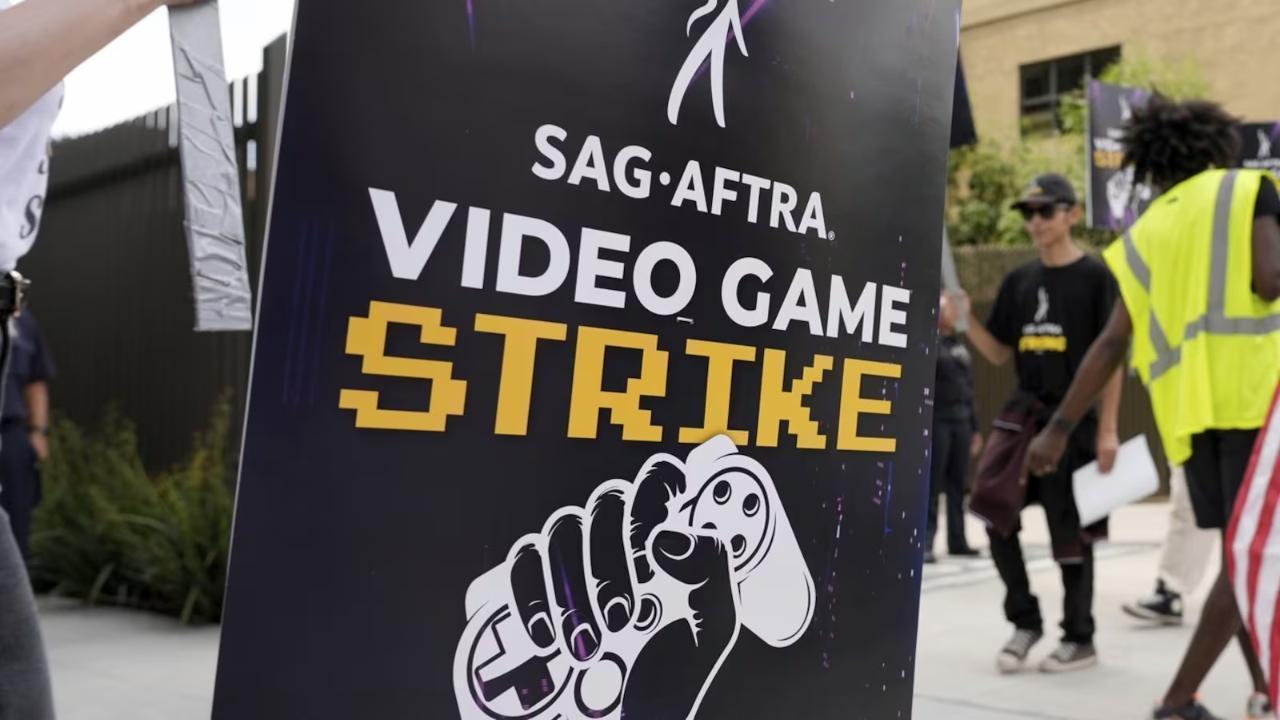
The video game industry is on the brink of a landmark shift as SAG-AFTRA members—representing thousands of voice and motion-capture actors—vote on a proposed new contract with major gaming studios. The tentative agreement, introduced in late June 2025, aims to resolve an 11-month-long labor dispute that centered around artificial intelligence, fair compensation, and performers' digital rights. If ratified, this new contract could establish the first large-scale AI governance framework in video gaming labor relations, setting a precedent not only for gaming but for other entertainment sectors as well.
The vote concludes on July 9, and the stakes are high. For nearly a year, many of the industry’s top projects, including anticipated releases from leading studios, have experienced delays, scaled-back performances, or canceled voice work altogether. The actors’ demand was clear: protect their voices, bodies, and identities from unauthorized AI replication. Now, with a contract on the table offering firm commitments around AI usage, wages, and consent, the performers finally have a chance to reclaim creative control.
Why the Strike Happened: Fears Around AI and Performer Rights
The roots of the strike trace back to mid-2023, when SAG-AFTRA, the largest union representing entertainment performers, began negotiating with video game studios under the Interactive Media Agreement. Voice actors and motion-capture artists increasingly feared that AI could be used to recreate their performances—without compensation or consent.
The union cited incidents where AI had been trained on past performances to generate entirely new dialogue without performers' involvement. Actors worried about becoming obsolete, especially in roles considered minor or easily replicable. After nearly a year of stalled negotiations, the members voted overwhelmingly—over 98%—to authorize a strike in late 2023.
As AI capabilities surged, so did concern. Performers argued that if studios could legally and technologically recreate voices or faces, they could eliminate hundreds of jobs, especially for emerging talent. The union demanded a clear framework for when and how AI could be used in voice work, body scans, and digital likeness.
An Industry on Pause: The Toll of the Strike
The strike had significant ramifications on the gaming industry. Major studios like Activision, EA, Take-Two, and Riot Games saw their production timelines slow down or stall altogether. Titles like Call of Duty, League of Legends, and Grand Theft Auto VI were forced to modify voice lines using pre-recorded material, delay narrative content, or rely on generic placeholders.
At least 160 games operated under interim agreements with the union, allowing limited work to proceed under strict conditions that included some AI protections. However, many independent and AAA projects alike suffered from limited voice acting, affecting the immersive experience gamers expect. Top-tier talent like Ashly Burch, Troy Baker, and Jennifer Hale withheld performances, emphasizing the strike’s widespread impact.
Game developers, too, expressed frustration—caught in the crossfire between creative aspirations and contractual uncertainty. Studios that heavily rely on cinematic storytelling, such as Kojima Productions, faced complete production halts on upcoming narrative titles.
Inside the Tentative Agreement: A New Standard for AI Governance
The proposed contract, if ratified, introduces multiple transformative changes to the way performers are treated in the gaming industry. These include:
-
A 15% immediate wage increase for voice and motion-capture actors, followed by annual 3% raises over the three-year term of the contract.
-
Explicit written consent required for studios to digitally replicate any actor's voice, likeness, facial expressions, or movement using AI.
-
Detailed time tracking and compensation: Any time spent on AI training or replication must be tracked and compensated at full performer rates.
-
Posthumous rights: Consent for AI replication cannot be used indefinitely after an actor's death unless explicitly allowed in writing.
-
Transparency: Studios must provide records on how and when AI-generated content is used, especially when trained on a performer’s voice or likeness.
-
Ongoing collaboration: A dedicated AI committee, consisting of union representatives and industry experts, will continue to update guidelines based on emerging technology.
These provisions address the union’s key concerns and create the first contractual framework in gaming history to tackle AI risks directly. Performers, who were previously left vulnerable to AI exploitation, now have formal leverage and visibility over how their digital personas are used.
Digital Identity in the Age of Generative AI
The agreement also has broader implications beyond wages. It recognizes that an actor’s performance is not just a commodity but an expression of personhood. AI-generated performances—especially those mimicking human emotion and nuance—raise ethical dilemmas. Can a machine truly replicate the subtlety of grief, joy, or rage conveyed by a trained performer?
Under the new contract, these artistic boundaries are protected by legal mechanisms. Actors must be approached for consent before studios use or modify recordings for AI. They are compensated not only for their initial input but for every future iteration derived from it.
This puts the responsibility back on studios to choose between building authentic experiences or relying on synthesized, generic content. More importantly, it gives performers the right to decide how their creativity is used, long after a single recording session ends.
Safeguarding the Future: AI Cannot Replace Human Expression
Ashly Burch, known for her roles in Horizon Zero Dawn and The Last of Us Part II, publicly expressed concern that studios might resort to using AI voices for background characters, eroding the pipeline for up-and-coming talent. This, she warned, would make it harder for future generations of performers to gain experience and climb the ladder.
The contract’s provisions prevent this outcome. Studios must now negotiate usage of AI for even the smallest roles, and pay for every second of performance—synthetic or not. This discourages the mass-replacement of minor characters with AI and instead promotes diversity and opportunity in casting.
These safeguards are especially important as the video game industry evolves into a storytelling powerhouse. Games like God of War, The Witcher, and Final Fantasy depend on immersive, human emotion. Actors are not simply narrators—they are collaborators in world-building.
Union and Studio Perspectives: A Truce, Not an End
Union leadership hailed the agreement as a major victory, calling it a “blueprint for AI labor relations.” However, they were also candid about the challenges ahead. SAG-AFTRA’s national executive director, Duncan Crabtree-Ireland, stated that the deal “does not end the fight,” but lays the foundation for continued vigilance.
On the studio side, representatives from game publishers acknowledged the need to formalize trust. They emphasized that technological progress must come with ethical standards. One executive described the deal as “an opportunity to align creative freedom with technological innovation—while respecting those who bring these worlds to life.”
Yet, questions remain. Will studios uphold transparency? How will enforcement be managed? And as AI evolves, will the protections remain relevant, or need constant revision?
What Happens Next: Looking Beyond Ratification
If the contract is ratified by July 9, the strike will officially end, and actors can resume work immediately. Studios will be able to complete postponed voice acting, motion capture, and narrative recordings. Delayed game titles could meet new release targets, and players may notice a resurgence of in-depth dialogue and rich performances by fall 2025.
But beyond resumption of work, this agreement may influence wider movements in entertainment. The WGA and SAG-AFTRA’s recent Hollywood strikes also centered around AI. The gaming sector—often viewed as the technological frontier—could now become a beacon for how digital rights are negotiated in the arts.
Future negotiations in film, TV, animation, and even virtual influencers may adopt the core principles of this contract. Consent, transparency, and compensation may become the standard pillars of creative protection.
Technological Implications: Can AI and Creativity Coexist?
This deal suggests that AI need not be an enemy to human expression. It can be used responsibly—provided it respects the autonomy of the people who train it. Instead of replacing performers, AI could assist them—enhancing action scenes, dubbing across languages, or preserving voices in long-running franchises.
The contract allows for that nuance. It does not ban AI outright but instead ensures that AI exists within ethical boundaries. By drawing clear legal lines, the performers have helped define what innovation looks like when it coexists with integrity.
Final Thoughts: A Future Defined by Consent and Collaboration
This new agreement represents a landmark moment in the history of creative labor. For the first time, performers in the gaming industry have contractual rights over how AI uses their voices, faces, and performances. They are no longer merely contractors—they are stakeholders in a technological revolution.
If approved, the contract could transform how art is made in the digital age. It’s not just about keeping jobs—it's about recognizing that even as machines evolve, the soul of performance must remain human.