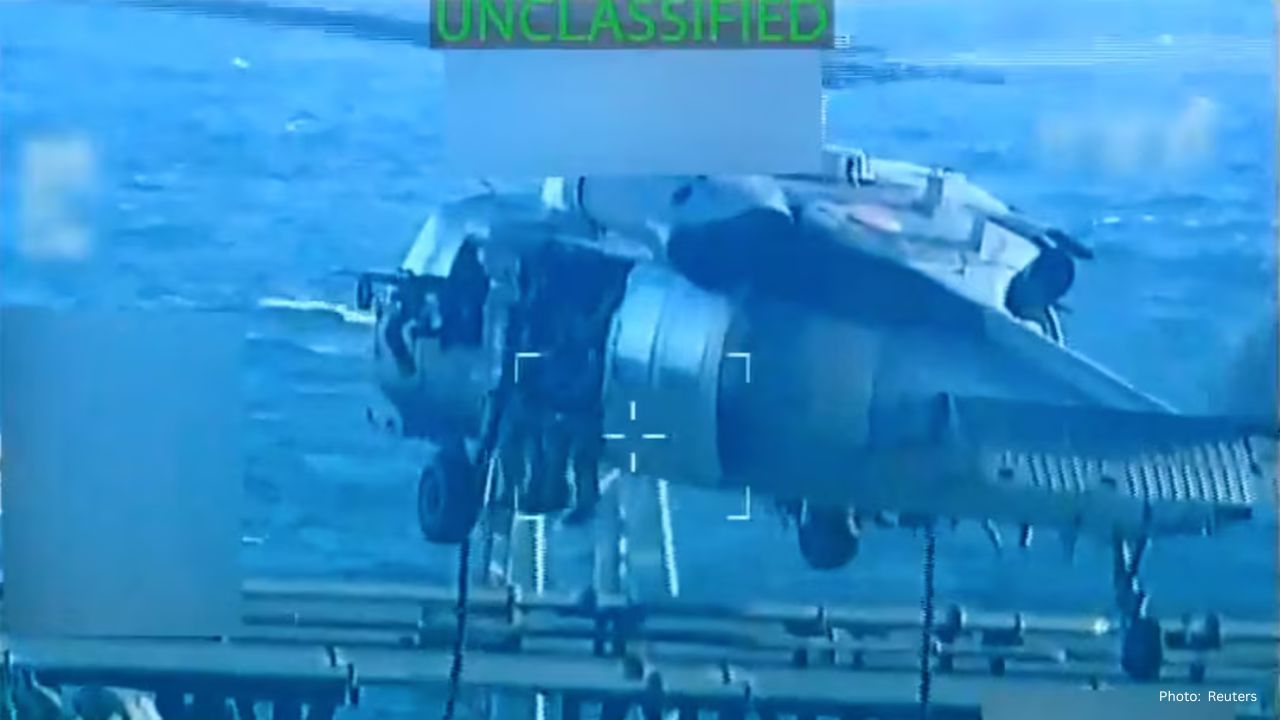
The United States is gearing up to take additional measures against oil tankers leaving Venezuela, following a recent operation in which U.S. forces seized a vessel off the coast. This significant move underscores Washington’s strategic efforts to apply pressure on President Nicolas Maduro while restricting his government's oil revenue.
The ramifications of this action are reverberating throughout global shipping networks and energy markets. Numerous shipowners and operators are reconsidering plans to load or transport Venezuelan crude oil, apprehensive that their ships could become targets.
Escalation of U.S. Strategy
According to sources familiar with the matter, the U.S. has begun compiling a list of more vessels linked to trade violations. The vessel captured this week, named Skipper, is a landmark incident as it marks the first time a Venezuelan oil tanker has been intercepted by U.S. forces. This operation coincided with expanded U.S. military presence in the southern Caribbean and increased monitoring around the coast of Venezuela and Guyana.
President Donald Trump has consistently advocated for the ousting of Maduro, whom the U.S. accuses of corruption and violations of human rights. Targeting oil shipments is perceived as a method to amplify financial strain on a government that heavily relies on crude oil exports for its economy.
Consequences on Oil Exports
The seizure has already disrupted a crucial export route to Asia for Venezuela. Nearly 6 million barrels of Merey crude, the country's principal export, are now in limbo with tankers held offshore, pending further developments.
A trading executive remarked on the immediacy of the situation: "The ships were prepared to head to Asia. Now, everything is paused."
This situation highlights the operations of the so-called "shadow fleet," an assortment of aging vessels with ambiguous ownership that transport oil from embargoed countries like Venezuela, Iran, and Russia to markets such as China. One ship could carry oil sourced from multiple countries under sanctions on different journeys, complicating enforcement efforts.
Future Seizures Anticipated
The U.S. Treasury has recently imposed sanctions on six supertankers involved in Venezuelan oil loading and four Venezuelans, including three relatives of First Lady Cilia Flores. It remains uncertain whether these tankers will also be targeted in the upcoming operations.
Officials have stated that the Justice Department and Homeland Security have been coordinating these actions for months. U.S. personnel are closely monitoring vessels at Venezuelan ports, positioned to act as soon as ships enter international waters. The Skipper is expected to be taken to a U.S. port for legal proceedings and the subsequent seizure of its cargo.
The timing of future operations will rely on port capacity and security considerations. Many shadow fleet vessels are older and poorly maintained, lacking sufficient insurance, rendering them potentially unsafe for significant ports to accept.
Venezuela Denounces ‘Piracy’ Amidst Legal Backdrop
The Venezuelan administration has denounced the seizure as an act of "international piracy." However, legal experts suggest that the term may not apply. Piracy typically involves criminal acts by private individuals, whereas the U.S. action is an operation conducted following legal protocols. A maritime law expert clarified that, in this context, the U.S. seizure does not constitute piracy under the norms of international law, even if it is framed as such politically.
Maduro contends that the increased U.S. military presence near Venezuela represents an intention to destabilize and seize control of the nation's vast oil resources. The U.S. refutes this, maintaining that its focus is on illicit oil trading and what it terms "black market financing" related to rogue nations.
Tensions in the Region
The atmosphere remains fraught. Recent months have seen U.S. operations execute over 20 strikes against suspected drug-trafficking vessels, leading to significant casualties. Some analysts argue these actions may exceed international legal bounds, while the U.S. asserts they are vital for national safety.
With prospects of further tanker seizures looming, uncertainties amplify for both oil markets and diplomatic relations. A significant reduction in Venezuelan exports could exacerbate the already tenuous state of its economy, while also causing broader disruptions to global oil supply lines.
This escalating maritime conflict illustrates the intertwining of Venezuela's political turmoil and international trade, with potential repercussions on the global oil landscape.