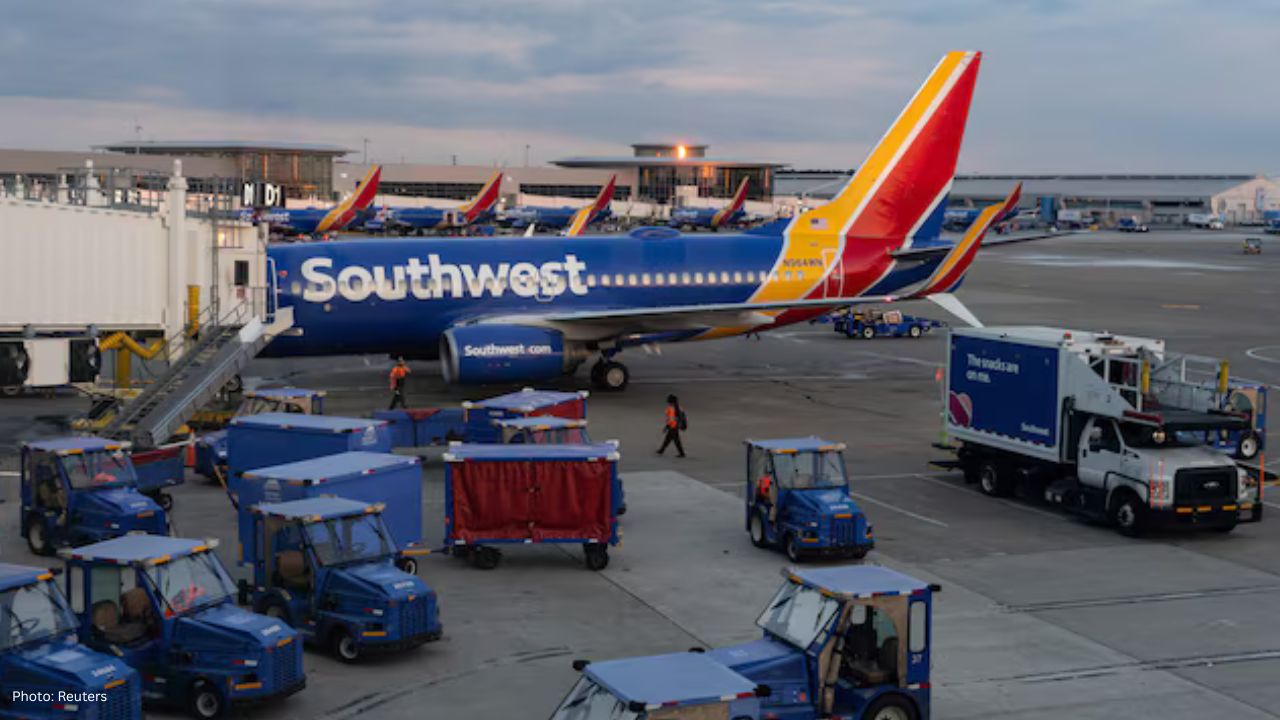
The U.S. government has announced the cancellation of an $11 million fine against Southwest Airlines, stemming from the airline's substantial operational issues in late 2022. This move reignites a vital conversation regarding airline accountability and the rights of passengers.
During December 2022, untold numbers of travelers were affected as Southwest Airlines canceled and postponed numerous flights throughout the holiday season. Families were left in distress, missing significant events and enduring uncomfortable nights in airports.
In response to the situation, the airline was penalized and instructed to provide reparations. By 2023, Southwest had reached a settlement that encompassed a financial fine as well as millions in travel vouchers for those affected. The portion now waived was the last segment of that punitive action.
The Trump administration mentioned the fine’s dismissal was due to Southwest's investment exceeding one billion dollars in upgrading its systems. The government believes that incentivizing such investments can encourage airlines to develop more reliable and efficient operations going forward.
Southwest welcomed the ruling, claiming a significant transformation in their service, emphasizing enhanced reliability and improved cancellation rates compared to previous times.
Yet, this ruling emerges at a moment when the focus on consumer protection within aviation seems to be diminishing. The current administration’s Transportation Department has relaxed regulations that previously manded airlines to compensate customers in cash for delays caused by the airline.
Additionally, a lawsuit against Southwest for habitual delays was dismissed, indicating a notable shift in policy from stringent regulation to an accommodating standpoint toward airlines.
Proponents of the waiver contend that advancements deserve acknowledgment, arguing that airlines should be motivated to invest in their technological frameworks, staff development, and operational integrity. Supporters believe that favorable conditions allow companies to prioritize proactive measures over battling fines.
Contrarily, opponents express concern that the ruling sends a harmful message, believing that dismissing fines diminishes accountability among airlines. They worry that if airlines foresee potential forgiveness of penalties, they may not feel obligated to their passengers.
This matter hits home for travelers, who anticipate fair treatment when their flights are disrupted due to circumstances controlled by airlines. Many feel that mere apologies fall short and that legal frameworks should guarantee genuine compensation.
The challenges faced by the aviation sector have surged in recent years, particularly due to the pandemic and workforce shortages. However, travelers frequently endured these predicaments without adequate assistance, sustenance, or precise updates.
The pressing question now lies in strike a balance. How can authorities urge airlines to enhance their services while still safeguarding passengers' rights? Robust airlines and strong consumer protections can coexist and thrive together.
This outcome may assist Southwest in honing their improvements, but it also reflects on policy priorities. It’s essential for the government to ensure that forthcoming errors do not leave passengers without due support.
Air travel is crucial for countless individuals, serving as a means for employment, family connections, and emergencies. When systems fall short, responses must be equitable, robust, and attentive to those affected.
The narrative surrounding the Southwest fine is larger than any single airline. It concerns the future of passenger rights and the kind of transportation system the populace rightly deserves.