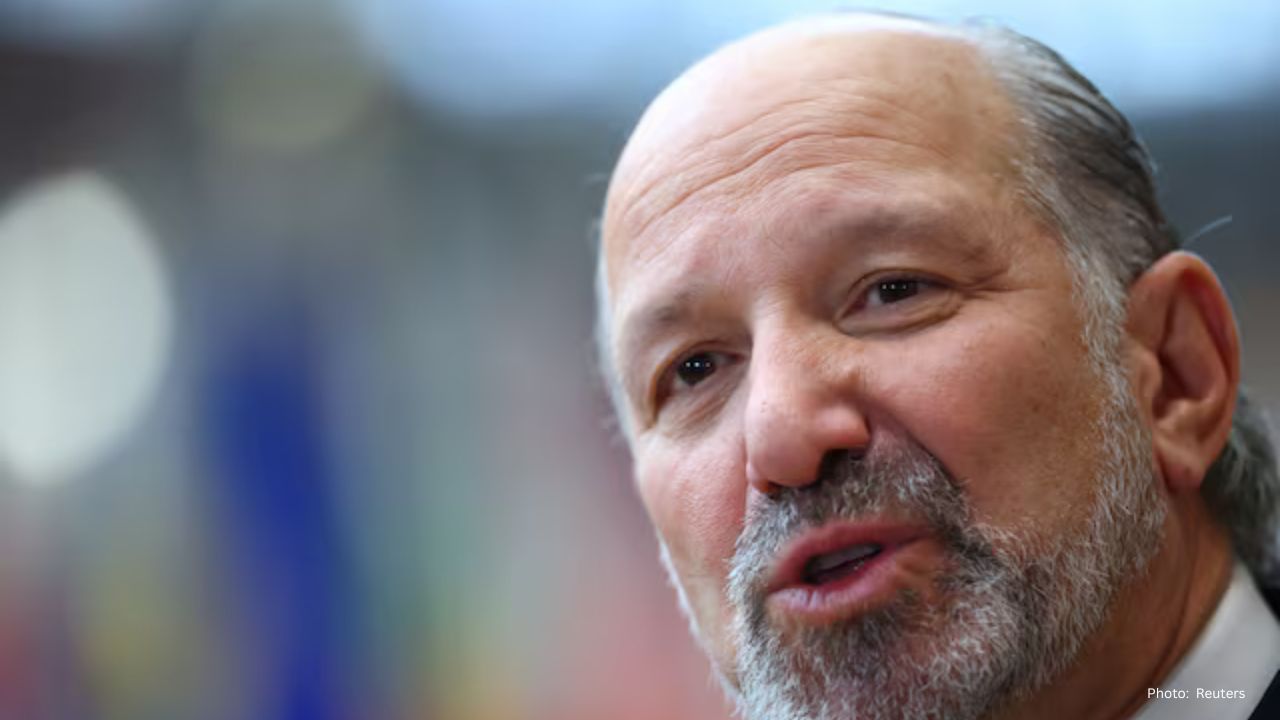
In a significant trade adjustment, the United States has reduced tariffs on vehicles imported from South Korea to a new rate of 15%, effective retroactively from November 1. U.S. Commerce Secretary Howard Lutnick announced this development via a post on X on Tuesday, marking a pivotal enhancement in the recent trade agreement established between the two nations.
This tariff reduction follows South Korea's proposal to promote its investment commitments in the U.S., which are part of a comprehensive economic pact designed to bolster bilateral cooperation, invigorate industries, and foster a more equitable trade environment between Seoul and Washington.
Lutnick mentioned that the new tariff aligns with the reciprocal tariffs currently levied on Japan and the European Union, thereby putting South Korea on par with other key trading partners of the U.S., enhancing competition fairness in the global market.
The change is anticipated to benefit South Korean automakers with a significant footprint in the U.S. auto industry. Reduced import tariffs may allow companies such as Hyundai and Kia to enhance their competitiveness by lowering costs for consumers and improving market penetration.
This decision reflects an evolving economic trust between South Korea and the U.S. Over recent years, both countries have focused on solidifying their relationship, not solely through trade, but also via substantial investments in critical sectors. South Korea’s commitment to significant investments in American manufacturing and technological ventures has seemingly been instrumental in the tariff reduction.
The revised tariff structure is part of a broader approach aimed at securing trade relations amidst global economic fluctuations. For the U.S., uniting South Korea's tariffs with those of Japan and the EU contributes to a more cohesive and predictable trade framework. For South Korea, the lowered tariff rate presents fresh prospects for expanding its exports in one of the largest consuming markets worldwide.
This announcement comes after a series of high-level trade dialogues, including discussions between Lutnick and senior European officials in Brussels last month. These meetings illustrate the U.S.'s proactive stance in adjusting trade strategies to reflect evolving economic dynamics and partnership priorities.
As the new tariff measures come into effect, both nations are expected to gain. The U.S. stands to benefit from South Korea's investment plans in domestic industries, while South Korea enjoys greater access to the American market. This decision underscores the potential of well-coordinated economic policies to nurture stronger international collaborations and long-term growth.