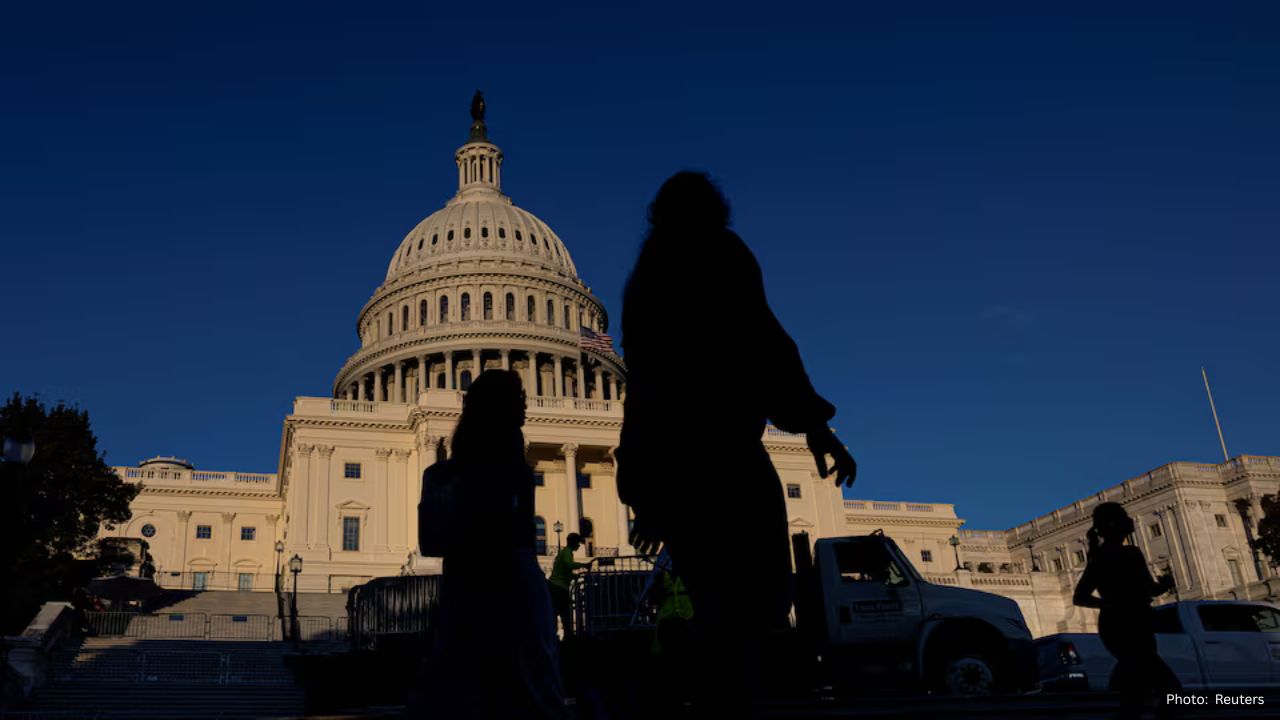
The US Congress has officially approved a substantial defense budget that will shape military funding and policy for the upcoming fiscal year. Dubbed the National Defense Authorization Act for fiscal year 2026, this bill allocates an unprecedented $901 billion for defense and is set to be forwarded to the White House. President Donald Trump has indicated he will sign the bill, even though certain provisions diverge from his more recent policy objectives.
With robust backing from both sides of the aisle, the Senate passed the bill with a 77 to 20 vote margin, while the House previously endorsed it by a significant majority. Lawmakers remarked this approval underscores a longstanding tradition, as Congress has routinely enacted a defense bill annually for over sixty years.
A central feature of the bill is its commitment to Ukraine and broader European security initiatives. The NDAA allocates $800 million over the next two years through the Ukraine Security Assistance Initiative, aimed at procuring military supplies from U.S. companies to bolster Ukraine’s defense against Russian aggression.
The legislation further enhances NATO support and assistance to U.S. allies in Europe, providing $175 million for the Baltic Security Initiative to strengthen defenses in Latvia, Lithuania, and Estonia. Additionally, it restricts the Pentagon’s capacity to reduce U.S. troop presence in Europe below 76,000, thereby safeguarding the U.S. role as NATO's principal military leader in the region.
These elements starkly contrast with Trump's recent National Security Strategy, which appears more accommodating to Russia and cautious regarding U.S. involvement in Europe. Through these actions, Congress demonstrates its intent to sustain a formidable U.S. military presence internationally.
In addition to foreign policy, the defense bill includes various domestic provisions. It grants a 4% pay increase for U.S. military personnel and finances new military equipment acquisitions. Furthermore, it reforms how the Pentagon procures weapons, targeting a quicker and more efficient process.
The NDAA also repeals previous authorizations for military action in Iraq from 1991 and 2002, reflecting Congress's attempt to reassert its authority regarding declarations of war and peace. Additionally, it rescinds strict sanctions against Syria established under the former leadership of Bashar al-Assad.
A special clause in relation to Venezuela mandates that the defense secretary must disclose unedited military operation videos related to suspected drug traffickers. This measure coincides with Trump's intensified focus on Venezuela's government, including a blockade on sanctioned oil tankers.
While some of Trump's proposals were not included—such as renaming the Department of Defense to the Department of War—some socially conservative measures did find their way into the bill, including a ban on transgender women participating in women’s sports within U.S. military academies.
Ultimately, the successful passage of the defense bill highlights Congress's capability to collaborate effectively on national security matters. It further emphasizes lawmakers' readiness to confront presidential authority on significant foreign policy topics, particularly concerning Ukraine, NATO, and the broader European context.