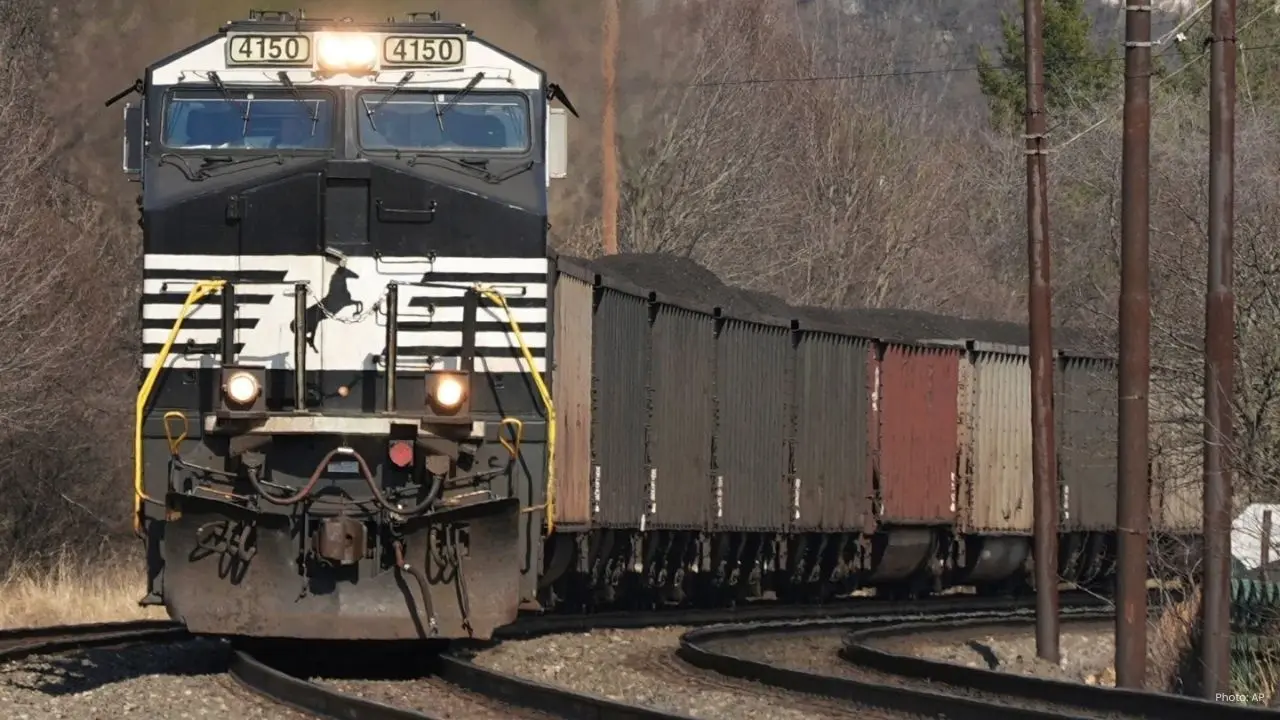
The proposed $85 billion merger between Union Pacific and Norfolk Southern—intended to establish the first coast-to-coast railroad in the U.S.—has hit a significant hurdle. Two prominent rail worker unions have pulled their endorsement, warning that the merger may lead to job losses, compromise safety, inflate shipping costs, and generate substantial disruptions across the country.
This development is noteworthy as these unions represent over half of the workforce at both companies. Their vocal dissent heightens the urgency for government regulators, clients, and political leaders to reassess whether the merger aligns with public interests.
Opponents of the Merger
The unions voting against the merger include:
Both unions are affiliated with the Teamsters, a leading labor organization in the U.S.
They join a coalition of opposing voices, including:
Their main concern centers around the argument that the merger could stifle competition and escalate shipping prices for customers.
Support Advocates
Not all voices are raised in opposition, as the merger has its proponents, including:
-
The largest rail union representing conductors
-
Numerous shipping companies
-
Former President Donald Trump, who has expressed support for the proposal
Union Pacific CEO Jim Vena claims the merger will enhance efficiency and speed throughout the rail system. He argues that eliminating the necessity for trains to switch operators mid-journey will cut down delays and help rail transportation compete more effectively with trucking.
Shareholders from both railroads have expressed approval, viewing the merger as a solid financial maneuver.
Unions' Concerns
The unions have raised several key issues:
1. Job Security
They are worried about:
-
Possible relocations of workers to distant locations
-
Jobs potentially moving to smaller rail firms with lower pay
-
Lack of legally binding job protections against outsourcing
While Union Pacific states it has reached a 'jobs-for-life' agreement with five unions, BLET and BMWED contend the details lack specificity.
2. Safety Concerns
Though Norfolk Southern improved safety measures after a significant derailment, unions assert that Union Pacific has yet to follow suit.
They express fears that a merger may result in:
They argue that these changes could jeopardize the safety of both the public and workers.
3. Rising Shipping Costs
Union representatives warn that the merger could reduce competition and permit the new entity to raise prices.
In simpler terms:
Less competition equals higher prices for consumers and businesses.
Their concerns extend to potential cargo transfers to smaller rail lines, possibly leading to delayed shipments.
Wider Concerns Beyond Employment
Fears of Competition Monopoly
The merger may result in a single entity controlling more than 40% of U.S. freight. Analysts caution that this represents a significant portion of the market.
Some experts worry it could pave the way for further mergers, ultimately leaving the industry dominated by only two major rail carriers, fundamentally altering the transport landscape.
One expert described this potential merger as a 'paradigm shift', suggesting it could transform rail transport in ways previously unseen.
Strong Opposition from Rivals
Rival BNSF, owned by Berkshire Hathaway, has voiced strong opposition to the merger.
Their stance includes:
-
Customers did not request this merger
-
The deal appears more profit-driven for shareholders
-
Potential for increased shipping costs
-
Reduction in customer options
BNSF advocates for improved collaboration among rail companies versus mergers as a smarter resolution.
Regulatory Scrutiny Ahead
The U.S. Surface Transportation Board (STB) will evaluate the merger's approval. The board adheres to stringent guidelines, especially regarding major railroad transactions. In 2001, they established new protocols following past mergers that caused significant delivery delays.
For the merger to advance, the board must ascertain that:
-
The merger serves public interest
-
Competition will remain intact
-
Shipping prices do not rise
-
Safety standards persist
The unions' resistance could significantly influence this decision.
Public Impact
The outcome of this merger could have broad implications on:
-
Shipping expenses for crucial goods
-
Train activity in smaller communities
-
Employment in both rural and urban areas
-
Increased road congestion if rail options diminish
-
The resilience of the national supply chain
Should the merger lead to fewer rail options or escalate prices, such effects will inevitably cascade down to retail shelves and household finances.
Coast-to-Coast Railroad: Assessing Advantages and Risks
Proponents argue that the merger could:
Critics contend it may:
The critical question remains: do the benefits outweigh the risks?
Future Steps
-
The companies will soon submit a formal application.
-
Regulators, unions, businesses, and community organizations will present their perspectives.
-
The Surface Transportation Board will host hearings.
-
Final decisions could take from months to over a year.
The potential Union Pacific and Norfolk Southern merger could redefine the U.S. rail landscape. It promises efficiency and quicker deliveries, yet unions and critics warn of serious dangers, such as job losses, increased costs, and compromised safety.
The outcome will determine whether a groundbreaking national rail system emerges, or if a harmful monopoly takes shape, relying heavily on governmental scrutiny and stakeholder input.
The discourse is ongoing, with high stakes for workers, consumers, businesses, communities, and the national economy.