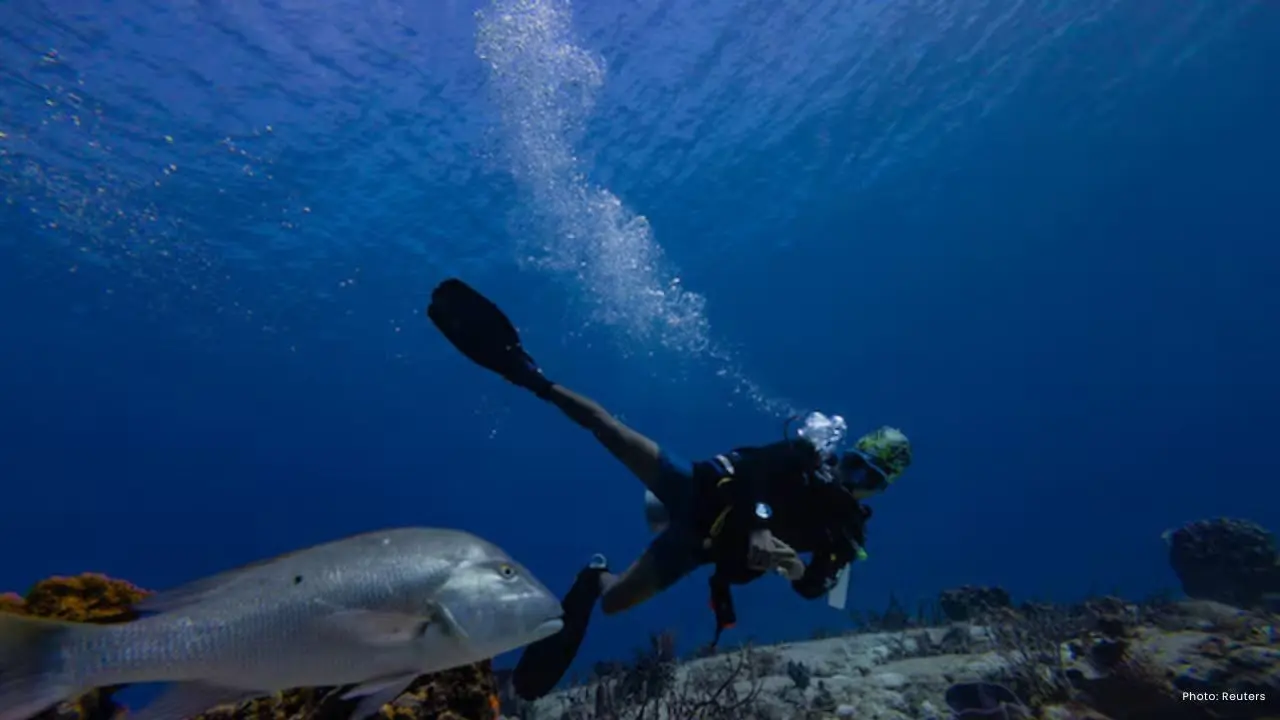
A landmark international agreement focusing on the preservation of oceanic life has officially come into effect, symbolizing a significant advancement in ocean conservation. Known as the Biodiversity Beyond National Jurisdiction treaty, this UN initiative outlines regulations designed to protect marine ecosystems in waters that lie outside national jurisdictions, with a goal of safeguarding 30 percent of the world's oceans by 2030.
The treaty encompasses high seas, which make up nearly two-thirds of the world's oceans and about half of the Earth's surface. Until recently, these waters lacked stringent legal protections, even while confronting grave dangers posed by overfishing, pollution, and climate change.
After almost 15 years of challenging negotiations, the treaty was finalized in March 2023. It became active following the ratification by at least 60 nations, a milestone achieved in September of the previous year. Over 80 nations have subsequently committed to the treaty, including China, Brazil, and Japan, with more nations likely to follow suit, although notable countries like the United States have yet to finalize the ratification process.
Under this agreement, nations can designate marine protected areas in international waters, curbing harmful practices and aiding the recovery of delicate ecosystems such as coral reefs and critical marine habitats. Experts assert that this framework is the first comprehensive legal system aimed at conserving high seas.
The treaty mandates that countries conduct environmental impact assessments before allowing activities that could detrimentally affect ocean ecosystems, covering sectors like fishing, shipping, and various commercial enterprises. Additionally, it establishes regulations for equitable sharing of benefits derived from marine genetic resources, which find applications in sectors such as medicine and biotechnology.
While environmental advocates applaud the treaty as a formidable instrument for ocean conservation, they caution that ample work remains. Achieving the ambitious “30 by 30” target necessitates the creation of over 190,000 marine protected areas, whereas currently, merely about 8 percent of oceans enjoy any form of protection, highlighting a significant gap that must be addressed in forthcoming years.
Despite widespread acclaim for the treaty, it does not tackle every threat confronting ocean health. For instance, issues such as deep-sea mining fall under the jurisdiction of a separate international entity, limiting the treaty's capacity to regulate resource extraction from the seabed.
Nevertheless, experts believe this agreement conveys a powerful message regarding the collective responsibility to protect oceans. As pressures on marine environments increase, the treaty's success hinges on how earnestly nations honor their commitments and their expediency in safeguarding vulnerable regions.
As climate change and human actions continue to jeopardize oceans, this treaty provides a beacon of hope, suggesting a possibility for global collaboration to ensure oceanic life is preserved for generations to come. Its success in achieving ambitious objectives will rely on international teamwork, robust enforcement, and the political determination to prioritize nature.