Photo:AP
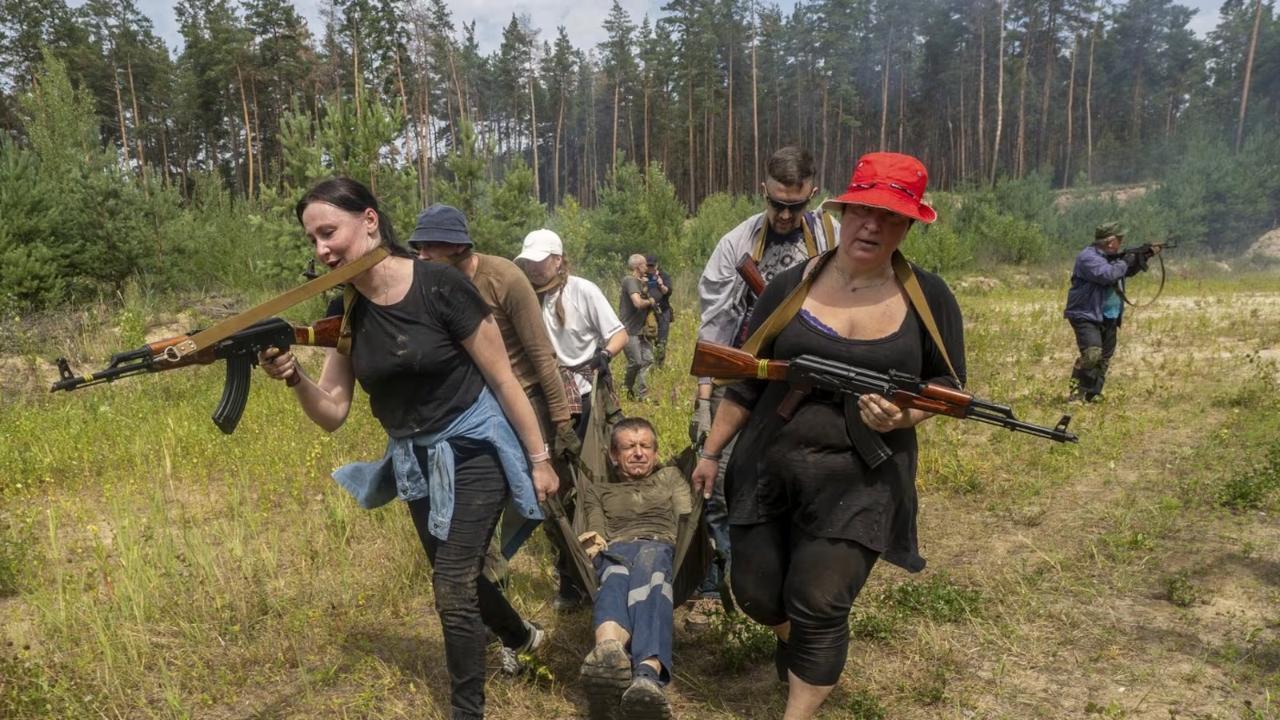
U.S. Strategy Shifts: Arms Ukraine Through NATO President Donald Trump has unveiled a strategic framework to provide weapons to Ukraine by selling them to NATO allies who then transfer them to Kyiv. This mechanism enables a swifter supply of arms while circumventing potential political and logistical bottlenecks tied to direct U.S. military aid. With this approach, the U.S. continues to play a critical support role in the Ukraine conflict without committing direct troop involvement or unilateral weapons shipments.
NATO Secretary-General in Washington Trump is set to meet NATO Secretary-General Mark Rutte in Washington as the plan gains momentum. The meeting marks the first high-level engagement between the U.S. and NATO under Trump’s new term. Their dialogue will likely shape the trajectory of arms shipments, determine logistical responsibilities, and cement financial commitments among NATO allies. Discussions may also address growing European anxieties over Russia’s increasingly aggressive posture.
Weapon Transfer Logistics and Funding Model The central mechanism of Trump’s plan is the indirect transfer of U.S.-made arms. By selling to NATO allies, many of whom already have logistical ties with Ukrainian defense forces, the U.S. can expedite deployment. Patriot air defense systems, HIMARS, drones, and surveillance technology are among the items expected to move under this framework. NATO countries will cover costs using their national defense budgets, allowing the U.S. to avoid drawing from controversial Ukraine-specific aid funds.
Shift in Trump’s Ukraine Policy This approach signals a pivot in Trump’s Ukraine policy. Once skeptical of U.S. support for Ukraine, Trump now frames this plan as a more efficient, less costly strategy that encourages NATO countries to shoulder more responsibility. By engaging allies in the procurement and transfer process, Trump positions the U.S. as a facilitator, not the sole benefactor. The move has drawn praise from Republicans and some Democrats who see it as a pragmatic compromise.
Bipartisan Support Emerges Prominent Republicans such as Sen. Lindsey Graham and Sen. J.D. Vance have voiced support for the initiative. Democratic leaders, while cautious, acknowledge the plan’s potential to circumvent political deadlock in Congress and provide Ukraine with vital military aid. Both parties view the approach as a way to maintain Ukraine’s defensive capacity while avoiding further drain on U.S. political capital.
Europe’s Response and Strategic Role European nations are key to the plan’s success. Countries like Poland, Germany, and France are expected to receive U.S. arms and transfer them to Ukraine from their own stockpiles or directly. French Defense Minister Sébastien Lecornu stated that Europe’s growing air defense coordination efforts are in alignment with this strategy. NATO is already working on distribution protocols and planning joint exercises to ensure seamless delivery.
Operational Challenges and Risks Implementing this plan won’t be without challenges. Each NATO country has unique procurement laws, timelines, and political considerations. Delays in payment or shipment could bottleneck the process. Russia has also issued strong warnings, claiming the plan is tantamount to “arming hostile forces.” The Kremlin has vowed retaliatory action, increasing the stakes and pressure on NATO coordination.
Ukraine’s Battlefield Realities The timing of the arms initiative is critical. Ukraine faces escalating Russian offensives along the Donbas and in southern territories. The loss of air defense systems and long-range munitions over the last six months has left cities and infrastructure vulnerable. Ukrainian officials have called the new NATO supply chain a “lifeline” that could stabilize defenses in key regions.
Trump’s Broader NATO Strategy This initiative is also a reflection of Trump’s broader NATO vision. Throughout his presidency, Trump has pressured NATO members to increase military spending. By tying Ukraine aid to NATO country budgets, Trump reinforces this stance. His administration claims the plan not only strengthens Ukraine but also increases Europe’s defense readiness.
Congressional Oversight and Potential Hurdles Though bipartisan support is building, congressional committees are preparing to review the plan’s legality and strategic implications. Key issues include transparency in procurement, accountability in arms usage, and safeguarding against misuse. Lawmakers have requested regular reporting from the Departments of Defense and State to ensure compliance with international laws and U.S. foreign policy goals.
Long-Term Impact on U.S.-Europe Relations If successful, this initiative could redefine the U.S.-Europe military relationship. Rather than acting as a unilateral actor, the U.S. would function as a key supplier and strategic partner. NATO allies would assume greater agency in military affairs, aligning with Trump’s long-held vision of a “self-reliant Europe.” Critics warn that over-reliance on Europe could slow down urgent military needs, while proponents argue it’s a sustainable model for transatlantic cooperation.
Weaponry Involved in the Transfer While specifics remain confidential, defense analysts believe the arsenal may include:
-
Patriot missile systems
-
HIMARS rocket launchers
-
Artillery shells (155mm)
-
Tactical drones (Bayraktar TB2, Switchblade 600)
-
Counter-drone jamming equipment
-
Surveillance radars and satellite imaging technology
Each weapon class fulfills different battlefield needs—from intercepting Russian cruise missiles to targeting armored units. The aim is to give Ukraine multidimensional defense capabilities.
U.S. Defense Industry Implications This strategy offers a boon to U.S. defense manufacturers like Raytheon, Lockheed Martin, and General Dynamics. By offloading equipment to allies who then ship to Ukraine, these firms benefit from expanded contracts and quicker production cycles. Critics have pointed to the risk of fueling the military-industrial complex, while supporters highlight job creation and strategic strength.
Russia’s Reaction and Escalation Threat The Kremlin’s rhetoric has intensified since the plan’s announcement. Russian Foreign Minister Sergey Lavrov warned that Russia views this model as “an indirect act of war.” Intelligence sources also suggest increased cyber-espionage activity against NATO supply chains and satellite monitoring systems. NATO has raised its cyber defense posture in response.
U.S. Public Opinion and Political Ramifications Domestically, public opinion on Ukraine aid remains divided. While many Americans support helping Ukraine, others question the cost and longevity of involvement. Trump’s plan seeks to strike a middle ground—providing support without committing U.S. boots on the ground or spending billions from direct federal accounts.
Mark Rutte’s Diplomatic Role As NATO’s new chief, Mark Rutte has quickly become a key diplomatic figure. A former Dutch Prime Minister, Rutte is seen as pragmatic, experienced, and well-versed in EU-U.S. dynamics. His visit to Washington is not only about the Ukraine plan but also strengthening NATO unity amid rising geopolitical instability.
Future Summits and Milestones The July 2025 NATO summit in Brussels will serve as a checkpoint for this strategy. By then, allies aim to complete the first round of transfers, finalize reimbursement models, and draft long-term agreements for sustainable security aid. Ukraine is expected to provide battlefield reports measuring the effectiveness of the new supplies.
Conclusion: Strategic, Symbolic, and Tactical Shifts Trump’s NATO-based weapon sales strategy marks a new phase in Western support for Ukraine. It is part policy pivot, part alliance test, and part geopolitical chess move. If implemented successfully, it could strengthen NATO’s cohesion, preserve U.S. resources, and offer Ukraine the tools needed to resist Russia’s aggression. If it fails, it risks fragmentation among allies and emboldening Moscow. The coming weeks will reveal whether this bold gamble becomes a blueprint for 21st-century military diplomacy or another flashpoint in an increasingly unstable world.