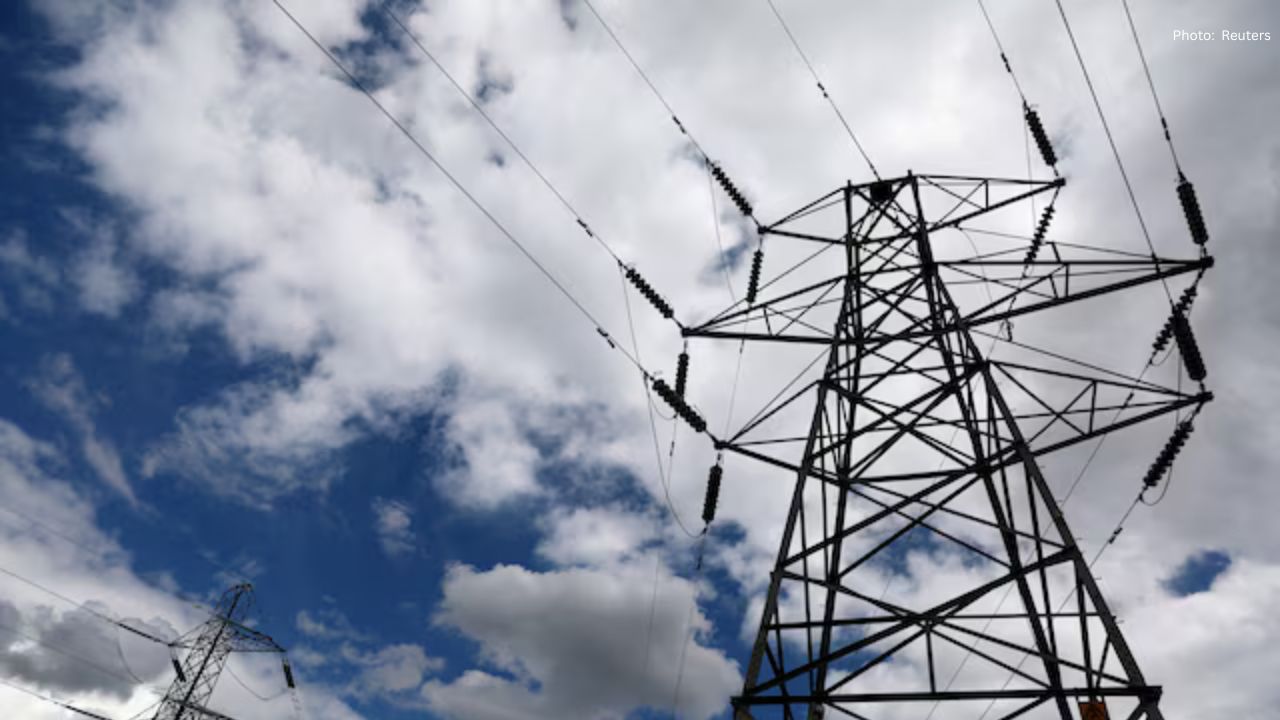
The UK is bracing for higher energy costs after Ofgem, the national energy regulator, green-lighted a substantial £28 billion investment aimed at overhauling the nation's power grid. This extensive project, rolling out over the next five years, is designed to modernize the infrastructure, facilitate the transition to greener energy sources, and bolster long-term energy security. As a consequence, household energy bills are projected to increase by around £108 by 2031.
This announcement arrives as the UK government strives to cut living costs and lower energy prices. The approved investment exceeds Ofgem’s initial July projection of £24 billion. While there are growing concerns over escalating consumer expenses, the regulator asserts that the upgrade is vital for the country’s energy future.
Ofgem's CEO Jonathan Brearley emphasized that the funding will aid the UK in moving towards innovative energy solutions and support industries reliant on modern power systems. He noted that these upgrades are crucial for shielding the country from shocks in the global gas market, which have recently led to sharp increases in energy bills for countless households.
Under the UK's regulatory framework, energy network companies are required to submit comprehensive plans alongside cost estimates. Ofgem evaluates these submissions to determine allowable expenditures and consumer costs. Currently, network charges already constitute almost a quarter of the average energy bill in the UK.
The announcement received endorsement from the Department for Energy Security and Net Zero, which asserted that the planned investments will ensure continuous power supply, securing Britain's energy delivery to homes and businesses. Officials stressed that an upgraded grid is essential for meeting future energy demands and integrating renewable sources like offshore wind and solar energy.
Energy firms reacted positively; SSE, owner of Scottish and Southern Electricity Networks Transmission, expressed approval of the enhancements made since the previous proposal and intends to examine the details of the pricing regulations. National Grid, one of the largest operators in the electricity transmission sector, also lauded the decision, recognizing the need for significant investment given the anticipated doubling of electricity transport across the country.
Nevertheless, not everyone is pleased. Campaigners from the End Fuel Poverty Coalition acknowledged the necessity for a stable energy supply but cautioned that rising costs could exacerbate the struggles of families already facing high living expenses. They urged the government and energy providers to guarantee that the investments genuinely benefit consumers, particularly the most vulnerable households.
This upgrade strategy underscores a key dilemma for the UK: balancing the modernization of its aging energy infrastructure with the need to keep costs manageable. As the country shifts towards more sustainable energy sources, these investments will play a crucial role in shaping both its economic and environmental landscape. In the meantime, many households are left questioning the potential impact on their finances and whether the long-term advantages will justify the added expenses.