Photo:AP
Trump’s Sweet Claim Shakes Up Beverage Industry
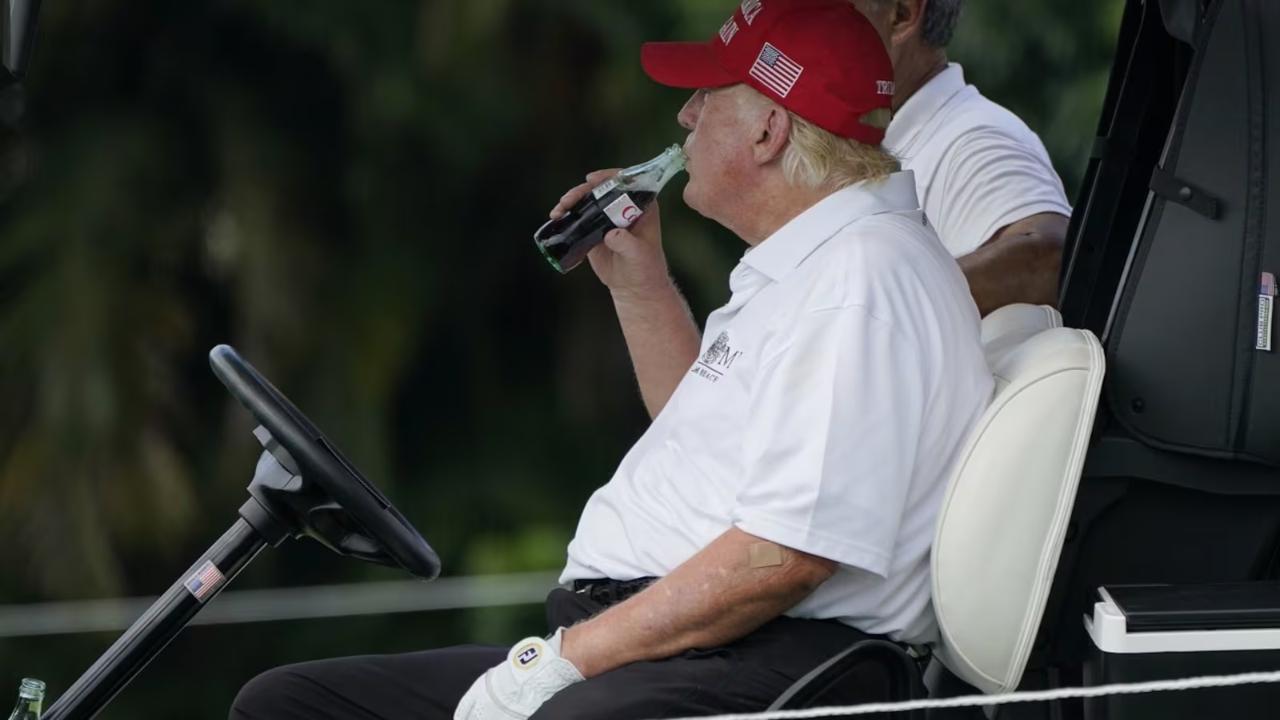
Former President Donald Trump has once again made headlines, this time claiming a product-based victory that could affect one of America’s most iconic brands. On July 16, 2025, Trump announced on his social media platform that Coca-Cola would begin using real cane sugar in its flagship U.S. beverages, eliminating high-fructose corn syrup (HFCS). The claim, delivered in a celebratory tone, sparked immediate conversation across political, commercial, and health circles.
The Coca-Cola Company, in response, issued a carefully worded statement. While they did not deny Trump's claim outright, they refrained from confirming that a full-scale formula shift was underway. Instead, the company expressed appreciation for the former president’s support and acknowledged ongoing consumer-driven innovation in their product line.
This episode reignites a decades-long debate about sweeteners in soft drinks, health implications, national agricultural policy, and the intersection of politics and commerce.
Understanding the Sugar vs. HFCS Debate
Since the early 1980s, most Coca-Cola bottled in the United States has used high-fructose corn syrup instead of cane sugar. The change was originally driven by economic incentives: U.S. agricultural subsidies made corn syrup cheaper than imported sugar. While HFCS performs the same basic function—sweetening beverages—it has since become a controversial ingredient.
In contrast, Coca-Cola bottled in many countries outside the U.S., especially Mexico, continues to use cane sugar. “Mexican Coke,” as it is popularly known in the U.S., is prized by many consumers for its distinctive taste and nostalgic packaging. Imported Mexican Coke is widely available at specialty stores and has earned a cult following among American soda enthusiasts.
Health experts have debated whether HFCS is significantly worse than cane sugar. While both contribute to obesity and diabetes when overconsumed, HFCS has been singled out in some studies for contributing to metabolic disorders. Nevertheless, from a biochemical standpoint, the two sweeteners are remarkably similar.
Still, the perception persists: cane sugar feels more “natural,” more “real,” and more “authentic” to many consumers.
Trump’s Announcement: A Mix of Health and Branding
In his post, Trump stated that Coca-Cola would now “taste better” and “return to its original American greatness” by dropping HFCS in favor of cane sugar. He praised Coca-Cola executives for cooperating with what he called a “common sense and patriotic” move, aligning it with his broader "Make America Great Again" messaging.
Trump’s post also referenced consumer feedback he claimed to have received, saying many Americans miss the classic taste of old-school Coca-Cola. He framed the change as a win for “health, flavor, and American values,” suggesting that HFCS was a cheap shortcut that had robbed Americans of the original Coke experience.
It’s unclear whether Trump was referring to a private agreement with Coca-Cola, an informal conversation, or simply putting public pressure on the company through social media.
Coca-Cola’s Response: Carefully Neutral
The Coca-Cola Company’s public response was cautious. In a written statement, they thanked the former president for his “enthusiasm and advocacy for our brand” but did not explicitly confirm a change in formula. The statement emphasized the company’s “ongoing product innovation” and commitment to responding to “consumer preferences.”
Executives added that Coca-Cola already offers multiple options in the U.S. marketplace, including Coca-Cola Classic, Coca-Cola Zero Sugar, and Coca-Cola Life, as well as smaller regional or seasonal editions made with cane sugar.
Analysts believe the company’s ambiguous response was strategic. On one hand, aligning with a popular consumer trend like cane sugar can improve brand sentiment. On the other, the company may wish to avoid making a politically charged move that could alienate some customers.
Logistics of a Recipe Overhaul
Reformulating the core Coca-Cola product for the U.S. market would not be a simple undertaking. The scale of Coca-Cola’s operations in North America is immense, involving hundreds of bottling plants, distributors, and retail partners. HFCS is deeply embedded in the company’s North American supply chain.
A full conversion to cane sugar would require restructuring procurement, modifying bottling processes, negotiating new supplier agreements, and adjusting pricing models. The shift could also invite regulatory review depending on whether international sugar sources are involved.
Additionally, pricing would likely be affected. Cane sugar is more expensive than HFCS, especially in the U.S. where sugar is subject to tariffs and production caps. A 12-ounce can of Coca-Cola made with cane sugar could cost significantly more at retail, potentially affecting sales volume or forcing the company to absorb the added costs.
For these reasons, analysts suggest that if Coca-Cola does implement such a change, it will more likely be introduced as a separate product line or limited-edition release rather than a full overhaul of the classic Coke formula.
Impact on Corn and Sugar Industries
The implications of a shift from HFCS to cane sugar would extend far beyond Coca-Cola itself. It would impact multiple sectors of the U.S. economy, including agriculture, manufacturing, logistics, and international trade.
The Corn Refiners Association, representing major producers of HFCS, has already expressed concern over the possibility of losing a major buyer like Coca-Cola. In a statement, they warned that switching from HFCS to cane sugar would be disruptive, possibly leading to job losses in corn-producing states and higher costs for consumers.
Conversely, the U.S. Sugar Industry has welcomed the buzz. Some sugar producers argue that increased demand could revitalize domestic sugar beet and sugarcane farming, especially in states like Florida and Louisiana. Others point out that current quotas would not support a sudden surge in cane sugar demand, potentially requiring Congress to revisit federal sugar policies.
Health Community Response: Skepticism and Support
Public health advocates are divided on the impact of Trump’s announcement. On one hand, some nutritionists argue that replacing HFCS with cane sugar won’t meaningfully reduce health risks unless overall sugar intake is lowered. On the other, others view it as a positive step toward greater transparency and consumer choice.
Some wellness organizations called on Coca-Cola to go even further—not just swapping sweeteners but offering lower-sugar options or expanding distribution of stevia- or monk fruit-sweetened drinks. They argue that obesity and diabetes rates will only decrease if companies invest in comprehensive sugar reduction strategies.
Health Secretary Robert F. Kennedy Jr., a key player in Trump’s second-term cabinet, voiced support for the announcement, calling it part of the administration’s larger effort to eliminate artificial ingredients and processed chemicals from the American diet. This initiative, called “Make America Healthy Again,” is backed by new guidelines for food labeling and reformulation across the food and beverage industry.
Political Symbolism and Corporate Influence
Some critics view Trump's announcement as another example of political overreach into private enterprise. While companies frequently respond to consumer trends, it’s rare for a political figure—especially a former president—to take public credit for influencing a recipe change.
Opponents argue that Trump’s involvement sets a dangerous precedent, where companies may feel pressured to respond not just to consumers but to political figures who can impact public opinion, regulation, and even share prices.
Supporters, however, view it as a populist win. They argue that Coca-Cola represents a shared national identity and that reclaiming its original taste with cane sugar is symbolic of rejecting processed ingredients and embracing authenticity.
Consumer Reactions: Mixed but Loud
On social media, the reactions were immediate and polarized. Fans of Mexican Coke and traditional cane sugar sodas expressed excitement. Many users posted memes celebrating a return to “real Coke,” while others expressed skepticism over the feasibility or sincerity of the claim.
Some users questioned Trump’s motivations, speculating that the announcement was politically timed to distract from other controversies or to rally support among health-conscious voters and anti-corporate populists.
Still others noted that cane sugar Coke is already widely available in the U.S. under various labels, suggesting that Trump’s announcement may be more performative than impactful.
Historical Echoes: Coca-Cola’s Formula Changes
The current debate echoes past moments in Coca-Cola’s long history, most notably the “New Coke” debacle of 1985. At that time, the company changed the recipe of its flagship beverage, resulting in public outcry and a swift return to the original formula—now branded as “Coca-Cola Classic.”
More recently, in the 2010s, Coca-Cola experimented with different sweetener blends and introduced Coca-Cola Life, made with a combination of cane sugar and stevia. The product was eventually discontinued due to low sales.
These examples suggest that while consumers may express preferences for natural ingredients, they’re also highly sensitive to changes in flavor and branding.
What Could Happen Next
At this stage, it's uncertain whether Coca-Cola will indeed modify the classic U.S. Coke formula. However, several possible scenarios are on the table:
-
Launch of a new product line featuring cane sugar, possibly called "Coca-Cola Real" or "Coke Heritage."
-
A seasonal or regional cane sugar version of Coca-Cola Classic, similar to “Mexican Coke,” with vintage packaging and pricing premiums.
-
A full conversion of fountain drinks in select regions or venues to cane sugar formulations.
-
Continuation of HFCS-based production, with marketing adjusted to reflect alternative consumer choices.
Insiders believe that any official change will depend on extensive consumer testing, internal cost-benefit analysis, and brand protection strategy. Coca-Cola may quietly monitor reactions to Trump’s statement and base future product planning accordingly.
Conclusion: A Sweet Controversy with Bitter Edges
Whether or not Coca-Cola changes its formula, Trump’s announcement has succeeded in sparking debate across the spectrum of politics, public health, and corporate ethics. For some, the move is an overdue correction. For others, it’s another example of political spectacle.
Ultimately, this story is about more than just soda. It represents the intersection of taste, trust, tradition, and influence. In an age where brand loyalty and public credibility are fragile, how Coca-Cola responds to this moment could define its next chapter—not just in America, but globally.
The sugary debate continues, and so does the political conversation around what Americans consume—and who gets to decide how it's made.