The political landscape in Venezuela has reached a pivotal moment following revelations about a private conversation between President Nicolas Maduro and U.S. President Donald Trump. Taking place on November 21, this exchange underscores Maduro's growing desperation and the unwavering stance of the United States. As details emerge, it becomes increasingly evident that Maduro's opportunities for negotiating a safe exit are rapidly diminishing.
For years, the nation has grappled with severe turmoil characterized by economic failure, widespread emigration, and escalating political pressures. The Trump administration’s tough approach towards Maduro includes accusations of drug trafficking, human rights violations, and connections to criminal organizations like the Cartel de los Soles, which the U.S. has designated a terrorist entity. Maduro refutes these allegations, claiming that Washington’s ultimate goal is regime change to seize control of Venezuela’s natural resources.
This recent call illustrates the clash between these two opposing perspectives. Sources familiar with the conversation reveal that Maduro sought a multitude of guarantees in exchange for resigning, including full legal immunity for himself and his family, lifting all U.S. sanctions, and dropping significant legal cases against him at the International Criminal Court. Additionally, he suggested that his confidante, Vice President Delcy Rodríguez, head an interim government until new elections could be arranged, indicating his desire to preserve the political framework he established.
Trump turned down the majority of these requests. Though the conversation lasted under 15 minutes, it set a definitive tone. Trump granted Maduro a week to vacate Venezuela with his family, an offer that would lapse the following Friday. Shortly after, Trump announced that Venezuelan airspace was “closed,” a warning intended to preempt any attempts by Maduro to escape on his own terms.
Currently, the White House has not elaborated further, and Venezuela's government has chosen to remain silent. However, Trump has confirmed that the call did indeed take place.
This phone call occurred amid mounting U.S. pressure on Venezuela, including military strikes on alleged drug trafficking operations in the Caribbean. Trump has hinted at potential expansions of military operations within Venezuelan borders, along with authorized covert CIA activities.
Moreover, the U.S. has established significant rewards for information leading to the capture of top Venezuelan officials. Maduro himself is now subject to a $50 million bounty, while other senior figures like Interior Minister Diosdado Cabello have bounties of $25 million. They categorically deny the allegations but face intense scrutiny from U.S. courts.
Maduro's administration has requested another dialogue with Trump, seeking to reinitiate negotiations. However, it remains uncertain if Trump is open to further discussions, as Washington officials indicate that significant disagreements are still at play. Even if negotiations could resume, consensus on the terms seems distant.
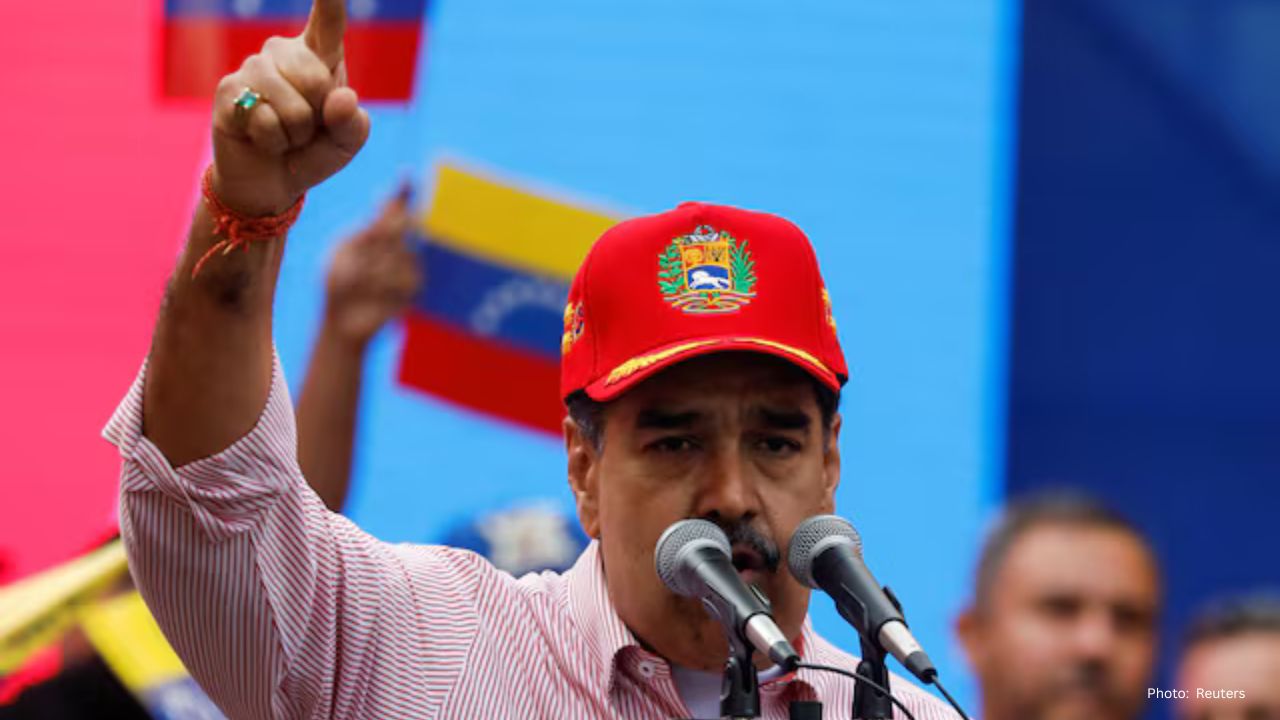
Meanwhile, Maduro projects confidence domestically, addressing large crowds and pledging “absolute loyalty” to the Venezuelan populace. Yet, his rhetoric cannot obscure the fact that his potential pathways are narrowing. With the U.S. no longer offering safe passages and the prospect of increased military and political pressure, Maduro's future hinges on his ability to navigate a course that avoids direct conflict.
For the U.S., this juncture represents both an opportunity and a peril. Excessive pressure could cause Maduro to entrench himself further, risking greater instability for Venezuela, while too much leniency might enable him to evade accountability. The international community watches intently, awaiting to see whether the resolution will lean toward diplomacy, negotiation, or coercive tactics.
This unfolding situation emphasizes the fragile equilibrium between justice, international legislation, and political maneuvering. Venezuela’s prolonged plight will not be resolved through a single phone call; however, this particular dialogue could signify a defining moment—one that may thrust the nation either toward a negotiated resolution or into a more perilous confrontation.