Photo:Netflix
Maggie Kang’s Toronto roots have powered the global explosion of KPop Demon Hunters, an animated musical fantasy that has taken the world by storm. Co-directed and written by Kang, the debut feature blends K‑pop spectacle with Korean mythology in a story about a girl group that secretly battles demons. Since its Netflix debut on June 20, 2025, the film has shattered streaming and music records, transforming fictional pop acts Huntr/x and Saja Boys into cultural icons overnight.
A creative journey from Toronto to the global stage
Born in Seoul and raised in North York, Toronto after age five, Kang grew up hiding her love of K‑pop from peers who viewed it as odd. Despite feeling isolated during childhood summers in a neighbourhood with few Koreans, her connection to Korean culture remained strong—and ultimately became the seed of her groundbreaking film .
An alumna of Sheridan College’s animation program and a former storyboard artist at DreamWorks (working on titles such as Puss in Boots and Kung Fu Panda 3), Kang eventually earned a directing opportunity at Sony Pictures Animation. Faced with ideas rooted in Korean mythology and K‑pop, a casual suggestion from her husband to combine both ultimately led to the unique concept behind the film.
The film: K‑pop girl group by day, demon slayers by night
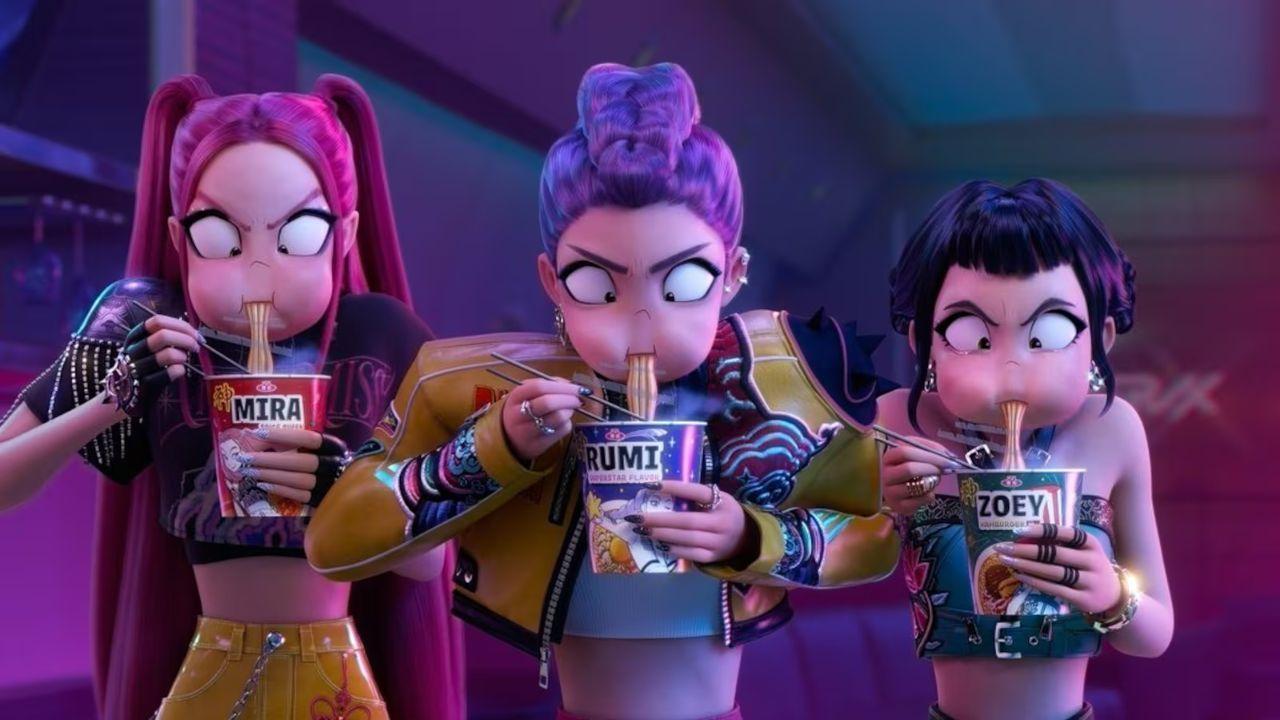
KPop Demon Hunters centers on Huntr/x (pronounced “Huntrix”), a trio of K‑pop idols who perform by day and hunt demons by night. Their adversaries, the Saja Boys, are idol rivals who are secretly demons. When Rumi, one of the trio, confronts her own demon heritage, the narrative becomes a powerful metaphor about identity, authenticity, and self‑acceptance.
The storytelling is layered, exploring themes of hiding parts of oneself behind personas—online or real—something Kang relates to deeply. She believes young audiences in particular will resonate with the emotional duality at the heart of the film.
Authenticity in animation, music, and design
From conception to execution, every creative decision emphasized cultural authenticity. The animation—handled by Sony Pictures Imageworks studios in Vancouver and Montreal—blends CGI with stylized, editorial, music video aesthetics reminiscent of anime. Character faces, choreography, props (like Korean snack labels) and color palettes all emphasize nuanced Korean identity even when the dialogue is in English.
Musically, the team recruited major K‑pop producers including Teddy Park (The Black Label), collaborators with BTS and TWICE, and executive music producer Ian Eisendrath. The aim: produce music that could stand alongside real K‑pop hits, not merely function as a film score. Songs needed to tell a story and carry emotional weight. Tracks like "Golden," "Soda Pop," and "Takedown" became chartable singles and fan favourites globally.
Shamanic traditions played a role too: Korean gut rituals—blending dance and music to ward off spirits—were reimagined as concert sequences. “I wondered if gut might be the original concert,” Kang reflected, linking tradition to pop culture visually and thematically.
Cultural fusion and global fandom
Upon release, KPop Demon Hunters debuted modestly—around 9.2 million views in week one—but its popularity exploded via word of mouth, hitting 106 million views by mid‑July. It surpassed Netflix’s historical norms by reaching a new viewer peak in its fifth week—a first for any original Netflix movie.
The film simultaneously topped Netflix charts in 41 countries, and became the platform’s most‑viewed animated feature in over 90 markets. Fan engagement included memes, dance challenges, cosplays, themed merchandise, and trending music covers by influencers worldwide.
Chart‑topping music from a fictional act
Huntr/x’s single “Golden” topped the Billboard Global 200, the first song by a fictional act to do so. Their track “Your Idol” from Saja Boys reached No. 1 on Spotify U.S., breaking records previously held by BTS. The full soundtrack debuted at No. 8 on the Billboard 200, later rising to No. 3, the highest‑charting animated soundtrack in 2025 and the first Netflix soundtrack to reach top ranks in years.
Multiple songs landed on the Billboard Hot 100 and Streaming Songs chart simultaneously, a rare achievement for an animated soundtrack.
Seven years in the making, rooted in cultural pride
Kang and her team spent seven years developing the project—from scripting and character design to musical collaborations and animation. For Kang, the film was “a love letter to K‑pop and her Korean roots,” intentionally blending identity and artistry in a global format. Her vision included characters unbound by conventional superhero tropes: she wanted heroines who were funny, messy, and human—not just visually cool or glamorous.
Possible expansions and fan anticipation
The film leaves several plot threads open: the full backstories of Mira and Zoey, Rumi’s demon father, and the fate of the Saja Boys. Kang has expressed interest in expanding the universe through sequels or multimedia storytelling. Fans worldwide have launched campaigns pushing for more, recognizing the narrative’s potential to grow. However, no official sequel has been confirmed as of July 2025 .
Significance and cultural impact
Analysts note that KPop Demon Hunters represents a turning point in how Western animation and streaming platforms collaborate on culturally grounded creative IP. Netflix is encouraged to invest more in music-driven and culturally immersive stories to strengthen competition against studios like Disney. The film’s critical and commercial success reinforces the value of hybrid animation styles, female-led narratives, and authentic representation.
The project also marks a milestone: one of the few animated features directed by an Asian woman to achieve global acclaim—paving the way for broader representation behind the scenes.
Summary of key facts
| Aspect |
Details |
| Film |
KPop Demon Hunters (Netflix, June 20, 2025) |
| Director/Writer |
Maggie Kang (Toronto‑born, Korean Canadian), co‑directed with Chris Appelhans |
| Concept |
K‑pop girl group (Huntr/x) fights demons via music; rivals Saja Boys are demon idols |
| Production span |
7 years of development, animation by Sony Pictures Imageworks in Vancouver & Montreal |
| Animation style |
Hybrid 2D‑3D anime-influenced visuals, Korean cultural aesthetics |
| Music team |
Teddy Park (The Black Label), BTS/TWICE collaborators, Ian Eisendrath, other K‑pop writers |
| Streaming milestone |
106M+ views globally; first Netflix original to peak in viewership Week 5 |
| Music success |
“Golden” hits Billboard Global 200 #1; soundtrack enters top ten on Billboard 200 |
| Significance |
Cultural crossover icon; major representation milestone for Asian women in animation |
| Potential sequel |
Fan demand and story scope suggest more to come; no formal green light yet |
Maggie Kang couldn’t have predicted the level of embrace from global audiences—but her film’s success is proof of the power of personal storytelling fused with cultural pride and musical excellence.