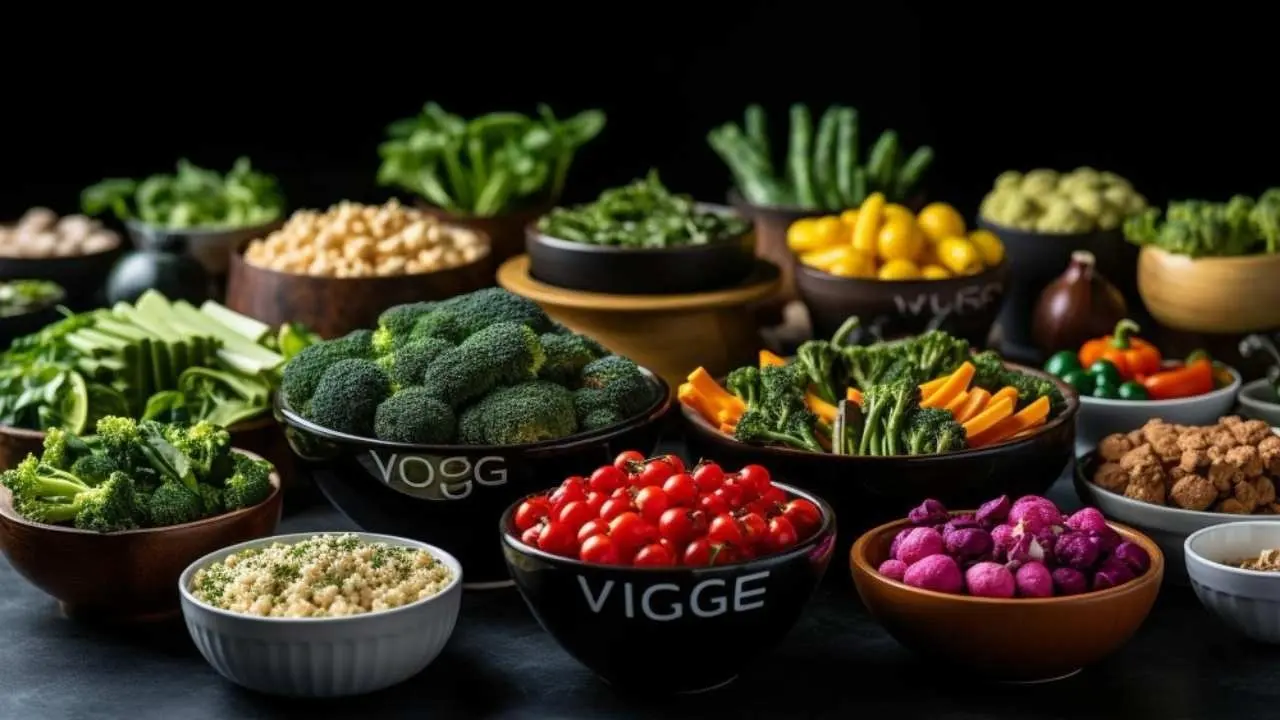
Top 8 Protein-Rich Winter Vegetables
As winter sets in, our dietary preferences shift, leaning towards hearty meals that provide energy and warmth. This season, protein intake becomes essential for maintaining muscle mass, boosting immunity, and sustaining energy levels.
While animal products like meat and dairy are commonly thought of as protein sources, numerous winter vegetables are also rich in protein. These veggies contribute essential fibre, vitamins, and minerals, making them vital elements of a balanced winter diet.
Here are eight winter vegetables high in protein that are easy to incorporate into your diet.
1. Green Peas
Green peas offer one of the highest plant-based protein contents among vegetables. They are nutritious, filling, and easily digestible. Rich in fibre, peas promote good digestion and help curb hunger.
Green peas complement a variety of dishes, including soups, rice, curries, and mixed vegetable bowls, making them a great choice for sustained energy.
2. Spinach
Renowned for its health benefits, spinach is another winter staple rich in protein and crucial minerals like iron and calcium. This leafy green fortifies muscles and enhances bodily movement.
Spinach's adaptability allows it to be featured in soups, lentil dishes, curries, and stir-fries, making it easy to enhance daily nutrition.
3. Broccoli
Broccoli is not only filled with protein but also loaded with vitamins and antioxidants. It's a low-calorie vegetable that fills you up, promoting digestive health.
This versatile vegetable can be steamed, roasted, or added to pasta and rice dishes, also providing immunity support during winter.
4. Cauliflower
Popular in winter cuisine, cauliflower contains moderate protein levels and is high in fibre, making it gentle on the stomach while promoting satiety.
It can be prepared as a curry, steamed, or even tried as a low-carb rice alternative, blending effortlessly with different meals.
5. Brussels Sprouts
Though small, Brussels sprouts are surprisingly packed with protein, fibre, and vitamin C, which boosts the body's resilience against winter ailments.
Easily cooked by roasting, steaming, or sautéing, they can enhance any winter dish with their delightful flavor.
6. Cabbage
Cabbage stands out as an affordable and accessible winter vegetable, boasting a good protein content and high fibre levels that aid digestion and fullness.
This versatile veggie is perfect for salads, soups, stir-fried dishes, and can be enjoyed regularly due to its light, digestible nature.
7. Kale
Thriving in cold climates, kale is renowned for its nutritional density, offering protein, vitamin K, and antioxidants that benefit muscle strength and wellness.
Incorporate kale into soups, sautéed dishes, or salads for an added nutritional boost this winter.
8. Mustard Greens
Mustard greens, commonly utilized in winter meals, provide protein, fibre, and essential minerals that keep the body strong and warm.
Typically prepared as a curry or alongside other leafy greens, their robust flavor enhances the nutritional profile of winter dishes.
The Importance of Protein in Winter
Protein is vital for tissue repair and muscle maintenance, playing a crucial role in immune defense. The body's increased energy needs for warmth during winter amplify the requirement for protein.
Vegetable-based proteins are easily digestible and provide beneficial fibre and antioxidants, making winter veggies a smart choice for wholesome nutrition.
Tips for Consuming More Protein-Rich Vegetables
-
Combine veggies with legumes or beans for enhanced protein intake.
-
Add leafy greens to soups or hot curries.
-
Vary your selection of winter vegetables to keep meals interesting.
-
Lightly cook veggies to retain their nutrients.
Winter vegetables not only provide comfort and flavor but also supply essential nutrients essential for muscle strength and energy management during the colder months.
Forget costly dietary supplements—seasonal produce, when prepared simply and consumed regularly, can result in nourishing winter meals that support your overall health.
Disclaimer
This article serves informational purposes only and should not replace professional medical or nutritional guidance. The insights provided are based on generalized dietary understanding and may not suit everyone.
Dietary needs and health conditions vary by individual. Readers are encouraged to consult with a qualified healthcare provider or nutrition expert before significantly modifying their diet, particularly if they have existing health conditions, allergies, or are on prescribed medications. The publisher and author bear no responsibility for health effects or outcomes stemming from the use of this material.