The Rise of Nostalgic Fashion
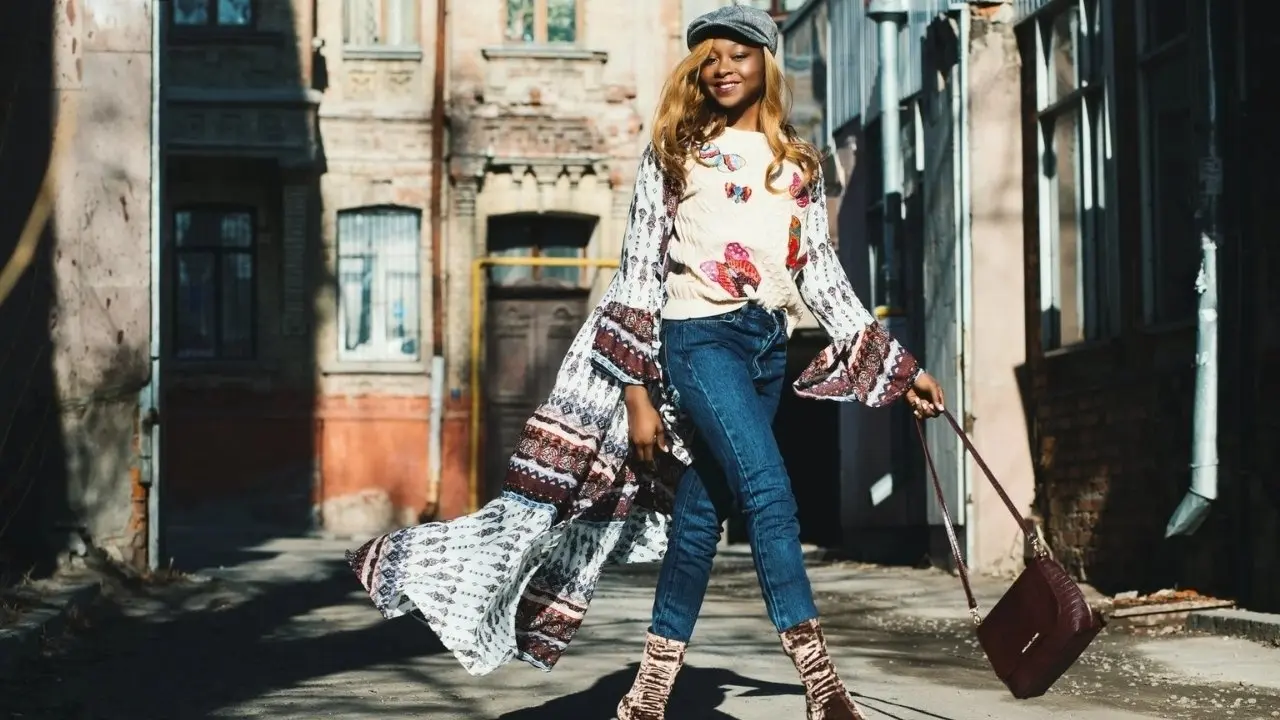
Fashion is cyclical, and in 2026, throwbacks have surged back into the spotlight with an astonishing immediacy. Trends that were once considered outdated or embarrassing are now pivotal parts of wardrobes and fashion runways globally. Garments that had been tucked away are once again emerging as symbols of personal style and comfort.
The current fashion landscape in 2026 isn’t confined to one specific decade but borrows from the late 1990s, early 2000s, and early 2010s. Styles once deemed transitional, like baggy jeans, cropped tops, logo-centric tees, and cargo pants, have become mainstream.
This resurgence is not simply happenstance; it mirrors important cultural movements shaped by nostalgia, generational differences, and an increasing craving for genuine expression amid a fast-paced digital world.
The Spread of Vintage Styles
Although fashion throwbacks are not a new concept, this wave stands out due to its rapid acceptance and widespread reach. Within mere months, previously niche styles became globally recognized, favored by designers and everyday users alike.
Unlike past revivals filtered through high fashion, this trend sprang up organically on social media, where users shared and revived bygone styles.
A simple curiosity has morphed into a movement.
Why the 90s and 00s Are Back
Nostalgia without Pressure
The late 90s and early 2000s symbolize a carefree time, devoid of the pressures of pervasive digital scrutiny. This era evokes feelings of freedom and authentic self-expression.
For those unfamiliar with these times, the fashion remains accessible and fun, celebrating mismatched styles and showcasing individuality.
Social Media’s Role as a Fashion Hub
How Old Trends Made a Comeback
Social platforms didn’t just bolster these throwbacks; they catalyzed their emergence. Videos, style recreations, and nostalgic edits have transformed forgotten fashions into trending topics.
Users have taken to:
Recreating childhood outfits
Thrifting vintage pieces
Styling past trends in contemporary ways
Sharing before-and-after fashion looks
Continuous engagement with familiar styles has led to a rich reselection of fashion history, fueled by everyday individuals rather than high-profile designers.
The Pivotal Role of Gen Z
Gen Z stands at the forefront of this revival, consciously adopting nostalgic styles.
For them:
By embracing throwback fashions, this generation defies traditional hierarchy in fashion, merging luxury and streetwear sensibilities.
Millennials and Nostalgia
While Gen Z drives the trend, millennials play a vital role in its sustainability.
For millennials, past styles:
Nostalgic fashion reconnects millennials with a simpler self, providing emotional support amidst the stress of adult responsibilities.
Key Trends Making a Comeback
The Enduring Appeal of Denim
Denim is a hallmark of this throwback trend, with styles enjoying a revival:
Current denim trends prioritize comfort and attitude over precision tailoring, mirroring a shift toward relaxed fashion.
Bold Graphics and Logos
A departure from minimalism, distinct logos and graphic tees are re-emerging in everyday style, expressive of cultural narratives and individual stories.
Accessories That Define This Era
Accessories are integral in solidifying the throwback revival:
Shoulder bags
Chunky belts
Colored sunglasses
Hair clips and bands
Platform shoes
These details enable modern outfits to convey nostalgic significance, allowing easy integration without a complete wardrobe change.
The Authentic Feel of Throwbacks in 2026
Contemporary fashion can seem excessively refined. Throwback styles offer a welcome contrast by promoting experimentation and celebrating individualism.
Encouraging creative exploration
Lessening the fear of being judged
Honoring personal expression
Challenging strict beauty standards
In a time where self-image is scrutinized, opting for imperfect vintage fashion feels like a stride towards reclaiming self-assurance.
Pop Culture's Impact on Fashion
Fashion interlinks deeply with music, film, and television, providing essential context for the resurgence of throwback styles.
Reboots and retrospective content have introduced earlier fashion epochs to newer generations, while seasoned audiences revisit familiar styles with fresh appreciation.
This shared visual memory fosters a bond across age groups.
The Sustainability Angle
Sustainability significantly underpins the throwback phenomenon.
Minimizing environmental impact
Making fashion affordable
Enhancing unique style choices
Old styles naturally align with thrift shopping, as consumers lean towards authentic pieces rather than fast-fashion replicas.
A Global Trend
This revival transcends geographical boundaries, resonating across diverse cultures, from Indian street fashion to vintage markets worldwide.
Each locality introduces its interpretations:
Such adaptability allows this trend to retain its personal touch.
Designers Following the Crowd
Interestingly, designers haven’t led this revival; rather, they’ve responded to it.
As nostalgic styles gained traction, brands began to incorporate them into their collections, showcasing what everyday people were already embracing.
The Psychology Behind the Fascination
Finding Comfort in the Familiar
During uncertain times, humans naturally gravitate towards familiarity. Fashion, as a visual representation of identity, reflects this impulse.
Minimizing decision fatigue
Providing emotional assurance
Fostering a sense of belonging
Wearing recognizable styles can ground individuals in unpredictable circumstances.
Redefining What It Means to Be Trendy
Historically, trends emphasized novelty. In 2026, the emphasis shifts to reinterpretation.
This transition democratizes fashion, prioritizing creativity over spending power.
The Future of Fashion
The success of this wave suggests that upcoming trends may:
Rework existing styles instead of creating new ones
Celebrate personal narratives over universal appeal
Adopt slower, more meaningful fashion cycles
Rather than relentlessly pursuing the next big trend, fashion may focus on revisiting and refining established styles.
Balancing Nostalgia
While not everyone desires to fully embody a bygone era, the beauty of this trend lies in its adaptability.
You might choose to:
Use a single nostalgic accessory
Combine vintage denim with contemporary pieces
Blend old graphics with modern essentials
The aim is harmony, not a costume.
Distinct from Past Revivals
Unlike previous nostalgia-driven movements that relied on designers or celebrities, today’s revival is collective. It belongs to the wearers, practitioners, and sharers online.
This sense of ownership grants it resilience; even as individual elements fade, the prevailing attitude remains strong.
Conclusion: Fashion’s Inward Journey
The viral throwback fashion trend of 2026 is less about reverting to the past and more about reclaiming authenticity in an often overly curated world.
Through revisiting vintage styles, individuals seek comfort and expression, redefining what fashion can signify, trading perfection for personality and trend-chasing for authentic self-representation.
In essence, this resurgence highlights a fundamental truth: fashion is not lost; it simply awaits its time for re-emergence.
Disclaimer:
This article serves informational and cultural analysis purposes only. Fashion interpretations can vary globally based on individual and cultural distinctions.