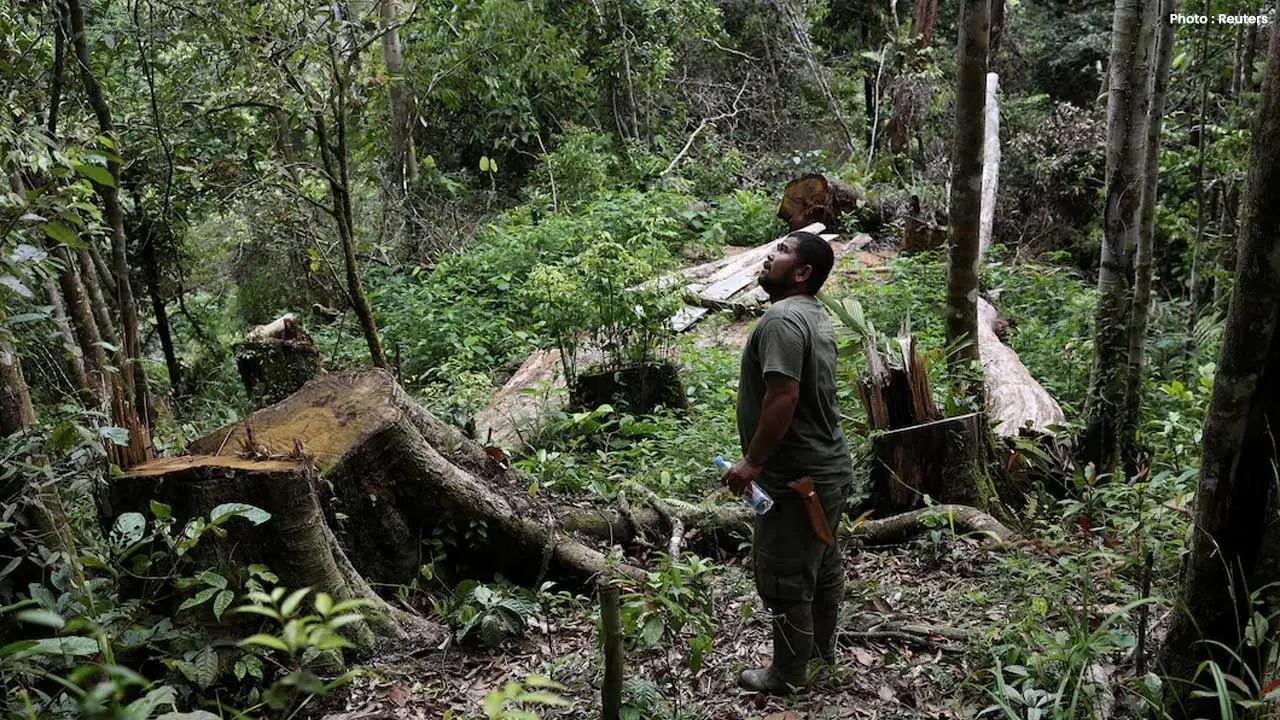
In Sipirok, North Sumatra, Indonesia, wildlife ranger Amran Siagian, 39, has devoted years to safeguarding the critically endangered Tapanuli orangutans. As part of the Orangutan Information Center (OIC) for over five years, his efforts focus on the preservation and monitoring of these rare primates, known to be among the world's most threatened great apes.
Prior to devastating landslides and floods that struck Indonesia two weeks ago, Siagian frequently witnessed the Tapanuli orangutans traversing the lush hills. He recalls the sight of them enjoying durian and other locally grown fruits. These interactions provided Siagian with valuable insights into the orangutans' dietary habits, behaviors, and movements, while also highlighting the fragile connection between local communities and wildlife—occasionally leading both to tensions and collaborative conservation efforts.
The recent natural disasters have wreaked havoc on the region, destroying crucial habitats and significantly threatening the Tapanuli orangutans' survival. Conservation undertakings are now faced with intensified challenges, as rangers like Siagian work tirelessly to ensure the safety of these endangered creatures while supporting community recovery efforts.
Siagian's dedicated work underscores the urgent need for conservation strategies to protect the minuscule and vulnerable population of Tapanuli orangutans. As Indonesia grapples with the fallout from recent floods and landslides, prioritizing the protection of wildlife in the region has become increasingly critical. Conservationists stress the importance of ongoing monitoring, habitat restoration, and engaging local communities to halt the decline of this exceptional species.
This narrative encapsulates the ongoing struggle to reconcile human activity, environmental crises, and wildlife conservation in North Sumatra, shining a spotlight on individuals like Amran Siagian who tirelessly strive to protect some of the planet's rarest primates.