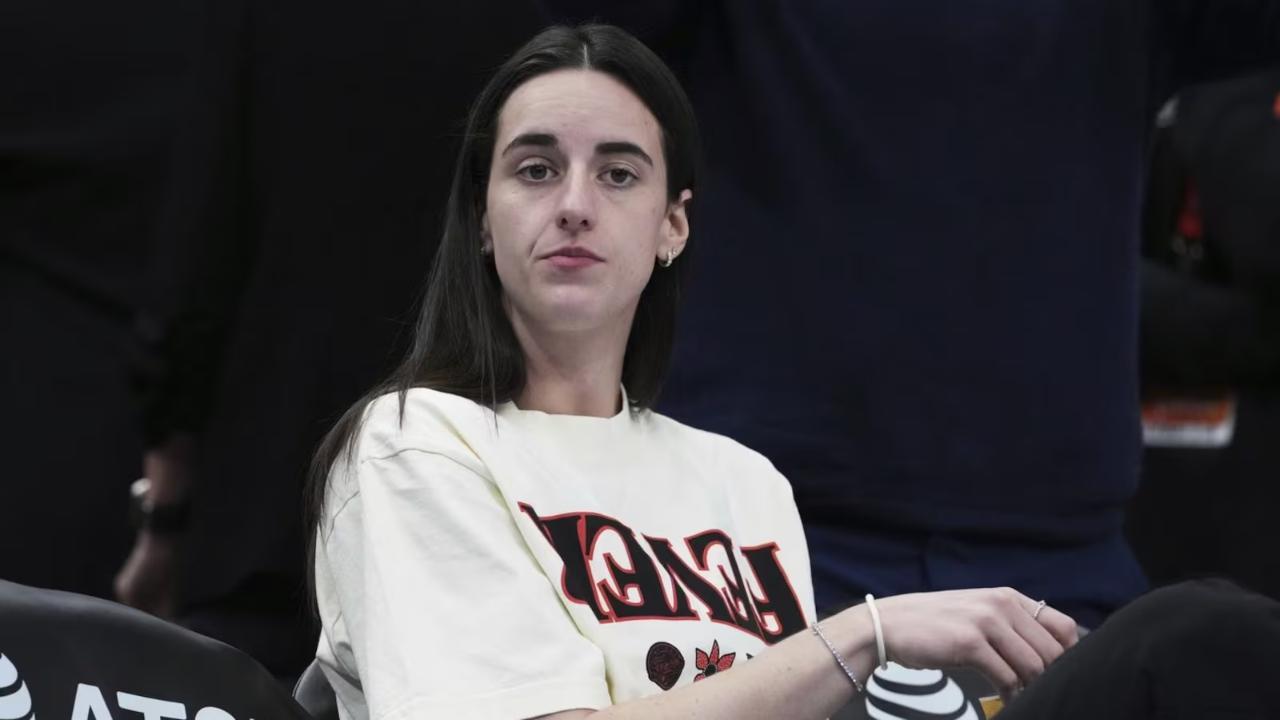
Photo:AP
Indiana Sentencing Follows Guilty Plea in Caitlin Clark Stalking Case
Former tech worker Michael Lewis, 55, pleaded guilty in late July to one felony count of stalking and a misdemeanor charge of harassment of WNBA star Caitlin Clark. The Denton, Texas, resident was sentenced in Indianapolis to 30 months in prison, with credit for time already served, after admitting to sending hundreds of threatening and sexually explicit online messages over several weeks.
Timeline and Nature of Harassment
Lewis’s harassment campaign began in mid-December 2024 and continued into January 2025. He used social media platform X to send messages indicating he was in an “imaginary relationship” with Clark. Several contained violent language, sexual content, and obsessive details. According to court documents, at least one message claimed he had driven past Clark’s residence multiple times daily.
Cross-State Behavior Escalates FBI Involvement
Lewis traveled to Indianapolis, where Caitlin Clark plays for the Indiana Fever. The FBI traced messages to a downtown hotel and a public library near the Fever’s home arena. Police made a welfare check on Lewis after escalating concerns. Lewis claimed he was vacationing and insisted his messages were harmless expressions of admiration—not threats.
Courtroom Drama Highlights Mental Instability
During his sentencing hearing, Lewis exhibited erratic behavior. He referred to apocalyptic beliefs, chewed on headphones, and uttered religious and philosophical remarks. He initially pleaded "not guilty" in January and then reversed his plea mid-hearing in July, stating: “guilty as charged.” The judge admonished him several times, emphasizing that a guilty plea demands acknowledgment of wrongdoing.
Court Orders and Safety Measures for Caitlin Clark
Lewis must adhere to several strict court-mandated restrictions:
-
No contact with Caitlin Clark
-
Banned from attending events at Gainbridge Fieldhouse, Hinkle Fieldhouse, and Indiana Fever or Pacers games
-
Prohibited from using the internet during his incarceration
Clarity on Prison Time and Rehabilitation Recommendations
The 30-month sentence includes time served since Lewis’s January arrest—resulting in approximately 18 months remaining. The judge also recommended that Lewis undergo mental health evaluation and treatment during his sentence, reflecting concerns over his conduct and emotional state.
Impact on Caitlin Clark
Clark publicly reported feeling afraid and altered her daily routines and public appearances during the stalking period. Prosecutors noted she feared for her life. As a high-visibility WNBA superstar, Clark expressed frustration that her privacy was breached and her sense of safety compromised by behavior that crossed from digital obsession into real-world intrusion.
Broader Context: Celebrities and Stalker Threats
Law enforcement and legal analysts emphasized that this case highlights growing concerns over online harassment and celebrity targeting. Messages that begin as trolling or boundaryless fandom can quickly escalate into credible threats. Prosecutors praised Clark’s decision to report the harassment and supported her assertive legal response, noting the difficulty many women face in coming forward.
League and Safety Implications
This incident has prompted scrutiny on how the WNBA and related organizations monitor threats and support player security. Reddit and fan communities sparred over what leagues can do to prevent such incidents, including suggestions for social media monitoring systems, hotlines for fans to report harassment, and improved personal security protocols for high-profile athletes.
Legal and Social Lessons
The case serves as a cautionary tale about the risks of unchecked digital behavior. A one-sided fantasy—what Lewis described as an “imaginary relationship”—turned into criminal stalking. Legal professionals point out that courts are increasingly treating digital harassment seriously, particularly when it involves obsessive behavior or perceived threats.
Moving Forward: The Role of Prevention and Monitoring
Experts argue that athletes and public figures, especially those rising rapidly in fame, need proactive safety strategies. These include coordinated monitoring of social media threats, collaboration between teams, leagues, and local law enforcement, and support resources for victims experiencing digital stalking.
As Michael Lewis serves his sentence, Caitlin Clark and advocates hope the case underscores the need for better preventive tools, public awareness, and systemic responses to online harassment—before it escalates further.