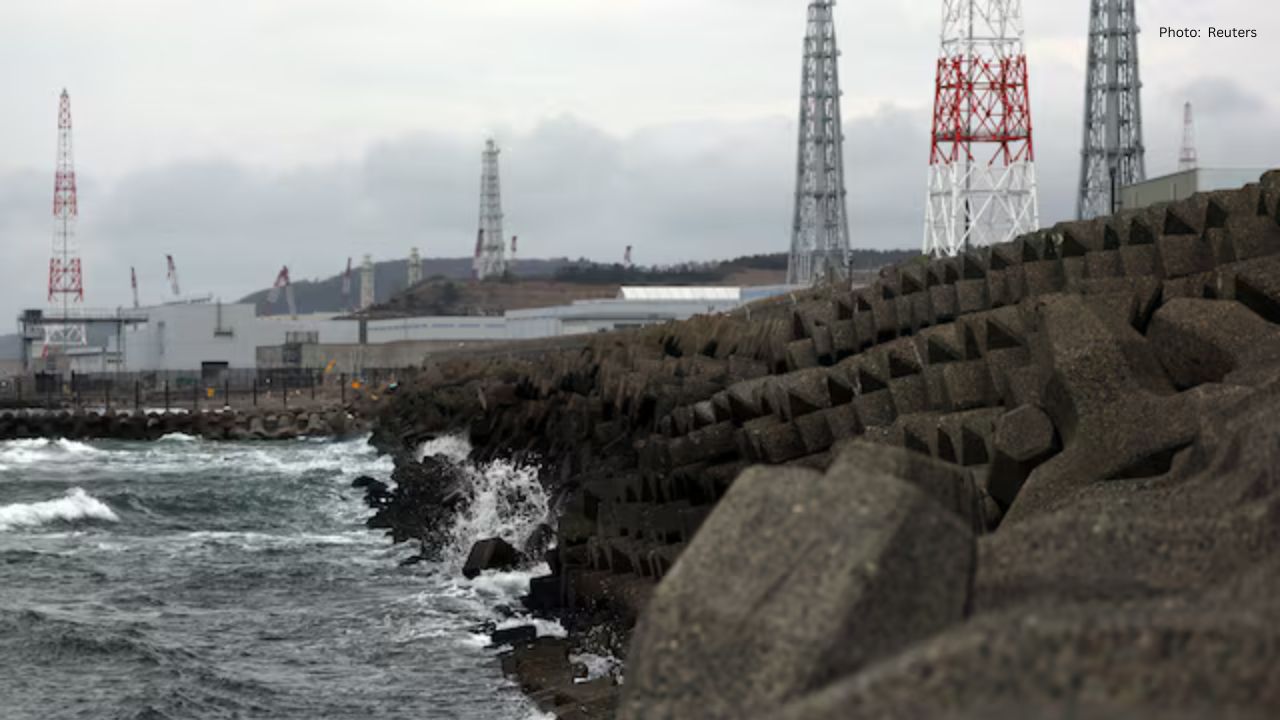
Japan is gearing up to reactivate the world’s largest nuclear power facility, a significant development in its energy policy more than ten years post-Fukushima. Tokyo Electric Power Company (TEPCO) announced that it will bring the first unit of the Kashiwazaki-Kariwa nuclear power plant back online on January 20.
Located in Niigata prefecture, approximately 220 kilometers northwest of Tokyo, the Kashiwazaki-Kariwa facility has a total capacity of 8.2 gigawatts, sufficient to provide electricity to millions of homes. This restart will reinstate one of its reactors, which has a capacity of 1.36 gigawatts, while an additional unit of the same capacity is anticipated to be reactivated by 2030.
This move follows a favorable vote from the Niigata prefectural assembly earlier this week, allowing for a partial restart. It marks the first time TEPCO has restarted a nuclear reactor since the Fukushima Daiichi nuclear disaster in 2011, which was triggered by a powerful earthquake and tsunami that led to a meltdown and the suspension of most nuclear operations in Japan.
TEPCO's President, Tomoaki Kobayakawa, emphasized the company’s acknowledgment of its responsibilities after the Fukushima incident, assuring that safety will remain the highest priority. The process will be guided by the lessons learned from that past catastrophe, with a stringent adherence to safety protocols.
Following the 2011 disaster, Japan halted operations at all 54 of its nuclear reactors, with only 14 out of the 33 still operable units having resumed service since. This has forced Japan to depend heavily on imported fossil fuels, raising costs and carbon emissions.
Recently, the government has focused on reintegrating nuclear energy into its energy plan. In November, it revealed plans for a public loan initiative aimed at supporting the nuclear sector, targeting an increase in nuclear energy's share of the electricity grid. The restart of the Kashiwazaki-Kariwa plant is viewed as a crucial step towards achieving this objective.
TEPCO has indicated that it might permanently close some of the remaining five reactors based on forthcoming safety assessments and energy requirements. Public sentiment surrounding nuclear power remains polarized in Japan, with numerous citizens expressing ongoing safety concerns.
This anticipated restart reflects a careful yet definitive transition in Japan’s energy policy. As the nation strives to assure reliable energy sources and lessen its reliance on foreign fuels, the Kashiwazaki-Kariwa facility is poised to be a pivotal player in shaping the future of Japan's energy landscape.