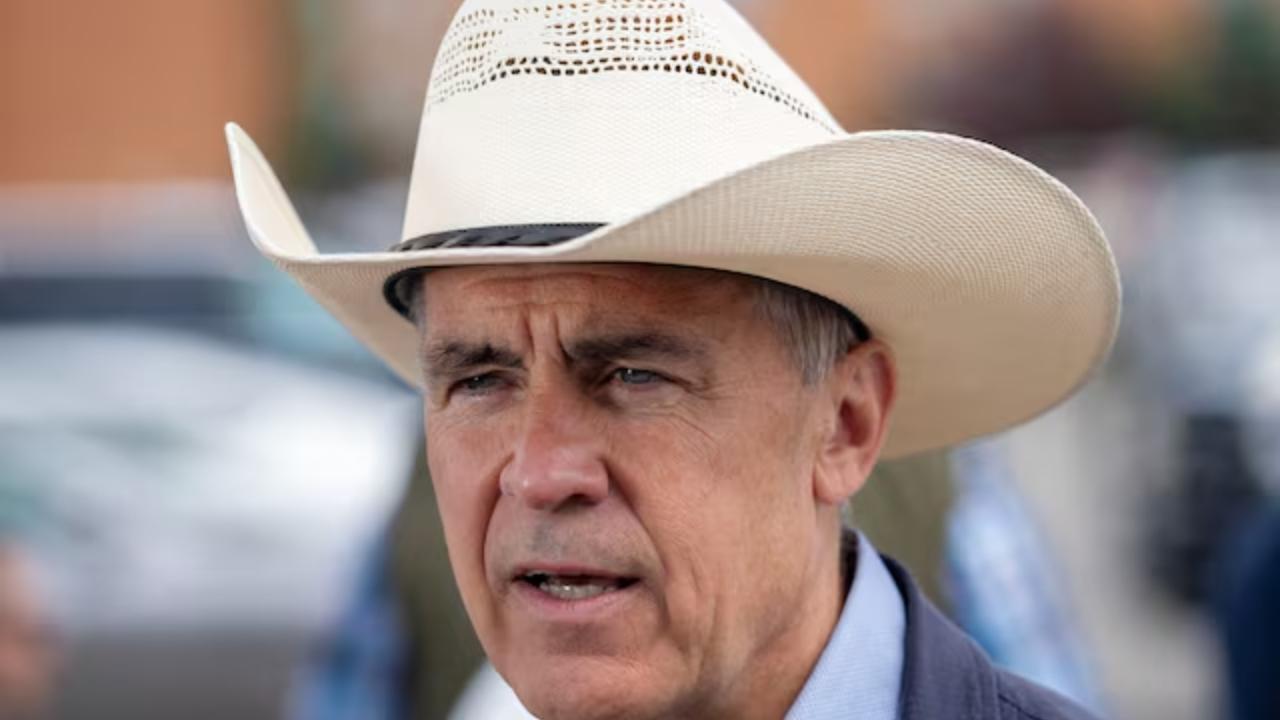
Photo : Reuters
A Grand Finale for Calgary’s 10-Day Festival The 2025 Calgary Stampede concluded its thrilling 10-day run on July 13, drawing tens of thousands of visitors to Stampede Park for the final fireworks, rodeo finals, and live performances. As attendees bid farewell, event organizers reflected on another successful year that celebrated tradition, showcased Western culture, and fostered community unity throughout the city. The closing ceremony on the final Sunday night ended with a dazzling fireworks show that lit up the skies above Calgary, signifying not just the end of a festival but a reaffirmation of its cultural and economic significance.
Attendance Approaches All-Time High Calgary Stampede’s popularity lived up to expectations this year, with daily attendance nearing milestone figures. On July 11, the gates welcomed 128,304 visitors—putting the event on track to challenge its all-time attendance record of 1.48 million set in 2024. Over 10 days, the event sustained steady crowds, blending locals and international travellers enjoying everything from rodeo events to the exhilarating midway. Visitors flocked from all across Canada, the United States, Europe, and Asia, turning Calgary into a cosmopolitan hub of cowboy hats and denim jeans, all united by the celebration of Western heritage.
Western Spirit on Full Show From barnstorming chuckwagon races and daring bull-riding to Indigenous pow-wow ceremonies and nightly stage shows, the Stampede offered a vibrant mix of tradition and spectacle. This year’s rodeo featured several record-breaking performances, with a notable ride by Texan cowboy Eli Watkins, who scored a near-perfect 94 in saddle bronc riding. The chuckwagon races remained a crowd favourite, with fans cheering passionately as teams thundered around the track in a flurry of hooves, dust, and horsepower.
The music lineup was more diverse than ever, featuring artists like Brett Kissel, Tenille Townes, The Weeknd, and Métis fiddler Sierra Noble. Cultural pavilions and family zones were expanded to include hands-on experiences such as lasso lessons, mock cattle herding, and culinary classes teaching visitors how to prepare traditional Alberta beef dishes. The spirit of inclusiveness and community engagement was evident across every venue.
Economic and Cultural Impact Historically, the Stampede carries significant economic weight. According to Calgary Stampede Corp., the 2025 event likely generated an estimated $282 million in direct economic activity across Calgary and southern Alberta. Local businesses across the hospitality, retail, and transportation sectors reported massive surges in revenue, while employment opportunities—temporary and permanent—saw a significant uptick.
Beyond the financial gains, the festival amplifies Calgary’s image as “Cowtown”—marking the city with western themes, pancake breakfasts, and city-wide cowboy fashion, creating a citywide party atmosphere. Over 800 free community pancake breakfasts were served during the festival, with volunteer griddles flipping tens of thousands of flapjacks under sunny skies and cheerful country music.
Crowd Management and Safety Challenges While celebrations were abundant, organizers and city officials navigated multiple crowd-health incidents and safety concerns—ranging from overcrowding at prime rodeo vantage points to a few knife wounds and, unfortunately, the passing of one animal in the park. These compounding challenges prompted intensified security reviews and public-safety protocols, including expanded medical stations, volunteer marshals, and routine animal-inspector checks.
Drone surveillance, additional mounted police patrols, and mobile emergency response units helped prevent incidents and keep disruptions to a minimum. Thanks to coordinated efforts between city law enforcement and private security firms, the 2025 Stampede had fewer violent incidents than previous years, despite the larger crowds.
Police, Health and Crowd Response Efforts The Calgary Police Service worked in tandem with emergency responders and medical teams to manage crowd flow, particularly during peak rodeo finals and headline concerts. First-aid stations delivered prompt care for minor injuries, and mental-health professionals were available for anyone affected by distressing incidents. These layered responses aimed to keep the event both fun and safe.
Daily updates via social media and a new Stampede Safety App kept attendees informed of traffic advisories, lost and found alerts, and emergency guidelines. The app saw over 100,000 downloads and was praised for increasing transparency and real-time communication during the event.
Viral Moments Define Stampede Spirit Among the many memorable instances, one spontaneous two-step during a downpour in the outdoor plaza captured hearts online. The video of the couple dancing in cowboy boots and smiles under the rain was shared by thousands, with social media users declaring it a quintessential moment of Canadian joy and resilience.
Other viral moments included a 93-year-old grandmother riding a mechanical bull while her grandchildren cheered, a flash mob line dance at the Saddledome, and a surprise appearance by pop star Shawn Mendes, who took the stage for an impromptu acoustic performance at the Coca-Cola stage.
The Animal Welfare Debate Despite its popularity, the Stampede faces scrutiny over animal welfare—especially concerning chuckwagon races and rodeo practices, where accidents occasionally result in injuries or fatalities. In 2025, the loss of one horse during a chuckwagon heat rekindled debate among advocacy groups about animal safety protocols.
Organizers responded swiftly by suspending races involving the injured horse’s team, conducting an independent veterinary review, and pledging increased transparency in animal care reports. Stampede leadership reiterated its commitment to working with animal welfare experts to ensure the humane treatment of all animals involved.
Organizing at Scale: Logistics and Volunteerism Delivering an event of this size required meticulous planning and thousands of hours of volunteer labour. Stampede Corp. recruited over 5,000 volunteers for roles in parking, guest greeting, language help, and rodeo crew. These community members were key to maintaining efficient citywide transportation links, accessible spaces for families, and smooth arena logistics.
The Calgary Transit system extended its hours and added special express services to and from Stampede Park. Parking areas were enhanced with better signage, digital booking systems, and increased accessibility for seniors and persons with disabilities.
Local Businesses See Stampede Surge Calgary’s downtown hospitality sector rejoiced at the influx. Hotels reported near-capacity bookings, while restaurants, bars, and retail stores saw a marked bump in revenue. Anecdotal reports suggest that for every dollar spent inside Stampede Park, an estimated $2.65 circulated in the wider city—showing how the Stampede continues to power Calgary’s tourism economy.
Bar owners in the Beltline District said sales during Stampede week rivaled those of New Year’s Eve and Canada Day combined. Meanwhile, Western wear retailers saw their best sales in over a decade, as cowboy hats, boots, and belt buckles flew off the shelves.
First Nations Pow-Wow and Cultural Reconciliation This year’s pow-wow was a standout, featuring performances by Indigenous drummers, dancers, and ceremonial figures from across North America. Leading Elder Cheryl Crowchief told reporters the gathering honoured “resilience, renewal, and shared traditions.” These meaningful cultural exchanges contribute to reconciliation, education, and respect among visitors and locals alike.
The Elbow River Camp hosted over 25 teepees representing different First Nations tribes. Workshops in beadwork, storytelling, and traditional medicine were fully booked, reflecting growing public interest in Indigenous culture and wisdom.
Media Coverage and National Spotlight Media outlets, including CTV, Global, and CBC, delivered round-the-clock reporting on event highlights and challenges—from record attendance to social happenings and incidents. Specials tackled everything from volunteer profiles to safety advisories, projecting Calgary’s vivid cultural tapestry to viewers across Canada and internationally.
For the first time, the event was broadcast live in five languages—English, French, Mandarin, Punjabi, and Plains Cree—demonstrating a commitment to accessibility and multicultural engagement. A documentary crew from the BBC also filmed a feature for an upcoming segment on global festivals.
Evaluation and Strategy for 2026 Post-event debriefs are already underway. Stampede Corp. is analyzing attendance trends, incident reports, wallet-flow metrics, and volunteer feedback to refine next year’s blueprint. Priorities include enhancing queuing systems, improving animal safety protocols, and creating more inclusive programming while preserving fireworks spectacles and concert lineups that draw headline numbers.
There is also growing interest in expanding the Stampede’s presence through year-round programming, such as traveling rodeo exhibits, school outreach programs, and international partnerships with other global fairs and festivals.
Looking Ahead: Stampede in a Changing World As Canadian cities diversify and global travel resumes post-pandemic, the Calgary Stampede continues to evolve without losing its western identity. Innovations like virtual rodeo broadcasts, zero-waste initiatives, and expanded Indigenous partnerships reflect efforts to modernize while maintaining tradition. With future investment in green infrastructure and urban resilience, the Stampede aims to remain iconic and community-minded for generations.
Sustainability goals for 2026 include doubling recycling output, eliminating single-use plastics on site, and partnering with Alberta-based renewable energy firms to offset event emissions. There is also a planned increase in sign language and visual aids to make programming more inclusive for visitors with disabilities.
In the words of Stampede CEO Dan Hallworth: “We’re not just putting on a festival—we’re building a legacy. One that reflects our roots while embracing the future of this city and this country.”