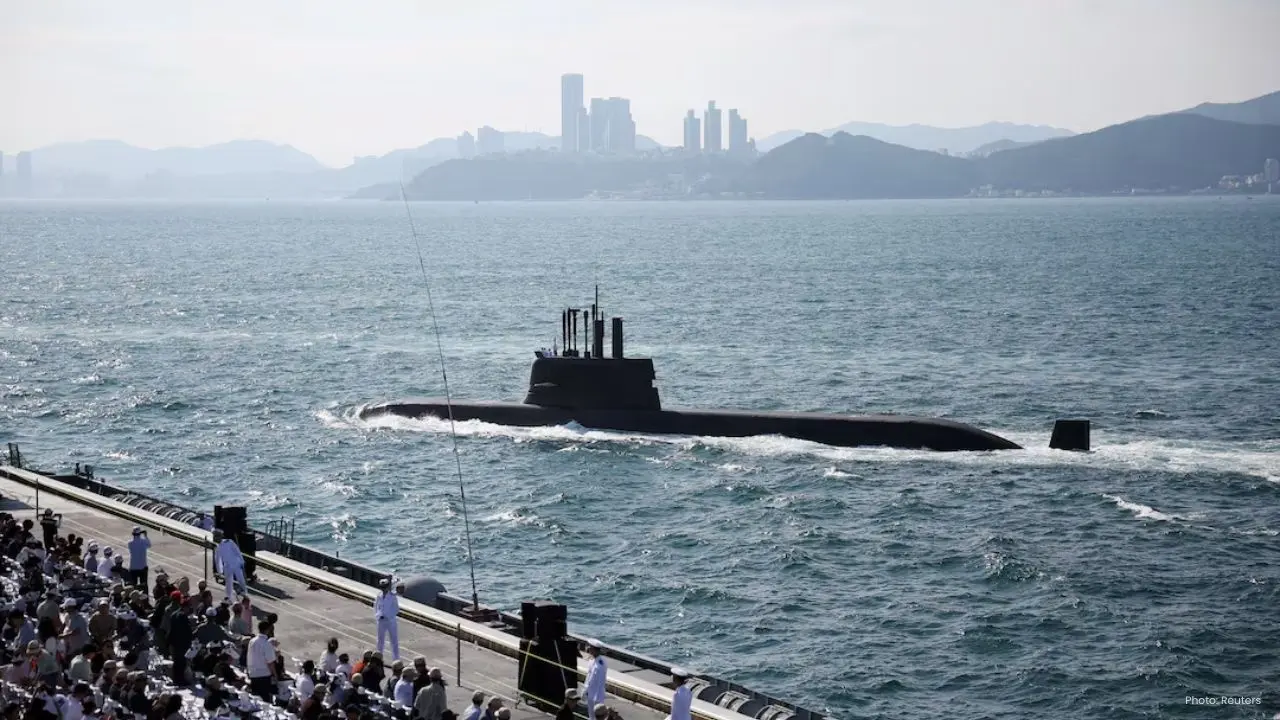
South Korea is ramping up its development of nuclear-powered submarines following a significant endorsement from former U.S. President Donald Trump, effectively ending years of American resistance. This strategic shift could transform regional security dynamics and ignite an underwater arms race across East Asia.
Seoul has long aimed to join the ranks of nations operating nuclear submarines, primarily to counter North Korea's escalating underwater threats, including submarine-launched ballistic missiles. Trump's endorsement permits South Korea to access nuclear fuel through a bilateral agreement, eliminating a substantial hurdle for the program.
The initiative has garnered considerable attention in the region. Analysts predict a cautious reaction from China, while Japan may be pressurized to reassess its naval strategies. Nuclear-powered submarines are not only faster but can remain submerged for extended periods, thus broadening operational capabilities and shifting naval balances in the region.
South Korea's ambitious plans are rooted in years of groundwork. The country first contemplated nuclear propulsion for submarines in 1994 during a North Korean nuclear crisis. Although technical challenges hindered progress, South Korea has progressively advanced its capabilities, developing foundational submarine designs while nearing reactor assembly. Defence officials project the first vessel to be operational within a decade, with plans for at least four 5,000-tonne nuclear submarines.
North Korea has cautioned that this advancement might instigate a "nuclear domino" effect, with reports suggesting that Pyongyang could be receiving technical support from Russia. Meanwhile, Japan has recognized nuclear propulsion as an option but has yet to commence formal studies.
The U.S. frames its support as part of a broader strategy to bolster regional deterrence and fortify alliances against expanding Chinese military influence. South Korea stresses that the program is for defensive purposes only, focusing solely on countering threats from North Korea, while maintaining its commitment to international non-proliferation initiatives.
As South Korea positions itself as a leader in naval modernization in the region, the next few years could reshape undersea warfare in East Asia, with nuclear-powered submarines becoming central to a new strategic equilibrium.