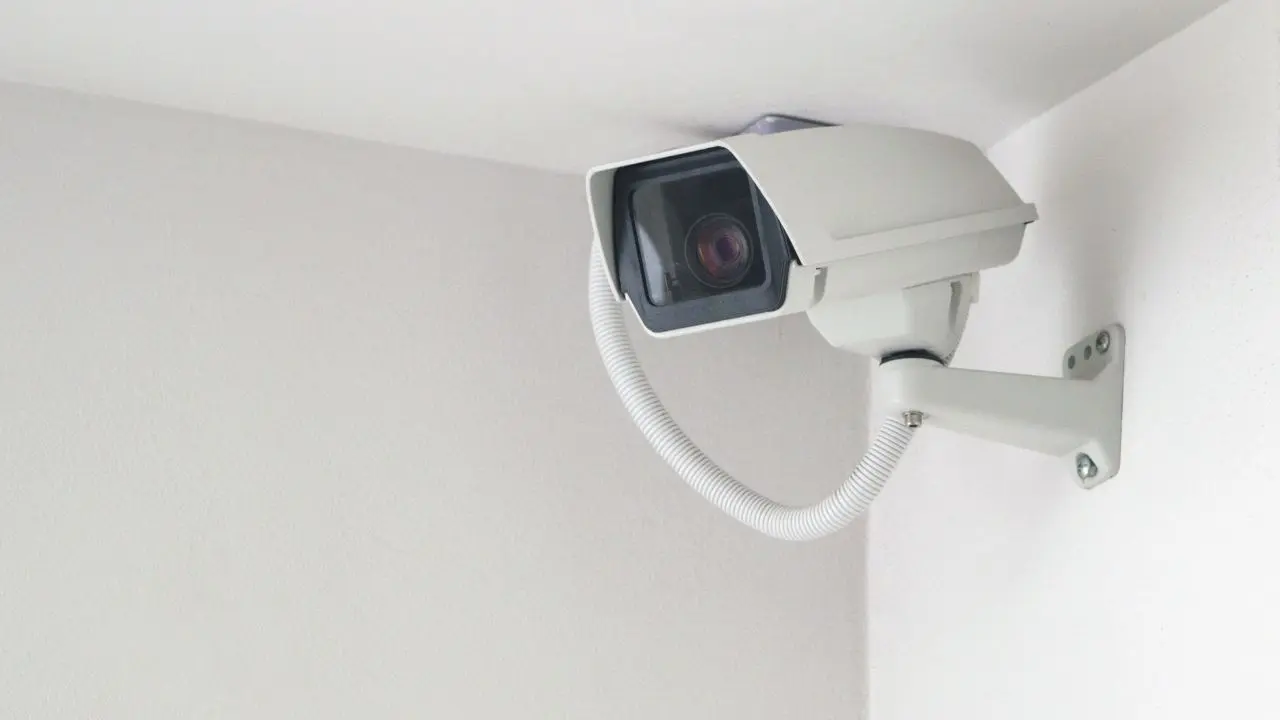
A significant cybersecurity breach has alarmed South Korea, with over 120,000 surveillance cameras for homes and businesses discovered to have been hacked. This invasion of privacy resulted in the creation and online sale of sexually exploitative videos documenting intimate moments.
Authorities apprehended four individuals believed to be behind this extensive hacking scheme. Investigators noted the culprits primarily targeted affordable IP cameras, which many households and small enterprises favor over traditional CCTV systems. These devices were particularly vulnerable as numerous users failed to change their default passwords.
Victims of this intrusion included places where privacy was presumed—such as personal rooms, karaoke venues, a Pilates studio, and even a gynecologist’s office. Revelations from the investigation highlighted the staggering scope of the operation: one suspect was linked to hacking 63,000 cameras and producing 545 illicit videos, amassing around 35 million won (about ₹21 lakh). Another individual hacked 70,000 cameras, selling 648 videos for 18 million won (approximately ₹10.8 lakh).
These two suspects represented nearly 62% of all unlawful videos shared on a particular platform over the past year.
Victims have been located across 58 different sites. Law enforcement is aiding them in changing their passwords, securing their devices, and removing unauthorized content from online platforms. Officials are advising IP camera users to promptly modify their passwords and remain vigilant against any unusual behavior.
This incident follows a recent cyberattack exposing personal information of over 33 million users from Coupang, one of South Korea's largest e-commerce services, marking it as the country's most severe data breach in over ten years.
The rise of these cyber threats has heightened awareness surrounding digital security, especially as an increasing number of individuals rely on interconnected devices that may lack the essential protections.