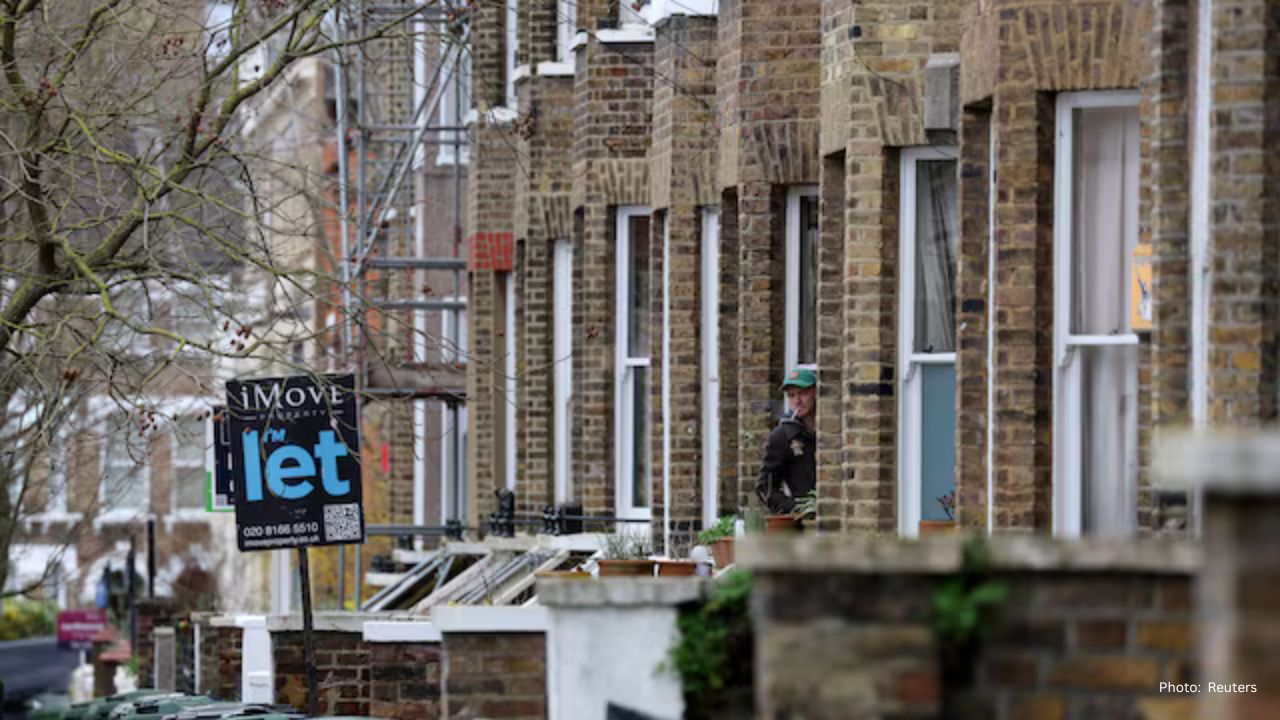
In October, British banks granted fewer mortgage approvals compared to September, although the numbers remained above expert expectations. This minor decline reflects the cautious financial choices made by consumers in the UK amidst evolving tax regulations and economic volatility.
As per the Bank of England, a total of 65,018 mortgages were approved in October, down from 65,647 in September, marking the lowest figures since May. Economists had anticipated only 64,200 approvals, hence the actual number was surprisingly robust. The market's resilience amidst these changes has caught some analysts off guard.
The slow down followed the recent budget announcement from Finance Minister Rachel Reeves, which introduced increased taxes on high-value properties. Such fiscal changes have sown uncertainty among homebuyers and investors, curbing their enthusiasm in the market. These measures were designed to improve government financial health and control spending.
Moreover, re-mortgage approvals saw a significant decrease, representing the largest drop since February. Many homeowners appear hesitant to alter their mortgage arrangements, concerned about the anticipated effects of new taxation on their financial plans.
Net mortgage lending also edged down, from 5.223 billion pounds in September to 4.273 billion pounds in October. This decline hints at fewer finalized home transactions, as many potential buyers may be deferring their decisions pending clarity on future taxation and interest rates.
Simon Gammon, managing partner at Knight Frank Finance, highlighted that the uncertainty around tax hikes and ongoing policy leaks has dampened housing market confidence. Despite this, he noted the minimal nature of approval declines and emphasized that monthly activities are nearing pre-pandemic levels, indicating a cautiously active yet stable market.
Encouragingly, experts believe that the uncertainty is starting to diminish. With anticipated base rate cuts from the Bank of England in December, borrowing could potentially become more affordable, possibly reigniting housing market activity.
The data from the Bank of England also indicates a slowdown in consumer borrowing growth in October. Net consumer credit increased by 1.1 billion pounds, falling short of the 1.35 billion pounds projection by economists and down from the 1.398 billion pounds recorded in September. Nonetheless, the annual growth rate for consumer credit has remained stable at 7.2%, one of the highest levels since late 2024.
This dip in borrowing aligns with the government's pre-budget caution signal. Recent reports of declining retail sales and consumer confidence in October suggest households are tightening their budgets and becoming increasingly wary of the economic landscape.
Overall, the mortgage and borrowing statistics emphasize a trend of caution among UK consumers. In the face of rising taxes and ongoing economic uncertainty, both buyers and borrowers seem inclined to wait for clearer indicators before making significant financial commitments. Should interest rates decrease in December, it may revitalize both the housing sector and consumer expenditure.