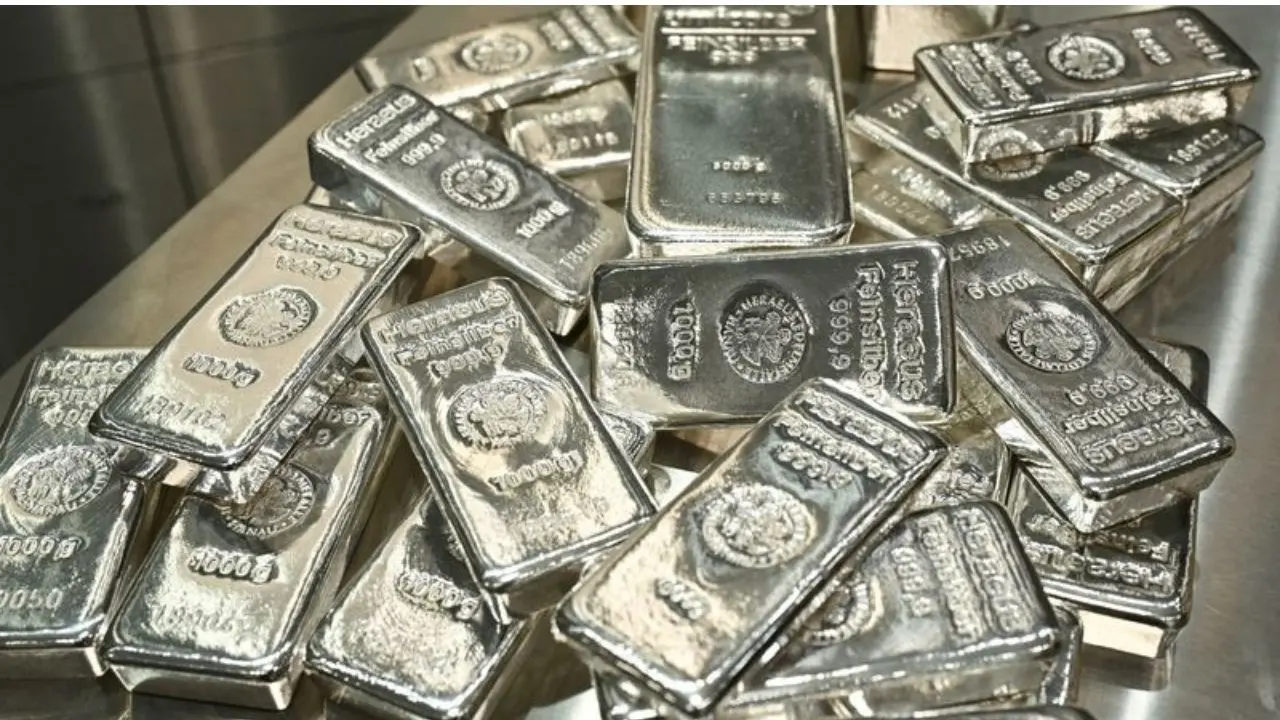
Historic Surge in Silver Prices
On January 19, 2026, silver prices in India reached an incredible milestone as spot silver exceeded ₹3 lakh per kilogram for the first time ever. This significant rise reflects a robust appreciation in silver’s value, driven by a myriad of global economic factors, geopolitical tensions, surging investor interest in safe-haven assets, and strong demand from industrial sectors. This unprecedented rise was evident on the Multi Commodity Exchange (MCX), where futures contracts surged to all-time highs across major Indian cities.
This analysis dives into the intricate factors contributing to this remarkable price surge, situating it within a broader economic context and speculating on the implications for investors, industries, and market analysts. We explore the key drivers, compare price performances against gold, and assess demand-supply dynamics, historical pricing trends, and the potential risks and opportunities this bullish phase presents.
Details Behind the Silver Price Milestone
Significant Gains on Local Exchanges
In the opening trading sessions on the MCX, March delivery silver futures saw a rapid increase, surpassing the psychologically important ₹3 lakh per kilogram mark. The rise was swift and marked by enthusiasm from traders and investors alike.
Spot prices in prominent Indian cities such as Delhi and Hyderabad reflected this trend, with quotes exceeding ₹3,04,000 per kilogram—significantly higher than previous closing figures.
This surge signifies not just a modest increase; it marks a structural upheaval in pricing dynamics, reaffirming silver's new status as a vital investment asset in today’s economic landscape.
Global Influences Impacting Prices
Safe-Haven Appeal Amid Global Uncertainty
The escalation in global silver prices can largely be attributed to an increase in safe-haven interest. Amid ongoing geopolitical conflicts—characterized by trade disputes and tariff uncertainties—investors are channeling funds into stable assets. Silver, akin to gold, benefits from this trend, with its lower price point making it attractive for a wider array of retail investors.
Recently, international spot silver reached above $94 per ounce, illustrating the metal's resilience on the global market. This international pricing has a direct effect on domestic silver rates when considering currency conversions and local premiums.
Currency Fluctuations and Import Costs
The weakness of the Indian rupee against the U.S. dollar has exacerbated gains in domestic silver prices. Commodities priced in dollars become dearer in rupee terms as the local currency depreciates, which drives up import costs that eventually affect spot and futures markets.
The relationship between currency valuations and commodity prices adds further momentum to precious metals whenever foreign exchange scenarios are unfavorable, as seen in the latest price surge.
Demand Drivers: A Blend of Safe Haven and Industrial Use
Increased Investment and Market Activity
Silver stands out among commodities due to its dual roles as an investment asset and industrial metal. During uncertain economic times, traditional safe-haven assets like gold attract investment, while silver benefits alongside it, often more erratically. Since early 2025, silver pricing has seen a dramatic uptick, bolstered by capital inflows from diversified investment strategies.
Investment vehicles such as silver Exchange-Traded Funds (ETFs) and futures contracts have witnessed heightened activity, showcasing that investor interest extends beyond speculation into strategic territory, with a year-on-year price increase of over 200 percent marking a substantial change in sentiment toward silver.
Industrial Demand and Supply Issues
Contrary to gold, which primarily relies on investment and jewelry demand, around 60 percent of silver's global demand comes from industrial applications—covering everything from electronics to renewable energy components. As the tech and green energy sectors grow, the physical demand for silver is poised to increase.
While demand surges, supply constraints—such as limited mining output—can further tighten markets, driving prices upward. These subtle supply-side pressures become particularly notable during periods of heightened demand.
Local Market Reactions: Consumer Behavior and Demand
Impact on Physical Silver Demand
The drastic rise in silver prices has had varied repercussions within India’s physical metals market. On one hand, this rally indicates robust investor interest; on the other hand, retail demand for silver jewelry and physical bars has cooled, as higher prices deter immediate purchases. Reports show that local markets are experiencing temporary price reductions to stimulate demand.
Meanwhile, India's silver imports have surged, suggesting that, despite elevated prices, local industries and distributors are securing inventories, likely anticipating sustained demand or further increases in prices.
Silver vs. Gold: A Comparative Analysis
Simultaneously, gold prices have also hit new highs alongside silver, with 10 grams of gold trading around ₹1.48 lakh. This typical co-movement of both metals during risk-off market phases proves investors are gravitating toward tangible assets.
However, silver's sharper increases reinforce its emerging identity as not only a safe-haven investment but also a crucial industrial metal—beyond just a jewelry option.
Historical Context: The Evolution of Silver's Value
Silver boasts a long-standing association with wealth and preservation, dating back to ancient economies. In India, it was historically minted into rupee coins, with its value fluctuating greatly across centuries. Today, silver prices are determined on global exchanges in dollars and converted to local currency values, bridging its historical significance with modern financial mechanisms.
The recent trajectory of silver prices signifies a marked acceleration compared to earlier trends, indicating that the current bullish movement may be of a structural nature rather than a temporary cycle.
Market Insights and Expert Opinions
Market analysts highlight several essential themes driving the current rally:
-
Geopolitical tensions prompting a spike in safe-haven interest.
-
Weakened dollar dynamics raising costs of dollar-priced commodities.
-
Industrial demand from renewable energy and electronics sectors.
-
Supply challenges hampering immediate output and expansion.
Though these elements offer a snapshot of the current price landscape, experts warn that silver remains more prone to volatility compared to gold, suggesting the potential for sharp corrections even amidst broader upward trends.
Market Risks and Considerations
Price Volatility Trends
Rapid shifts in pricing are often succeeded by increased volatility and short-term corrections. Silver’s price history features periods of substantial drop-offs following sustained price rallies, highlighting the metal's tendency for price fluctuations.
Market participants should recognize that while safe-haven demand and industrial usage bolster long-term value, shifts in trader sentiment and macroeconomic news may heighten short-term volatility.
Balancing Investment and Physical Demand
Investors must discern between investment-driven pricing and the fundamentals of physical demand. Rising prices may temper retail demand, thereby potentially moderating upward momentum even as financial inflows continue robustly.
Implications for Stakeholders
Investor Perspectives
The psychological threshold of ₹3 lakh per kilogram fortifies silver’s role as a portfolio diversifier. Long-term investors may see this as validation of silver’s strategic importance, especially given inflationary pressures and geopolitical uncertainties. However, prudent risk management remains vital due to the metal's tendency for volatility.
Impacts on Industry
Industries that utilize silver—like photovoltaics and electronics—may face heightened cost challenges, influencing their pricing and sourcing strategies. These sectors will keenly watch price developments to effectively manage procurement expenses in relation to demand conditions.
Considerations for Retail Consumers
Purchasers contemplating silver for jewelry or gifts should balance present price levels against historical movements and anticipated near-term volatility. Elevated prices may signify premium entry points, tempering immediate demand.
Conclusion: A Pivotal Point in Silver Market Dynamics
Silver's ascension past the ₹3 lakh per kilogram threshold in India signifies a transformative moment in its market participation. This development reflects not only immediate global and domestic influences but also a broader reevaluation of silver’s significance—melding its historical value with contemporary investment and industrial considerations.
While the path ahead is subject to various macroeconomic and geopolitical factors, this landmark achievement emphasizes silver's renewed importance in the financial and commercial landscapes. Investors, industries, and market analysts alike will remain vigilant, observing price movements as silver’s journey progresses beyond this momentous milestone.
Disclaimer:
This article presents an independent market examination based on the latest pricing data and expert insights. It is intended for informational purposes only and does not constitute financial advice. Readers and investors are encouraged to conduct their own inquiries or consult with professional advisors prior to making investment choices.