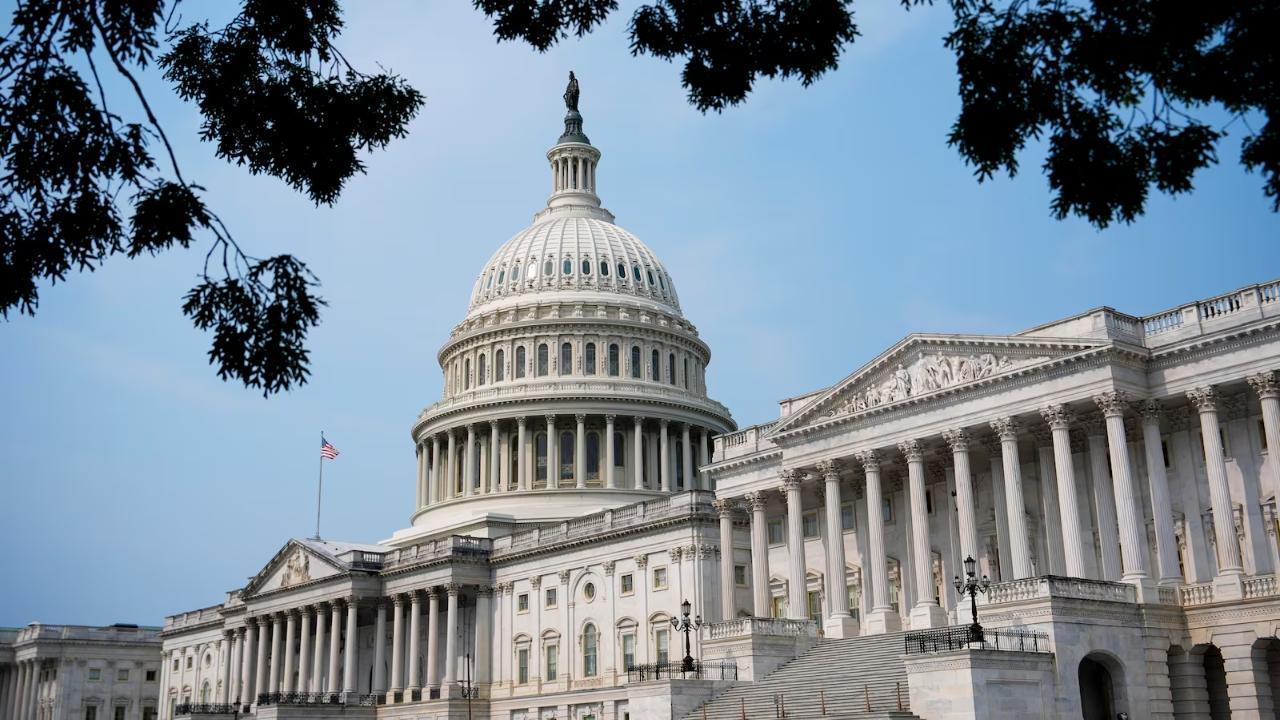
Photo:AP
A New Era of Sanctions Strategy
In mid‑July 2025, a bipartisan coalition of United States senators introduced sweeping legislation aimed at radically intensifying pressure on the Russian Federation. Dubbed the “Sledgehammer Sanctions Act,” the bill would give former and potentially future President Donald Trump extensive authority to impose crippling sanctions on Russia’s economy, government institutions, and critical energy sectors. It also aims to target third-party countries and companies that continue purchasing Russian oil, gas, or uranium—effectively extending U.S. sanctions policy beyond Russia’s borders and into global energy markets.
The move is seen not just as a rebuke of Russia’s continued aggression in Ukraine but as an effort to redefine U.S. foreign policy under Trump’s anticipated second term. Should this legislation pass, it could mark one of the most significant economic escalation points in U.S.-Russia relations since the Cold War. The implications would ripple through international trade, global energy pricing, diplomatic relations, and military strategy.
Bipartisan Powerhouse Behind the Legislation
The bill is co-sponsored by an unusual political pairing: Republican Senator Lindsey Graham of South Carolina and Democratic Senator Richard Blumenthal of Connecticut. Known for their ideological differences on many issues, the duo has found common ground in confronting what they both describe as Vladimir Putin’s “unrelenting hostility” and “criminal aggression” in Eastern Europe.
With more than 70 Senate backers and counting—including moderates, progressives, and conservatives—this bill enjoys an exceptionally rare level of bipartisan consensus. Senate Majority Leader John Thune has indicated the bill could be scheduled for floor debate before the summer recess, depending on procedural hurdles and the White House’s response.
Core Objectives of the Sanctions Bill
The legislation introduces multiple provisions designed to strike at the heart of Russia’s war-funding capabilities:
-
Primary Sanctions: These include direct penalties against Russian state-owned banks, defense contractors, intelligence agencies, and high-ranking political figures. All U.S.-based assets would be frozen, and all American entities barred from conducting transactions.
-
Secondary Sanctions: Foreign financial institutions and corporations that deal with Russia’s energy or defense industries would be subject to fines, trade restrictions, and exclusion from the U.S. financial system.
-
500% Import Tariffs: All Russian-origin goods—particularly oil, gas, and uranium—would face an unprecedented 500% tariff. Countries purchasing Russian energy could also be subject to these tariffs unless they reduce imports.
-
Expanded Sovereign Debt Bans: U.S. persons would be prohibited from investing in Russian government bonds, municipal debt, or any financial instruments linked to Kremlin-affiliated banks.
-
Executive Waiver Clause: The President would be allowed to delay sanctions enforcement for up to 180 days with written justification to Congress. Any further extension would require legislative approval.
Trump’s Calculated Endorsement and Political Leverage
President Trump has expressed initial support for the idea of robust economic tools against Russia. However, he has pushed for more flexible waiver provisions, asserting that a future commander-in-chief should retain “maximum diplomatic maneuverability.” Some lawmakers see this as a reasonable concession, while others worry it could open the door for inaction or selective enforcement.
In recent weeks, Trump has spoken harshly of Putin, calling him “a thug in a suit” and “a disaster for the world.” However, Trump has also long championed the importance of U.S. energy independence, and he has suggested that energy-based sanctions should also serve U.S. domestic production goals. He reportedly sees the 500% tariff not only as a geopolitical tool but as a means to strengthen American oil and gas exports globally.
Outreach to Allies and Strategic Coordination
Senators Graham and Blumenthal conducted an extensive diplomatic outreach effort before announcing the bill. They traveled to Rome for high-level consultations with NATO allies and held private briefings with Ukrainian President Volodymyr Zelenskyy. The outreach was designed to ensure allied support and avoid fragmentation within the anti-Russia coalition.
European leaders have expressed conditional support. German and French officials, while supportive of strong pressure on Russia, have voiced concern over secondary sanctions that could affect European companies still involved in Russian oil or industrial ventures. Italy and the Baltic nations have welcomed the bill’s aggressive stance but are seeking guarantees that their economies won’t suffer unintended fallout.
Enforcement Mechanisms and Penalty Framework
The bill includes a sophisticated compliance and enforcement framework:
-
Creation of a Sanctions Implementation Office within the Department of Treasury.
-
Monthly compliance audits for companies with prior Russia-related exposure.
-
Legal penalties including asset seizure, criminal prosecution, and export license suspension for violators.
-
Digital reporting platform for anonymous whistleblowers and international transparency.
International Reactions: Mixed but Wary
Reactions from around the world have ranged from cautious optimism to outright hostility:
-
India has stated it will continue to evaluate the bill’s impact before modifying trade relations with Russia.
-
China has strongly opposed the bill, calling it “imperialist overreach” and a violation of international trade norms.
-
Brazil is caught in a balancing act, trying to maintain economic cooperation with both the U.S. and Russia.
U.S. Domestic Reaction: Economic and Political Implications
Domestically, support for the bill has been strong among defense hawks and moderate voters concerned with national security. However, economists and energy analysts warn that the tariffs could lead to a spike in global oil and gas prices. This, in turn, could raise energy costs for American families just as inflation appears to be stabilizing.
Some Democrats worry the bill could hand Trump too much political capital, effectively making him the global commander of economic warfare. Progressive senators have proposed an amendment requiring congressional reauthorization every 90 days during sanction escalation phases.
What This Means for Ukraine
Ukrainian officials have praised the legislation as a long-overdue escalation. Zelenskyy’s government believes only a severe economic shock can alter Moscow’s calculus and bring them back to the negotiating table. Ukrainian Defense Minister Oleksii Reznikov stated, “This is the financial equivalent of a Patriot missile. It can protect Europe, not just Ukraine.”
Broader Strategic Significance
This legislation not only targets Russia’s current aggression but establishes a blueprint for future U.S. sanctions policy. For decades, American sanctions have been criticized for being reactive, fragmented, and slow to adapt. The Sledgehammer Sanctions Act seeks to change that by:
-
Creating a scalable framework for future crises.
-
Integrating energy policy with foreign policy.
-
Extending U.S. legal jurisdiction into multinational commerce.
Conclusion: A High-Stakes Gamble on Global Influence
The Sledgehammer Sanctions Act is a bold, controversial, and potentially game-changing piece of legislation. It empowers the U.S. president with historic levels of economic control in the name of national security and global peace. But it also tests the limits of American influence and raises serious questions about global governance, sovereignty, and economic fallout.
As the bill moves toward a vote, all eyes are on Washington—and on Trump. Will the “sledgehammer” be wielded as promised, or will it become a political prop in an increasingly volatile world?