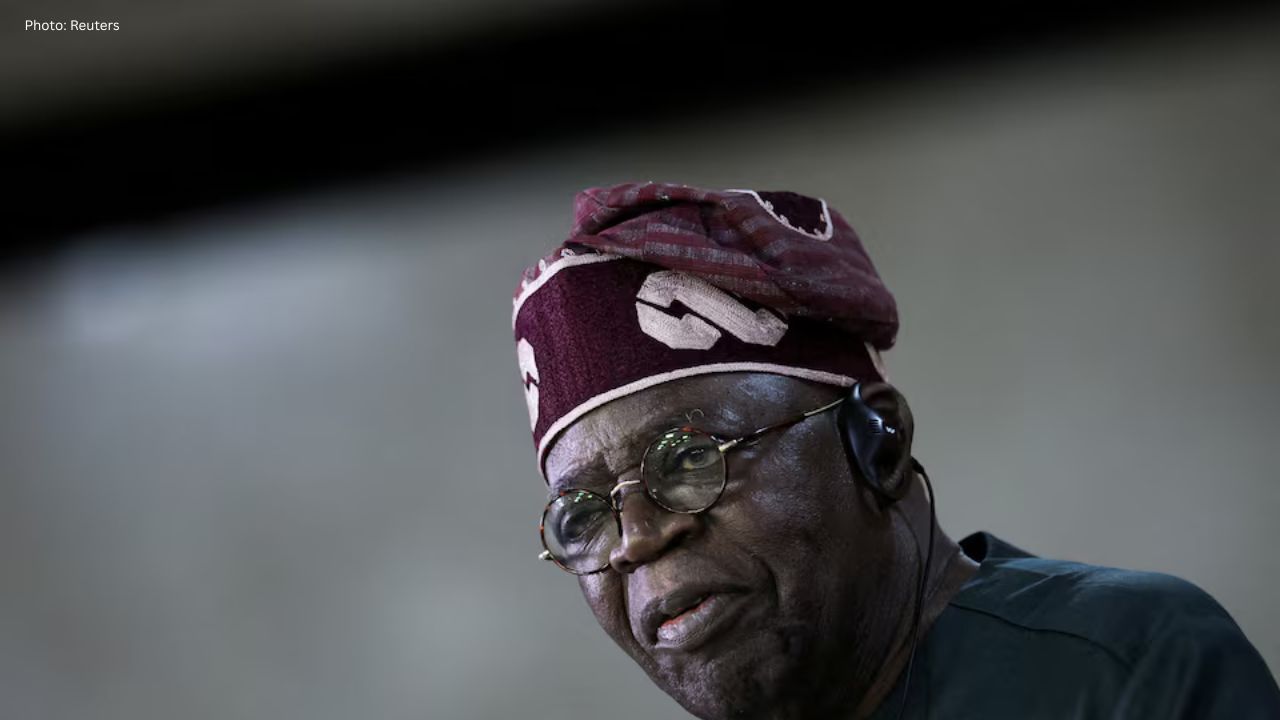
Nigeria is currently experiencing a severe crisis as violent incidents escalate across the nation. This week, President Bola Tinubu officially declared a nationwide security emergency and introduced several urgent measures aimed at safeguarding the populace. His address, aired nationwide, emphasized the critical and intolerable nature of the situation.
In an effort to bolster the nation's security, President Tinubu announced plans to recruit 20,000 new police officers, raising the total number of police personnel to 50,000. He underscored that this enhancement is vital to counter the increasing menace posed by armed groups. Furthermore, he indicated that National Youth Service Corps camps will serve as training grounds for these newcomers, expediting their integration into active duty. Tinubu also mandated that numerous officers currently engaged in protecting VIPs be reassigned to conflict zones where they are most urgently needed. Prior to their new assignments, they will undergo swift yet effective retraining to equip them for high-risk challenges.
The president has also sanctioned the Department of State Services (DSS) to deploy trained forest guards, tasked with penetrating deep forest areas that serve as hideouts for various armed factions. He instructed the DSS to increase its personnel to ensure comprehensive coverage of these regions. In his speech, he issued a stern warning to criminal organizations, declaring that they would no longer have safe havens, stating, “There will be no more hiding places for agents of evil.”
This significant announcement follows a wave of fatal attacks across several states, including Kebbi, Borno, Zamfara, Niger, Yobe, and Kwara, which led to numerous casualties and kidnappings. The escalation of violence has instigated widespread fear and anger among the populace, with many feeling unsafe even within their own homes.
Despite the daunting circumstances, Tinubu commended the security forces for their recent successful operations, highlighting the rescue of 24 schoolgirls in Kebbi and the release of 38 worshippers in Kwara. He assured that the government would spare no effort in securing the safe return of all remaining hostages, including students abducted in Niger state.
Additionally, Tinubu urged the Nigerian parliament to reconsider the nation’s security legislation. He recommended that lawmakers evaluate the possibility of permitting individual states to form their own police forces, a demand echoed by various leaders over the years who argue that localized security can more swiftly address crime. He also encouraged religious institutions to remain vigilant and seek security assistance during gatherings, particularly as places of worship have increasingly become targets of attacks.
Another pressing topic the president addressed was the ongoing strife between farmers and herders. He encouraged herder groups to adopt modern ranching practices instead of traditional open grazing and urged them to relinquish illegal firearms to authorities. He emphasized that these measures are crucial for mitigating conflicts and preventing further loss of life.
In his address to the nation, Tinubu expressed his condolences to families mourning their loved ones and honored the courage of Nigeria’s military personnel, including Brigadier-General Musa Uba, who recently lost his life in service. The president declared that Nigeria’s resilience should not be mistaken for weakness, warning that any threats to the nation would meet with robust opposition.
This declaration of a security emergency represents one of President Tinubu's most significant actions since assuming office. While many Nigerians are hopeful that these measures will yield positive change, others contend that enhanced community engagement and economic stability are also critical to curtailing crime. The upcoming months will reveal whether these new strategies can successfully restore peace and security within the nation.