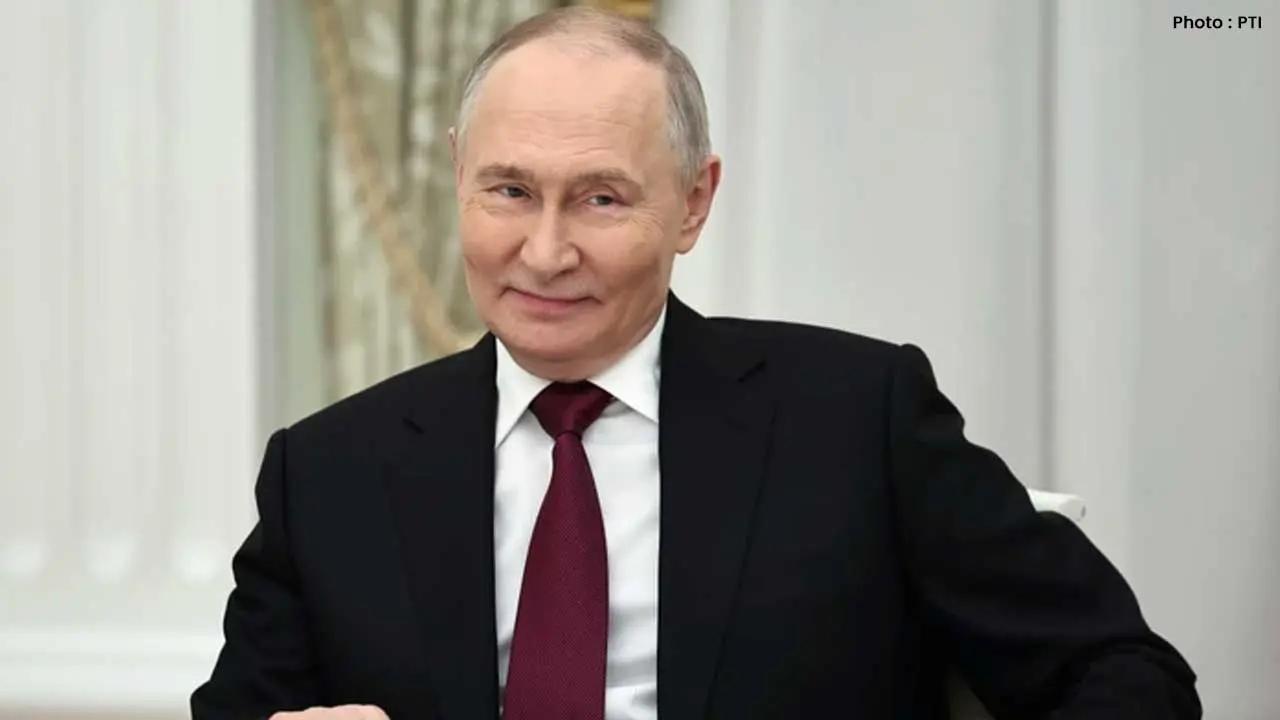
Russian President Vladimir Putin embarks on a significant visit to India, his first in four years, amid increasing U.S. calls for New Delhi to limit energy purchases from Russia. Accompanied by key leaders from major Russian firms, including Sberbank, Putin’s trip signals a commitment to strengthen economic ties.
Sberbank, Russia's leading financial institution, is keen on expanding industrial imports from India while facilitating labor migration to Russia. Alexander Vedyakhin, the bank's First Deputy CEO, emphasized the importance of exploring India's rapidly growing sectors such as machine manufacturing, pharmaceuticals, and information technology. He highlighted that Indian goods can be acquired through rupee payments sourced from India’s significant energy imports from Russia.
The current value of bilateral trade stands at approximately $70 billion, though it is skewed heavily in favor of Russian imports, particularly crude oil. On the other hand, Indian exports to Russia are comparatively limited, creating hurdles for transactions in national currencies. Vedyakhin mentioned that Sberbank currently supports over 6,000 Indian companies new to the Russian market, assisting them in navigating direct export processes.
Historically, India exported items like tea and textiles to the Soviet Union. Today, Russia aims to rekindle that relationship and further diversify imports by leveraging India's capabilities in technology and manufacturing. Vedyakhin also noted that Sberbank is steering Russian enterprises towards Indian industries that provide cost-effective alternatives.
Both nations aim to elevate their trade to $100 billion. Recent developments show progress, including the establishment of a Russian central bank office in Mumbai, facilitating financial operations. Vedyakhin confirmed that a majority of payments to Indian firms are now being made in national currencies, especially rupees, and that U.S. pressure hasn’t hindered the bank's operations, with rupee-rouble transactions remaining stable. Notably, rupee accounts at Sberbank's Indian branch have seen a 3.5-fold increase this year.
Sberbank maintains offices in New Delhi and Mumbai, in addition to an IT hub in Bengaluru. To ease cross-border trade, the bank has initiated swift transaction systems for Indian goods through deferred payment options.
Labour migration represents another critical cooperation area, as Russia faces a worker deficit projected at around 3 million by 2030. Vedyakhin pointed out that there is a substantial need for skilled Indian labor in several sectors, and Sberbank is supporting efforts to bring these workers to Russia.
This visit by President Putin is poised to fortify the historical connections between New Delhi and Moscow, which have benefitted from decades of political and economic collaboration. In light of changing global alliances, both nations are advancing new collaborative prospects across various domains, including energy, trade, finance, and workforce development.
During these discussions, India and Russia are set to focus on enhancing local-currency transactions, accelerating industrial collaboration, and fostering labor mobility, all essential for a sustainable partnership moving forward.