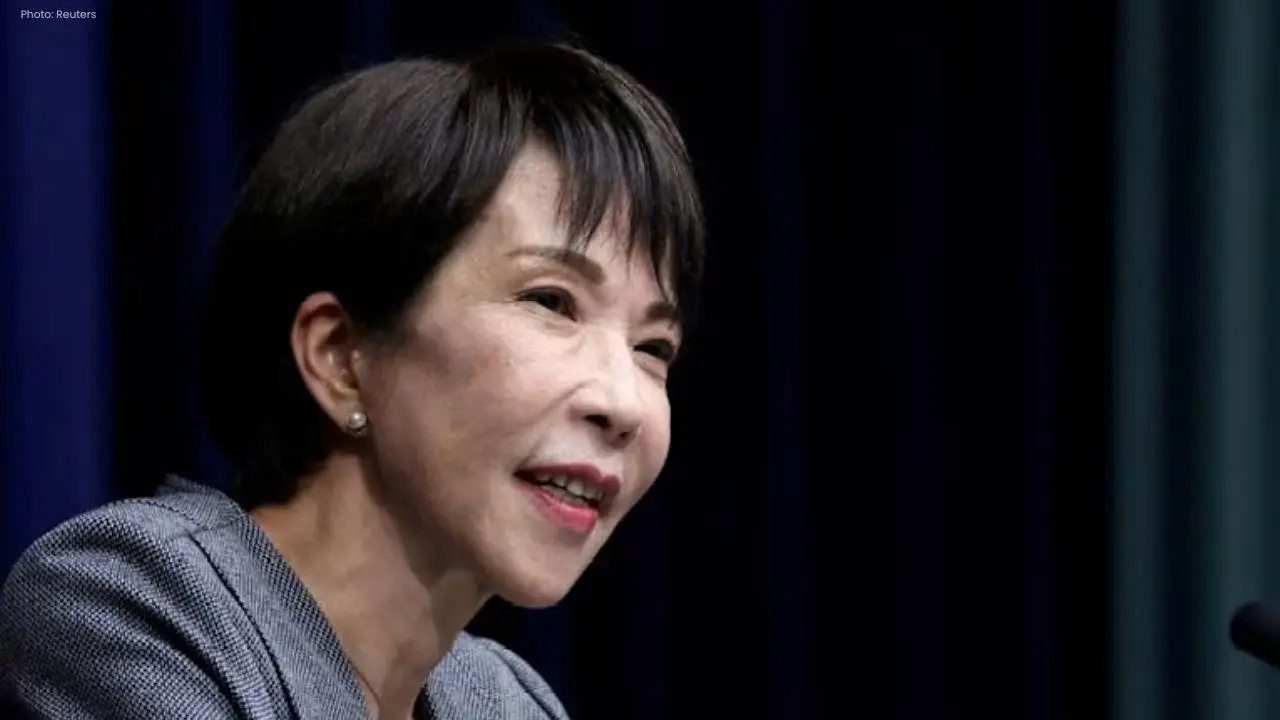
Sanae Takaichi, Japan's Prime Minister, is contemplating a pivotal policy adjustment to pause the sales tax on food as part of her electoral strategy ahead of next month's general election. Insider reports suggest that Takaichi's Liberal Democratic Party (LDP) is assessing the potential implications on the market before arriving at a conclusive decision.
Currently, food sales are subject to an 8 percent consumption tax, which plays a crucial role in government finances. Halting this tax may result in a financial setback estimated at about 5 trillion yen annually (approximately US$31.6 billion), making this proposal a significant fiscal undertaking, though officials have yet to comment publicly.
Takaichi is anticipated to officially disband the Japanese parliament this Friday, setting the stage for a snap election that may occur on February 8, as confirmed by two LDP lawmakers. This early election call appears to be Takaichi's effort to gain public endorsement for her expenditure plans, which have raised concerns in financial circles due to potential economic repercussions.
Last October, the Liberal Democratic Party teamed up with the right-leaning Japan Innovation Party, known as Ishin, forming a coalition government. This partnership has enabled Takaichi to become the first female prime minister in Japan's history, a landmark achievement in its political arena.
In their coalition framework, the LDP and Ishin have reportedly signaled the potential for new laws to exempt food and beverages from the consumption tax for up to two years. However, the specifics on how this exemption would be rolled out or its wider economic effects are yet to be unveiled.
The prospective halt on the food sales tax is seen as a strategic maneuver to ease financial pressure on consumers given the rising cost of living, while also attempting to stabilize the market in light of the forthcoming election. The administration's final resolution will likely weigh the necessity for economic relief against concerns of significant revenue declines and fiscal prudence.
As the election date draws near, all attention will focus on Prime Minister Takaichi and her team as they navigate this complex economic scenario and evaluate whether the tax suspension plan resonates with both voters and lawmakers.